
16 July 2024
Huge amount of practice adoption required over next 10 years
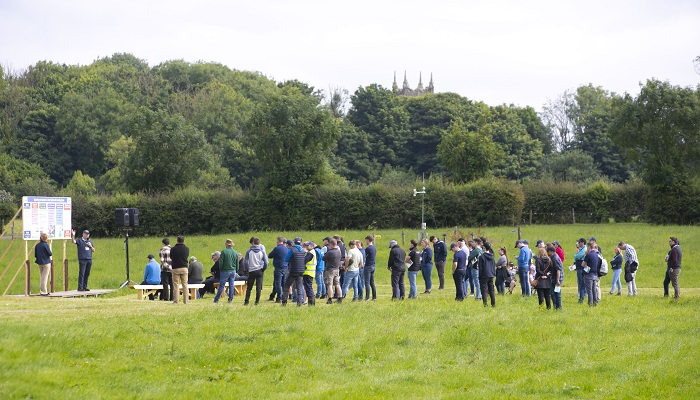
The key technologies necessary to build resilient and sustainable farming systems were shared with visitors to Teagasc Johnstown Castle today, July 16, as part of the Farming for a Better Future Open Day.
Speaking from one of the main boards at the event, Head of Environment Knowledge Transfer at Teagasc, Pat Murphy said: “Over the next 10 years, there’s a huge amount of practice adoption that’s going to be required by all farmers to get to where we need to be.
“We need to have an industry that’s able to function within and meet its environmental criteria, but also to deliver an income for farming.
“We also want to be recognised as the most sustainable agricultural production system in the world and I think that’s where we can be if we all work together for it. But it is going to take a lot of different actions.”
Unlike industry where one or two actions, such as reducing plastic usage or energy consumption reductions, can be implemented, the actions required by farmers are varied; not only as result of the different farming systems in play, but also the challenges arising in different subsects of the agriculture sector.
On this Pat Murphy said: “In farming, there are 50-70 different issues that we are going to have to take on board. One of the key things is looking at your situation and what are your prioritises.
“There are a number of things in setting those priorities that you need to take on board, such elements could include water quality, greenhouse gas emissions or statutory requirements.”
The starting point for taking actions on farm in terms of climate change, water quality improvements or preventing biodiversity loss, he explained, is ensuring your farm is compliant with the statutory regulations.
“One of the key issues you would start with is meeting those statutory requirements, and what you need to do to do that. That’s going to get more and more difficult and we are going to get more and more inspections in relation to that,” he added.
Additionally, he advised farmers to identify the area or action that is going to have the biggest impact or make the most difference on their farms.
“Look at the actions that are going to make the most difference that won’t cost a whole pile to do and some of the things we’re taking about will actually improve profitability. They should be no brainers, they should be the things that we move with.”
Along with actions for greenhouse gases and water quality, Murphy added: “One of the key things we really need to do within our farms is to try and make more space available for nature and improve the quality of that space for nature so that it supports the biodiversity that we all need.”
Pat Murphy also touched on the supports available to farmers to bring about change. Such elements include environmental schemes, participation in EIPs – such as the Farming for Water EIP, engaging with your local advisor, consultant or Signpost Advisor, or engaging with the Teagasc Better Farming for Water Campaign.
“There’s a lot of dedicated advisors to water quality and greenhouse gases, but your Teagasc advisor, your private consultant, they’re all increasingly working in this space and are willing to work with you to try and meet your objectives,” he concluded.
Available and future technologies for farmers to help them build a resilient and sustainable farming system were shared at the Farming for a Better Future, Teagasc Johnstown Castle Open Day. More information on the event is available here.