
17 February 2023
Native woodland and water quality
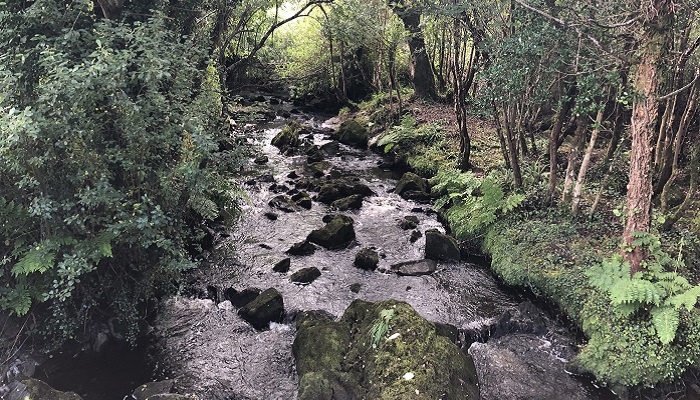
Ireland’s native woodlands have evolved with our watercourses since before the ice age. Róisín McManus and Michael Somers, Teagasc Nenagh, discuss how the re-emergence of these native woodlands will benefit water quality.
Our townlands illustrate this close relationship between native woodlands and watercourses, whereby 14,000 out of 16,000 townlands names refer to water or trees. Today, native woodlands only account for 1% of land cover. New native forests are slowly reappearing in the landscape where their ancestors grew. Our waterways, in particular, will benefit from this native woodland re-emergence.
Today, native woodlands play a crucial role in maintaining water quality. Trees and other vegetation in these woodlands act as natural filters, absorbing pollutants and contaminants from the water that runs through them. Trees’ roots also help stabilize the soil, preventing erosion and sediment from entering streams and rivers. Additionally, the shade the trees provide helps cool the water, creating a more suitable habitat for fish and other aquatic life.
A critical way that native woodlands improve water quality is through nutrient uptake. Trees and other vegetation in these woodlands absorb excess nutrients such as nitrogen and phosphorus, which can cause algal blooms and other water quality issues when present in high concentrations. These nutrients are then stored in the trees and other vegetation, reducing their availability to cause problems in the water.
Another way native woodlands help improve water quality is by reducing the amount of runoff that enters streams and rivers. Trees and other vegetation in these woodlands can absorb large amounts of water, reducing the amount that runs into nearby waterways. These woodlands help prevent erosion and sedimentation and reduce the pollutants and contaminants carried into the water by runoff.
Native woodlands also provide essential aquatic life habitats, including fish, amphibians, and insects. The shade the trees provide helps keep the water cool and provides a suitable environment for these organisms to thrive. Additionally, native vegetation along the shoreline can provide important spawning and feeding habitats for fish.
As we move into the era of environmentally-based agriculture, native woodlands are a vital tool to help absorb pollutants and contaminants, stabilize soil, and provide shade and habitat for aquatic life. New native woodland and woodlands established to protect water are essential to preserve and restore the health of our waterways for future generations.