
03 February 2023
The many options for planting trees – from gardens to fields and forests
From producing timber, capturing carbon, providing shelter, improving water quality to providing habitats etc; we can all list the many benefits of trees and forests.
We know we need more trees but where can they be planted? Landowners; big and small have a responsibility to consider tree planting.
Finding a space to plant a tree
If you are lucky enough to have the space to plant a tree in your garden or field; why not? ; planting a tree is easy! We can all make impulse purchases in a garden centre but it’s usually better to have an idea what type of tree you want before you set out to purchase one. Always take into account;
- general site conditions;
- is the site dry/wet, exposed/sheltered, in shade/full sun etc.
- how much room do you have?
- roots sometimes travel a lot further than their crown extends
- is there a limit to the height?
- are you looking for all year colour with an evergreen tree or maybe spring blossoms or autumn colour?
- consider why you are planting the tree
- is it for shade/shelter or maybe colour/height?
- think about adding biodiversity/habitats to your garden. A native, fruiting tree will attract insects, birds and animals.
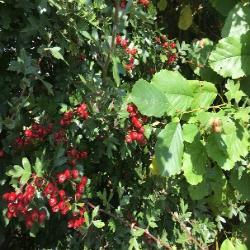
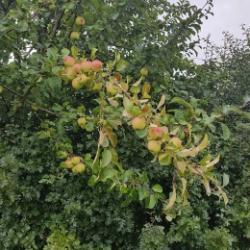
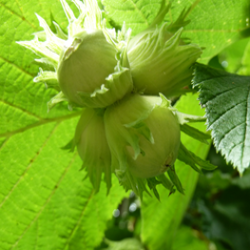
Hawthorn, Crab apple, hazel, rowan and holly are all native and relatively small and all are great for increasing biodiversity.
Planting trees in field corners, in hedges or individual parkland trees
Trees planted away from your garden have some different requirements but as above it’s better to first think about the specific planting site and being clear what your own objectives for planting are. The following should be considered;
- Be aware of the site and surrounding landscape
- choose tree species that will fit into landscape; ornamental trees usually don’t suit outside the garden. Trees local to the area will probably grow best too.
- consider points above re size, height, objectives etc.
- will you be planting trees as part of a scheme eg planning for tree planting in ACRES?; make sure you understand requirements for scheme; native trees, spacing, numbers required, when you need to plant them and how will you ensure that they will establish well.
- protecting trees from browsing animals is crucial. Depending on numbers; individual tree guards or fencing around a group of trees are options.
- bare root trees (available in dormant season) are best value, but will require greater protection from browsing and competition from vegetation. Larger trees make a bigger impact quicker but can die if allowed to dry out.
Planting a woodland/forest
When planting an area of trees to create a new woodland/forest especially large areas; good planning and thought is very important. Unlike many other farming enterprises; decisions around the planting of trees last for many years; stretching into the next generation! For areas over 0.1ha there may be grant support under the New Forestry Programme. This Programme with 12 forest types listed; proposes to fund the costs associated with planting and maintaining the forest in the first 4 years and also provide an annual income to the owner in the form of an annual premium (20 years for farmers and 15 years to non-farmers). It is so important for anyone considering establishing a new forest to consider how to maximise the benefits of your forest and meet your personal objectives.
Here are some things to consider during the planning stage.
- Do you understand the basics of what is involved? –environmental requirements, the time scales involved and the basic differences between forest and tree types.
- Is it possible to plant a combination of forest types that will meet multiple objectives?
- Consider future access to the forest; where an entrance should be and internal roadways.
- What will the forest look like when trees grow to mature height?- mixing species and avoiding sharp lines along external boundaries will look much better on the landscape.
- How can you maximise biodiversity in your forest using different tree species, sustainable management and clever forest design.
Teagasc would recommend that you attend forest walks, events and meetings to build up a basic understanding of what is involved in successfully establishing a forest. There is no substitute to getting out into a forest and hearing at first hand from forest owners, and gaining a better understanding of the process.
Teagasc have a busy calendar of events planned for 2023. These are open to all to attend. See https://www.teagasc.ie/crops/forestry/events for details.
The Teagasc Forestry enewsletter is another great way to hear about forestry schemes, events and advice. See www.teagasc.ie/forestrynews to subscribe.