
14 April 2025
Growing Futures: The Expanding Role of Horticultural Education in Ireland
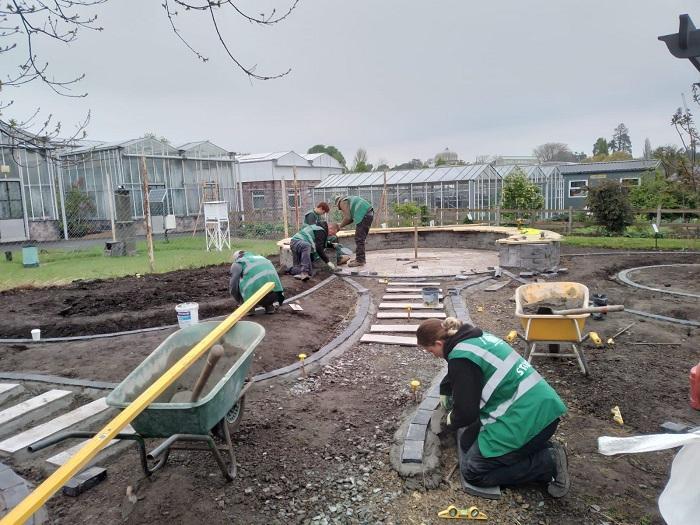
As Ireland continues to embrace sustainability, climate resilience, and food security, horticulture is stepping into the spotlight, not just as a vibrant sector of the economy, but as a vital force in shaping our environmental future. John Mulhern, College Principal, tells us more.
With this shift, the demand for skilled professionals in horticulture is on the rise, and education is playing a central role.
Why Horticulture?
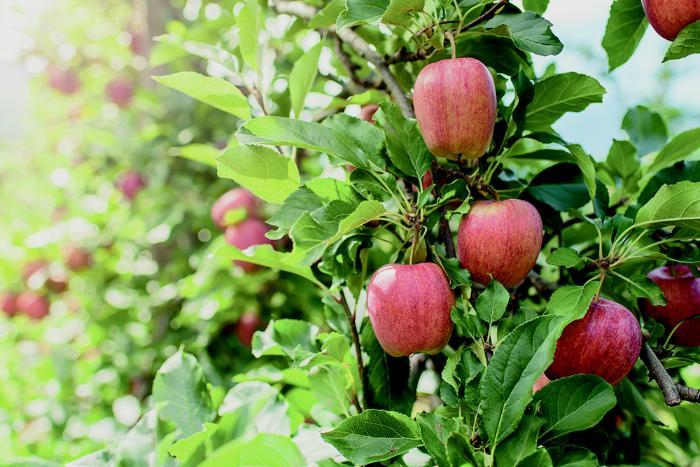
Horticulture spans a diverse array of disciplines: food production, ornamental and amenity horticulture, nursery stock, landscape design, turfgrass management, and protected cropping, to name a few. It contributes over €500 million to the Irish economy annually, supports thousands of jobs, and underpins national priorities such as biodiversity enhancement, urban greening, and local food systems.
Education That Grows with the Industry
Teagasc has been at the forefront of horticultural education for decades, delivering programmes that combine hands-on training with scientific and technical knowledge. From the College of Amenity Horticulture at the National Botanic Gardens to the Teagasc Horticulture College in Kildalton, students can choose from QQI-accredited full-time, part-time, and blended learning options.
Whether it’s a Level 5 Certificate in Horticulture to gain entry into the sector, a Level 6 Advanced Certificate for specialisation, the new apprenticeships in Horticulture and Sportsturf or progression pathways to higher education, there’s never been a broader range of opportunities.
Adapting to New Challenges
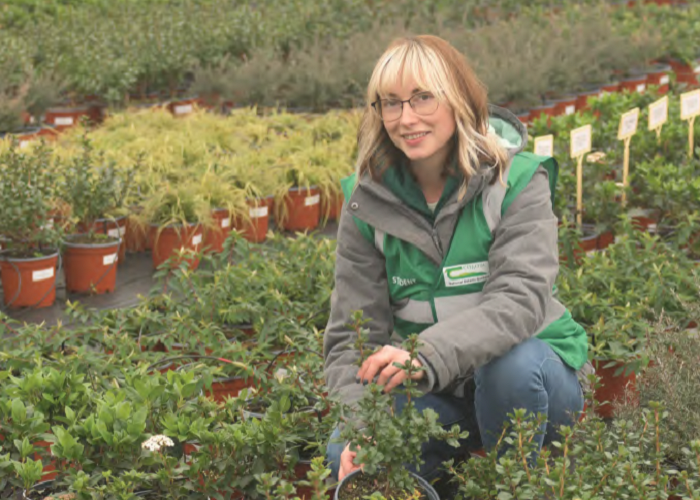
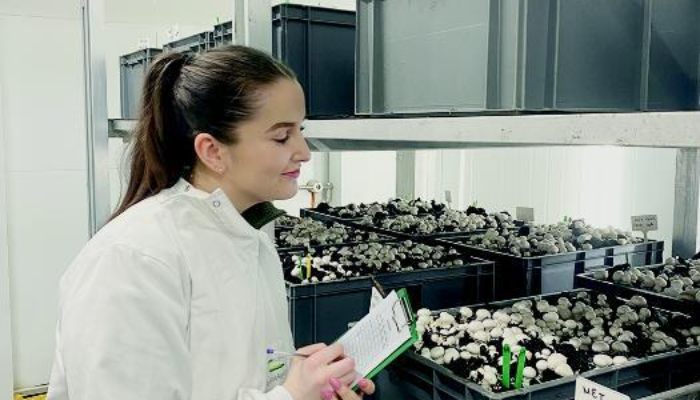
Horticulture today is about more than growing plants, it’s about growing solutions. Students are learning to apply smart technologies like precision irrigation, soil sensors, and integrated pest management. Sustainability is no longer a buzzword but a foundational part of the curriculum.
With climate change and urbanisation shaping how and where we grow, education is adapting rapidly. Modules now integrate climate-smart practices, circular economy principles, and enterprise development, preparing graduates for a sector that is both technologically advanced and deeply rooted in ecological stewardship.
Careers in Bloom
Graduates of horticulture programmes go on to work in landscape design, commercial food production, parks and gardens management, sports turf, research, and more. Others start their own businesses, supported by Teagasc advisory services and the growing appetite for local, traceable, high-quality produce.
With the government’s focus on expanding the horticulture sector through Food Vision 2030, and the National Strategy for Horticulture 2023–2027, the future is bright for those entering the field.
How to Get Involved
Now is the ideal time to explore a career in horticulture. Teagasc is accepting applications for its 2025 courses, with open days, online info sessions, and plenty of support for prospective learners of all ages and backgrounds.
Find out more about the horticulture courses on offer, or contact the Colleges in the Botanics and Kildalton.