
25 June 2023
Beautiful plants which thrive in acid soils
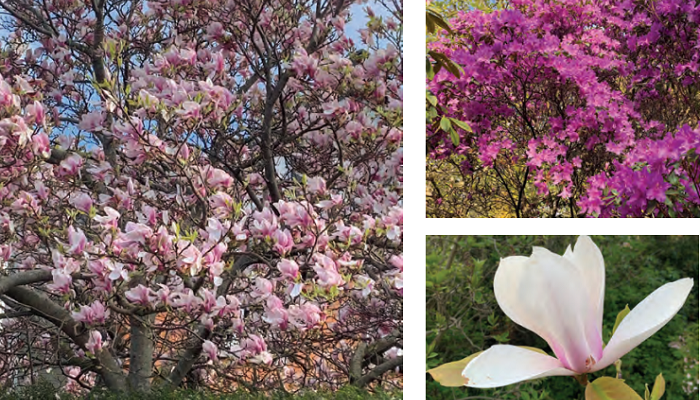
One of the great beauties of the late-spring garden is the abundance of acid soil loving plants doing their thing. Chris Heavey, Lecturer at the Teagasc College in the National Botanic Gardens, has many favourites and first among them is Magnolia, which comes in evergreen and deciduous species.
The glorious white, candle-shaped flowers of Magnolia x soulangeana appear in February and continue until April. There is a purple cross called ‘Susan’, which doesn’t grow as tall as Magnolia x soulangeana.
Some of the larger types include Magnolia campbellii, which has a reputation for only flowering after 30 years or so; but remember a gardener should never be selfish, plant for future generations. Some of the best specimens I have encountered on my travels in Ireland are in suburban Dublin, where the soil would be considered unsuitable. Magnolia do best in acid soil, but possibly due to the stress of growing on an alkaline soil in Dublin, they flower brilliantly every year.
The evergreen Magnolia grandiflora, with its massive creamy white, highly-scented flowers throughout the later summer into autumn, is well worth growing. It too flowers and survives well in alkaline soils. Try a variety called ‘Exmouth’, named after the famous gardens of the de Rothschild banking family in England and a major influence on one of Ireland’s great 20th century garden creations, Mount Congreve in Co. Waterford.
Rhododendron
The most well-known gardens that Ireland has to offer present best during the Rhododendron season, which runs from February through to early June. Whereas the magnolia will perform well for us in alkaline soil, rhododendrons will not. These plants must have access to acid/ericaceous soils. The range available is tremendous and allows for the use of these plants in the biggest and the smallest of spaces.
Large plants of the Highclere rhododendron, R. ‘Alta-clerense’, line the broad walk of Kilmacurragh Botanic Gardens in Co. Wicklow from March to May and deliver a strong impact with their height and abundance of cerise pink flowers. There are beautifully scented rhododendrons, examples such as Rhododendron Fragrantissimum (white), R. luteum (yellow) and R. Lady Alice (a little tender) are all scented and add to the enjoyment we can derive from the species.
If you only have a small space available, you can use varieties once known as azaleas, such as R. ‘Blue Tit’ – an evergreen shrub not getting to any more than a metre in height and covered with dark blue flowers in spring. R. impeditum is very similar and R. mucronatum is a lovely hardy white-flowered alternative. R. pemakoense or R. racemosum are pink, really small in stature and suitable for a tub or rockery area.
If you find you have alkaline soil and really wish to have rhododendron and azalea, you will need to prepare beds by digging out the soil to a depth of 45cm and lining them with thick plastic around the sides but not the bottom. This will reduce the leaching of lime from surrounding soil. Fill with ericaceous compost mixed with soil and give them plenty of rain water in their first season. While they are not year round, the enjoyment we gardeners can gain from these beautiful plants for their season is immense and well worth the effort in cultivating them.
This article first appeared in the May/June edition of Today’s Farm.
Photo caption: Top right – Rhododendron concinum; left and bottom right – Magnolia x soulangeana.