
27 March 2025
Origins of Producer Organisations in Ireland
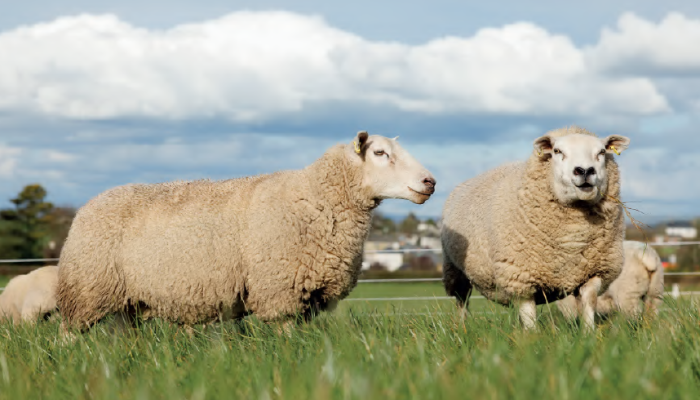
The origins of Producer Organisations (POs) in Ireland can be traced back to the Irish co-operative movement, led by Sir Horace Plunkett in the late 19th century. Elaine Leavy, Teagasc Organic Specialist, tells us more.
POs have evolved from traditional cooperative movements to more formalised EU-recognised structures. These organisations are legally recognised entities formed by groups of farmers and producers who collaborate to improve market access, share resources, and enhance efficiency. These formal EU-recognised POs are still developing in Ireland.
Role of POs in the Organic Sector
The organic production sector in Ireland has witnessed significant growth in recent years, driven by increasing consumer demand for organic products, government incentives, and a rising awareness of sustainable agricultural practices. POs can capitalise on several key opportunities within the sector to enhance profitability, sustainability, and market reach. Producer Organisations (POs) could play a crucial role in the organic sector by supporting farmers and growers in areas such as market access, collective bargaining, knowledge sharing and supply chain efficiency.
They could contribute in the following ways:
Better Market Opportunities
One of the major challenges for individual organic farmers is accessing larger markets due to scale limitations. Organic farmers can sell more effectively by working together. POs help members to pool their resources, aggregate their produce, and supply larger markets and build direct relationships.
Stronger Negotiating Power
By working collectively, farmers can secure better prices and fairer contracts, reducing reliance on intermediaries and enhancing overall profitability.
Sharing Knowledge and Support
POs can provide training, advice, and resources on organic certification, sustainable farming techniques, and best practices, helping farmers improve efficiency and meet industry standards.
Supply Chain Efficiency
POs can help farmers streamline their operations by coordinating storage, transport, and processing. This reduces waste, lowers costs, and ensures a steady supply of produce to meet market demand. By working together, farmers can deliver products more reliably and efficiently.
What’s required for POS to develop in the Organic Sector
Enough Farmers Willing to Work Together
A PO needs a strong group of organic farmers committed to collaborating on production, marketing, and sales.
Reliable Market Demand
There must be strong and growing demand for organic produce from supermarkets, restaurants, processors, and direct-to-consumer channels.
Good Leadership and Organisation
A PO needs clear leadership, professional management, and a structure that ensures fair decision-making and benefits for all members.
Processing, Transporting, Storage & Distribution Solutions
Facilities for washing, packing, storing, collecting and transporting organic produce must be available to maintain quality and meet buyer expectations.
Access to Funding and Grants
Support from DAFM, EU schemes, and other funding sources can help with start-up costs, infrastructure, and marketing efforts.
Clear Rules and Fair Pricing
Agreements on pricing, sales strategies, and profit-sharing must be in place to ensure fairness and trust among members.
Overall, POs can strengthen the organic sector in Ireland by making it more competitive and resilient. To set up a Producer Organisation (PO) in Ireland’s organic sector, farmers need to work together, identify market opportunities, secure funding, establish a legal structure, organise logistics and promote their products.