
25 July 2024
The hidden dangers of working outdoors
As ‘the great outdoors – the hidden dangers of working outdoors’ is one of the themes being highlighted over Farm Safety Week, Francis Bligh, Teagasc Health and Safety Specialist, tells us of the many types of hazards farmers are exposed to.
The outdoor hazards depends on the type of work, season, and duration of time spent outside. Farmers must think about their workplace hazards, including carrying out hazard identification and identifying ways to prevent and control exposure to hazards.
Weather
Weather hazards may include working on very hot or cold days, exposure to sun, high wind or electrical storms.
Heat and cold
Extreme heat can cause heat stroke, heat exhaustion, heat rash, and other problems with cold bringing increased risk of falls due to icy conditions.
Sun
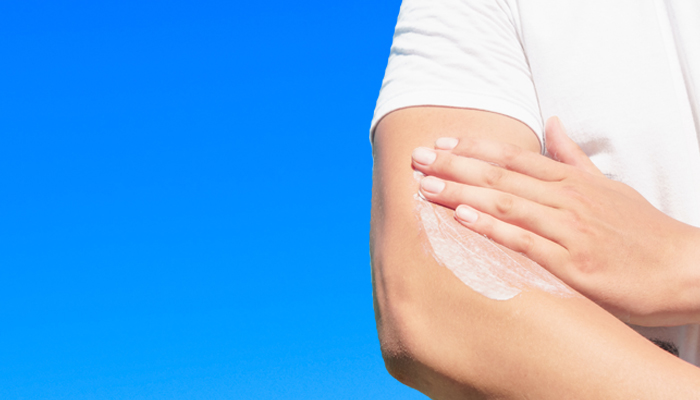
Exposure to sun can have a long-term negative effect on the skin. Be sun smart, wear sunscreen, especially between April and September, even when it is cloudy.
Follow the SunSmart 5S rule: slip, slop, slap, seek and slide
- Slip on clothes that cover your skin, such as long sleeves and t-shirts with a collar.
- Slop on broad-spectrum (UVA/UVB) water-resistant sunscreen. Apply it on skin that is not covered, using factor 30+ for adults, 50+ for children. Reapply every two hours or more often if sweating, swimming or towel drying.
- Slap on a wide-brimmed hat to protect your face, ears and neck.
- Seek shade, especially if outdoors between 11am and 3pm, and always use a sunshade on a child’s buggy. Keep babies and children out of direct sunlight.
- Slide on wraparound sunglasses with UV protection to protect your eyes.
More information on SunSmart is available here.
High wind and gusts
- Stay inside. The best way to avoid exposure to hazards associated with high winds and storms is to stay inside until they pass. Do not give in to the temptation of going outside during these storms.
- Maintenance and preparation. Take time to keep buildings well maintained and keep all items of equipment liable to move secure. Have an electrician check electrical circuits regularly and ensure surge protection is in place. Trim dangerous branches on trees and hedges and get diseased or damaged trees removed.
- Keep an eye on the weather. Met Éireann is a great resource to help keep an eye on predicted weather and make a plan.
Manual handling
About a third of all reported injuries are due to poor manual handling. Most manual handling accidents result in back injury. Lifting heavy loads on a continuous basis results in arthritis of joints, particularly hip and knee joints. Damage is also caused to tendons, ligaments and muscles.
- Try to develop ways of minimising the need to carry out manual handling tasks.
- Use wheels on long gates, loaders, winches, and equipment.
- Change work practice (use alternative hands when milking on left or right).
Dust and Spores
- Dust spores and vapours can cause severe illness. Long-term effects include: asthma; chronic bronchitis; shortness of breath; weight loss; and farmer’s lung.
- Reduce mould by appropriate conservation and storage.
- Improve ventilation.
- Always wear the proper PPE, for example masks to correct specification.
Zoonotic Diseases
A range of serious illnesses can be caught from animals and contaminated material, bacteria, viruses and fungi. Contact with materials contaminated with rat’s urine can cause Weil’s disease, which is potentially fatal. Other examples of infections include: Leptospirosis; Bovine TB; Orf; Lyme Disease; and E Coli.
- Manage the farm in consultation with your vet and advisor to reduce likelihood of disease.
- Practicing good hygiene is essential to prevent contraction and spread of infectious diseases and viruses.
- Keep a well-stocked first aid kit.
Noise
Exposure to noise above 80dB over extended periods causes hearing damage. As a general rule, if the noise is such that it is difficult to hear someone talk in a normal voice, noise levels are at a damaging level.
- Remove/reduce noise by maintenance of machines. (e.g. tight fitting windows on tractor).
- Where noise cannot be eliminated, ear defenders will help to protect from hearing loss.
Fatigue
Fatigue can be a factor in many accidents on the farm. Long working hours particularly at calving, lambing and harvest time increase the risk of fatigue and associated accidents.
- It is important to manage workload. Seek additional help if necessary.
- Get adequate sleep.
- Stay hydrated and take regular breaks.
Other hazards
Farmers working outdoors may encounter other hazards in addition to those described above. They may be exposed to pesticides or chemical hazards, traumatic injury hazards with machinery or livestock, or other safety and health hazards depending on their specific job and tasks.
For more information on the work undertaken in the area of Health and Safety, visit here.