
20 July 2023
Farm Safety Week Focus: Long Term Health
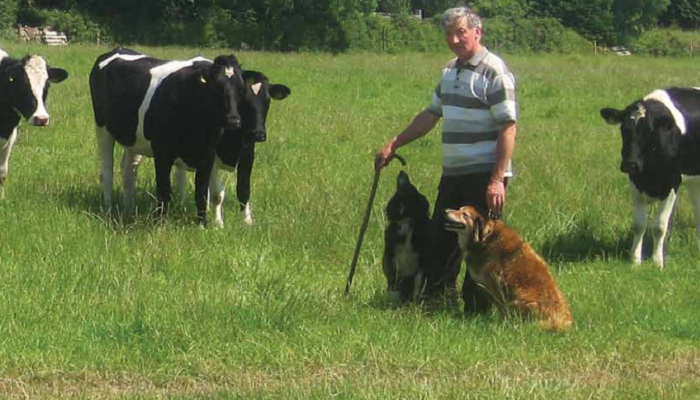
The Farm Safety week focus for Thursday is long term health. Managing your own personal health and safety must be central to good management on the farm.
Manual Handling
About a third of all reported injuries are due to poor manual handling. Most manual handling accidents result in back injury. Lifting heavy loads on a continuous basis results in arthritis of joints, particularly hip and knee joints. Damage is also caused to tendons, ligaments and muscles.
- Try to develop ways of minimising the need to carry out manual handling tasks.
- Use wheels on long gates, loaders, winches, and equipment.
- Change work practice (use alternative hands when milking on left or right).
Dust and Spores
Dust spores and vapours can cause severe illness. Long-term effects include asthma, chronic bronchitis, shortness of breath, weight loss, and farmers lung.
- Reduce mould by appropriate conservation and storage.
- Improve ventilation.
- Always wear the proper PPE, for example masks to correct specification.
Zoonotic Diseases
A range of serious illnesses can be caught from animals and contaminated material, bacteria, viruses and fungi. Contact with materials contaminated with rat’s urine can cause Weil’s disease, which is potentially fatal. Other examples of infections include Leptospirosis, Bovine TB, Orf, Lyme Disease and E Coli.
- Manage the farm in consultation with your vet and advisor to reduce likelihood of disease.
- Practicing good hygiene is essential to prevent contraction and spread of infectious diseases and viruses.
Noise
Exposure to noise above 80dB over extended periods causes hearing damage. As a general rule if the noise is such that it is difficult to hear someone talk in a normal voice, noise levels are at a damaging level.
- Remove/reduce noise by maintenance of machines. (e.g. Tight fitting windows on tractor).
- Where noise cannot be eliminated ear defenders will help to protect from hearing loss.
Fatigue
Fatigue can be a factor in many accidents on the farm. Long working hours particularly at calving, lambing and harvest time increase the risk of fatigue and associated accidents.
- It is important to manage workload. Seek additional help if necessary.
- Get adequate sleep.
- Stay hydrated and take regular breaks.
Sun Smart
Exposure to sun can have a long-term negative effect on the skin. Be sun smart, wear sunscreen, especially between April and September, even when it is cloudy. Wear long trousers, long sleeve shirts and a broad brimmed hat to protect yourself from the sun.
Take time out for yourself
Keeping a focus on positive mental and physical health and wellbeing is very important. A major Irish study has found that 74% of male farmers have four, or more, risk factors for cardiovascular disease. This means they are three times more likely to have an acute cardiac event (stroke or heart attack) compared to those with fewer risk factors. 75% of all farmers participating in the research were advised to visit their GP to get further support and advice. Getting a little more exercise, cooking healthy food and spending more time on leisure activities are some of the steps that can have a very positive impact on health and wellbeing. Teagascs publication Staying Fit for Farming provides information on ways to stay healthy.
Download Staying Fit for Farming here.
Positive mental Health
It is important to recognise stress symptoms and take action. Consult your Doctor and share your worries with those you trust. Consult your Agricultural advisor or consultant about farming problems, don’t leave it on the long finger.
Positive Mental Health in Farming has a wide range of information and advice on minding your mental health.
Coping with the Pressures of Farming has been researched and collated to address the many and varied issues that contribute to stress.
Farmer Health and Wellbeing Video