
07 February 2023
Making changes to improve your health
Dr Diana van Doorn, Former Teagasc/ South East Technological University (SETU) Walsh Scholar and Dr John McNamara, Teagasc Health and Safety Specialist give some advice to help you improve your health
A recent ESRI report showed a decline in overall mortality in the Irish working population. However, farmers and agricultural workers were reported to be 2.5 times more likely to die of heart disease than the ‘employers and managers’ occupational group. Teagasc research into farmer health has shown that they are at risk for heart disease based on factors, such as high blood pressure (40%), high cholesterol (46%), high blood sugar levels (23%) and being overweight or obese (86%). Nearly three-quarters of farmers have several risk factors. A recent US study showed that clus- tering of heart disease risk factors is associated with a five times higher risk of a farming injury.
Health gain – the benefits
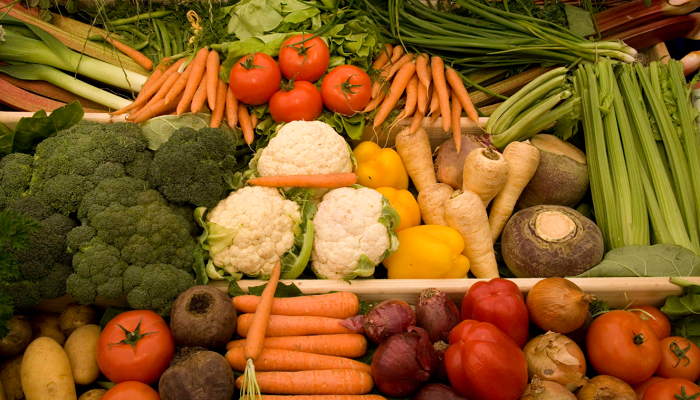
While our research findings on Irish farmers’ health are highly concern- ing, making healthy lifestyle changes, can improve your health and conse- quently reduce health and farming in- jury risks. For example, losing 5-10% of excess body weight lowers your risk of high cholesterol and cancer markers. According to the World Health Or- ganisation, 80% of heart disease and 30%-50% of cancer cases are linked to bad lifestyle habits. These include unhealthy eating, physical inactivity, smoking, excessive alcohol consump- tion and prolonged stress. Being moderately physically active for five days a week for 30 minutes is associated with a 15% reduction in risk for all-cause mortality, reduced mortality from heart disease as well as improved wellbeing. Changing your eating habits can lead to a 10% reduction in heart disease risk and an 8% reduction in all-cause mortality. Eating five or more portions of fruit and vegetables each day has been found to help protect against heart disease.
Changing lifestyle – it can be done Changing your lifestyle is challeng- ing. Studies show that 60-70% of at- tempted changes fail. However, it can be done! Our recent health research programme for farmers (Farmers Have Hearts – Cardiovascular Health Programme) offered farmers support with making lifestyle changes. The findings showed that 81.5% of participants successfully made lifestyle changes and of those farm- ers, 82% reported noticing a positive health change. The programme also found that 41% of the participating farmers had improved their heart disease ‘multiple risk profile’.
Health promotion
A health check is worthwhile at any age, especially where there is a family history of heart disease. For men, a health check is particularly advised from age 45 on and for women from age 55. This is especially important to detect risk factors for heart disease, which tend to show no symptoms such as high blood pressure, referred to as the ‘silent killer’. Use the health check to discuss your intentions to make lifestyle changes and to get medical clearance before doing so.
Food, drink and smoking
In general, try to incorporate more fruit and vegetables in your diet and eat less sugary and fatty foods. Increase your moderate physical activity levels to five days a week for at least 30 minutes – outside of farming. Moderate physical activity is charac- terised by a raised heartbeat during exercise and feeling slightly out of breath. Consume no more than 17 standard drinks of alcohol per week (half a pint of beer or a pub measure (35.5ml) of whiskey equals one stand- ard drink). If you smoke, aim to stop. Consult www2.hse.ie/quit-smoking for assi- tance. Our study showed a 24% reduc- tion in smoking levels after one year.
Managing stress and setting goals Manage your stress by organising your farm work, taking breaks and connecting with others. Ongoing support from professionals, friends or family is a key factor for making suc- cessful lifestyle or wellbeing changes.
Other tips include informing your- self about improving your health and recommended health guidelines, for example by reading health booklets, goal setting with realistic aims and using technology (i.e your phone, smartwatch, pedometer) or a journal to track your physical activity and/or dietary changes (self-monitoring).