
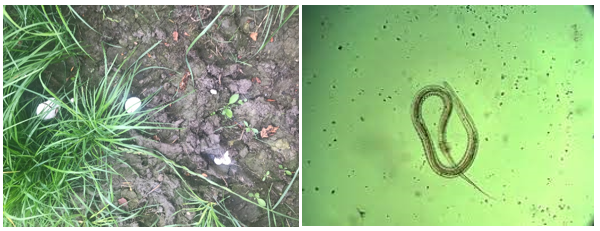
Lungworm infection (Hoose) is one of the most important respiratory diseases affecting cattle in Ireland. It can cause coughing, breathing difficulties, reduced growth, and in severe cases, even death. With our recent dry spell followed by heavy rains, it is the perfect conditions for lungworm, it’s time to be extra alert. Martina Harrington, Future Beef Programme Manager, tells us more.
What is lungworm?
Lungworm (Dictyocaulus viviparus) is a roundworm that lives in the lungs of cattle. It’s similar to the gut worms but completes its life cycle in the lungs. It causes bronchitis or pneumonia, which shows up as coughing and faster breathing in affected animals.
Which animals are at risk?
With exposure animals will develop immunity to lungworm. Therefore, the animals at greatest risk are calves. The aim is to give them enough exposure in their first grazing season to build immunity but not restrict their performance.
Autumn born sucklers and dairy bred calves are most at risk in spring as they are eating a lot of grass but have very little immunity. The risk for spring born claves increased as their grass intake increases.
Note: A dangerous level of infection can happen after only one day of grazing if pasture is heavily infected.
How does lungworm spread?
- Infective larvae on grass are eaten by the animal are eaten
- Larvae pierce the intestinal wall and move into the blood and lymphatic system to get to the lungs.
- In the lungs they leave blood and puncture the lung tissue & grow into worms
- Adults then lay eggs
- The eggs are coughed up and swallowed
- The eggs hatch in the intestine and produce larvae – stage 1
- The larvae is passed in the dung
- In the dung the larvae grow into stage 3
- Stage 3 larvae spreads onto grass and is eaten by animals
The full cycle takes about 24 to 28 days.
What are the signs of lungworm?
- Intermittent coughing, especially after moving animals.
- Persistent coughing and difficulty breathing in moderately affected cattle.
- Severe cases include fast, open-mouth breathing with the head stretched out, harsh deep coughing, and rapid weight loss.
If you see coughing, act quickly – treat the whole group as soon as possible.
Controlling lungworm
Lungworm outbreaks can be unpredictable, so vigilance is key. If you spot coughing in your cattle, treat all animals in the group. Several wormers work well against lungworm:
Product choice
The best product is the one that kills the worms on your farm. Use products that you know work on your farm, based on the tests above. Using an effective product is more important that rotating between all products.
| Wormer Type | Speed of Action | Duration of Protection |
| Benzimidazole (white) | Slow (36 hours) | None |
| Levamisole (yellow) | Fast (3 hours) | None |
| Macrocyclic Lactones | Moderate (~24h) | 4 to 17 weeks (varies by product) |
Watch calves closely after treatment, as heavy infections can cause complications.
Building natural immunity
Use caution with long-acting anthelmintics in the first grazing season, as they may limit lungworm exposure and prevent natural immunity, leaving cattle vulnerable next season.
Minimising anthelmintic resistance
The key to reducing the chance of worms developing resistance to a product on your farm is to minimise their exposure to that product and using the product as per the manufacturer’s instruction. This can be done by reducing the worm burden and following simple protocols at dosing.
Reducing the worm burden
- Use the leader-follower grazing system: graze young stock first, then older animals to reduce pasture contamination.
- Practice mixed grazing with sheep and cattle to reduce overall worm burdens.
- Graze young stock on low-risk pastures like reseeds, silage aftermath, or pastures grazed by other species.
- Monitor animal performance and carry out faecal egg counts from June onwards; treat only when egg counts rise above thresholds.
- After treatment, return animals to their original or previously grazed paddocks; avoid moving them to clean pastures to encourage natural immunity development.
- Conduct Faecal Egg Count Reduction Tests to check wormer effectiveness regularly.
Currently the MARCS Project offers a free Faecal Egg Count Reduction Test to Irish beef farmers, complete the online form or contact marcsparasitology@gmail.com to take part.
Best practice when treating
When dosing, regardless of the product used, ensure to:
- Dose according to the correct weight; underdosing increases the risk of resistance developing.
- Use products that are in date and have been properly stored.
- Calibrate your dosing gun regularly.
- Shake the container well before use.
- Administer the dose as prescribed on the datasheet.
- Newly bought-in animals should be treated and housed before turning out to contaminated pasture.
Remember
- Older cattle usually have natural immunity usually around 18 months.
- Dung sampling is not relevant in the case of lungworm as eggs never reach the dung
- Always consult your vet if you suspect lungworm on your farm.
For more detailed information, see the Animal Health Ireland lungworm leaflet