
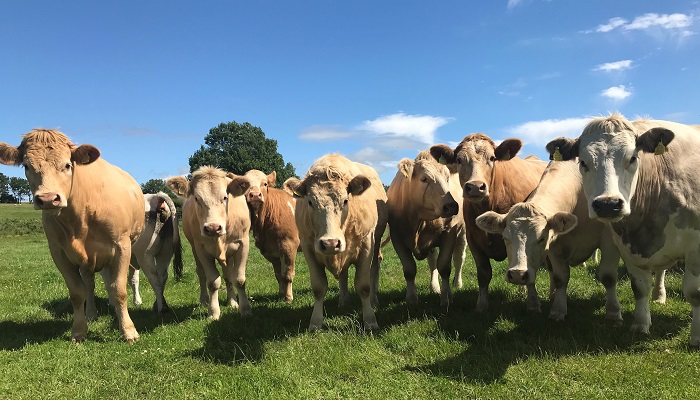
John Kelly, Drystock Advisor, Teagasc Roscommon, tells us to listen carefully for signs of lungworm to protect your cattle’s health.
This summer has proven challenging for many farms. An unusually dry spell in May placed many farms in a drought situation prior to the recent rainfall. For many, this rain has been a godsend, replenishing grass supplies — but it will also bring its own challenges in the coming weeks.
Lungworm, a parasitic infection causing respiratory illness in cattle and most commonly known as “hoose”, can lead to a husky cough, especially after cattle have been running. Common symptoms include breathlessness, weight loss, and in severe cases, drooping ears with the head and neck outstretched. If this occurs, veterinary assistance is required as it may have progressed to pneumonia. In dairy cows, a sudden drop in milk yield may also indicate the presence of lungworm.
It mainly affects young cattle aged from calves up to two years, but can also occur in adult cattle that have not developed natural immunity as calves due to over-dosing. A prolonged period of dry weather followed by rain provides prime conditions for a mass hatch of worms. Faecal egg sampling is not effective in diagnosing lungworm, as it only detects the adult stages, by which time significant lung damage may have already occurred.
It is important to treat as soon as cattle begin coughing, using a white benzimidazole, yellow levamisole, or clear ivermectin-based product. Rotation of these products is best practice to avoid resistance developing on the farm. Care should be taken when using clear ivermectin products, as they can be so effective at killing the worms that the animal may struggle to cough up the dead worms. This can result in pneumonia due to blocked airways.
If you are concerned that lungworm could be an issue in your cattle, please consult your vet to discuss treatment options, and remember to listen out for that husky cough when herding.