
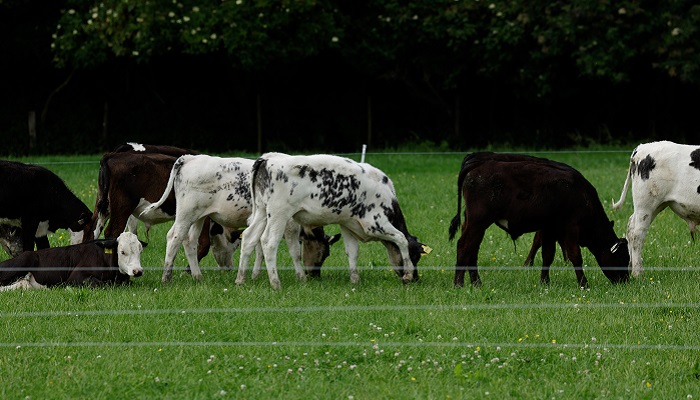
The ideal grassland infrastructure for a calf-to-beef system includes several key components to maximise grass utilisation and animal performance, read some key tips from the Teagasc DairyBeef 500 team here.
1). Paddock system
Implement a paddock system with a minimum of 7-10 paddocks for each grazing group. This allows for better control of grass, increased grass growth, and improved animal performance.
Read more: Set up a paddock system to get more from grass
2). Grazing duration
Aim for 72-hour paddocks, which offer flexibility in ensuring animals’ intake is not restricted. This setup also allows paddocks to be large enough for machinery operations and can be split depending on whether calves or older stock are grazing or during difficult grazing conditions.
3). Water troughs
Ensure adequate positioning of water troughs in paddocks to provide easy access to fresh water for all animals. Troughs should be located centrally in middle of the field, allowing paddocks to be split further depending on group size and grass demand.
4). Temporary fencing
Invest in temporary fencing resources, such as reels and pigtails, to manage grazing efficiently and adapt to changing conditions.
5). Fencers
Ideally, a powerful, good quality electric fencer should be installed that is suitable for the length of fencing to be electrified. Consider installing solar-powered fences on out-blocks of land to enhance grazing management where no power source is available or alternatively battery powered fencers can be used.
Read more: Selecting the right electric fencer to suit your farm
6). Grass recovery
Allow paddocks to recover for approximately 21 days before being grazed again to ensure consistent grass growth and availability.
7). Roadways
Farm roadways make handling and moving of livestock a much simpler task. While the ideal roadway consists of hardcore stone and a finer blinding material, strips along the farm can be simply fenced and used to move stock with no stone if budgets don’t allow such expense.