
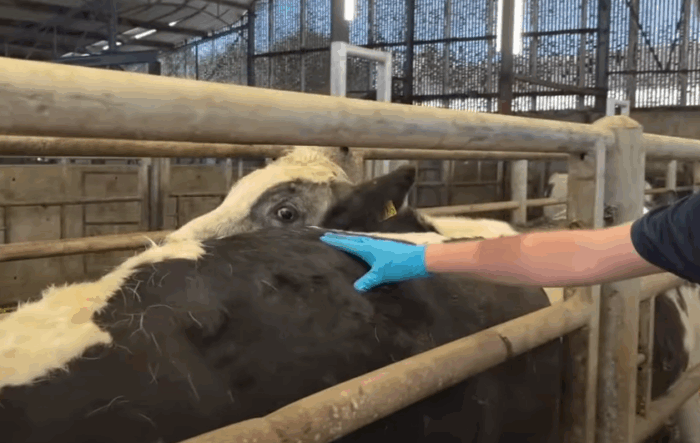
The drafting and selection of finished animals will soon commence and continue right through the spring on DairyBeef 500 farms. Here, the DairyBeef 500 team share some key tips.
When selecting animals, farmers need to ensure that cattle have an adequate covering of carcass fatness. This will ensure animal value is maximised at slaughter time. Market specifications require animals between 2+ and 4= for carcass fat score.
Drafting animals too early when under fleshed or when over fat can result in a price reduction. Where specifications are missed, penalties will be applied on the quality pricing system grid as well as additional breed and quality assurance bonuses on certain breeds.
Nationally, a relatively high percentage of animals are being slaughtered at excessively high fat scores, representing additional feed days, and associated economic and environmental costs.
Once cattle reach the desired fat score of a 3+, the carcass weight potential of the animal is maximised; putting animals into any higher levels of a fat cover reduces their efficiency significantly in terms of average daily gain.
Where to assess animals
When it comes to assessing the fatness of steers and heifers under calf to beef production systems, the primary areas we focus on are the shoulders, loin, rib and tail head. For bull beef producers, fat cover can be slightly more difficult to determine.
The areas mentioned above are important areas to monitor for fat cover but other areas that give a good indication of fat cover in bulls are the cod and the brisket. Once fat starts to be laid down in these areas, generally bulls are ready for slaughter.
DairyBeef 500 Advisor, Tommy Cox provides more guidance on drafting in the below video:
For more tips and advice, view the DairyBeef 500 webpage here.