
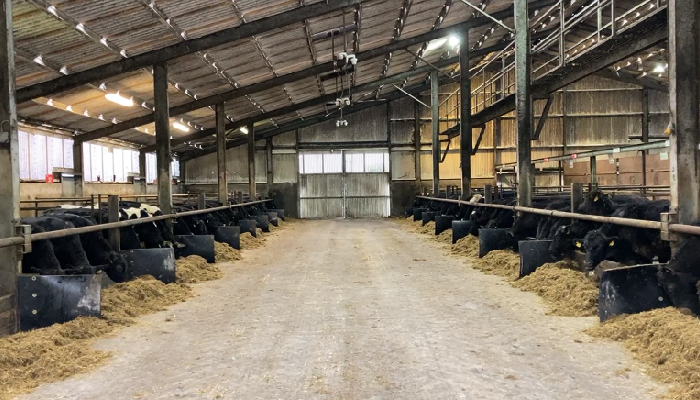
High-quality silage forms the foundation of winter feeding in dairy-beef systems. However, achieving target liveweight gains depends on balancing this with appropriate concentrate supplementation. Silage analysis is therefore essential in planning feeding strategies.
Why analyse silage?
Visual inspection alone is not sufficient to assess silage quality. Lab analysis provides valuable information on nutritive value, preservation, and mineral content. Key indicators include Dry Matter Digestibility (DMD), Metabolisable Energy (ME), crude protein, and fibre levels (NDF). These results allow farmers to adjust concentrate type and feeding rate to meet animal performance targets.
Sampling for accuracy
Accurate sampling is vital. Allow 5 to 6 weeks after ensiling before testing. Use a long core sampler to take 3 to 5 well-spaced samples from the pit, discarding the top few inches before combining them into a composite sample. Exclude air and seal samples properly before posting to a Forage Analysis Assurance Group (FAA) accredited laboratory. For baled silage, test each batch separately to ensure representative results.
Balancing silage quality and concentrates
Dairy-beef systems require high-quality silage (DMD >72%), with concentrate levels adjusted based on silage energy content and animal growth stage. For example, a weanling aiming for 0.6kg/day gain may require 1.8kg of concentrate daily on 66 DMD silage, but only 0.4kg/day on 76 DMD silage. Protein also plays a key role, concentrates for weanlings should contain 14–16% crude protein, while finishing animals require 11–14%.
For more information on silage quality and concentrate supplementation click here, or contact your local Teagasc advisor.