
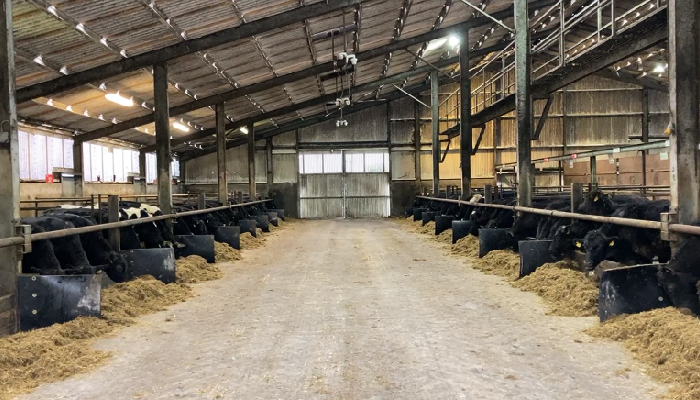
The first winter housing period is a key stage in any dairy calf-to-beef system, writes DairyBeef 500 Advisor, Gordon Peppard, as how young cattle are managed over the coming months will have a considerable influence on growth rates, finishing age and the overall profitability.
With most stock now housed, it is worth taking some time to make sure all the basics are right.
1). Target growth rates
The aim during the first winter is to achieve an average daily gain of between 0.6–0.7kg per head per day. This level of growth is required to build the animal’s frame for later finishing. Animals that grow too slowly now may become stunted and will struggle to catch up. They may require additional feeding and take longer to finish, causing a substantial cost on the system and also effect fodder budgets and housing requirements. A diet based on good-quality silage (greater than 70% DMD) and concentrate feeding will usually meet these targets.
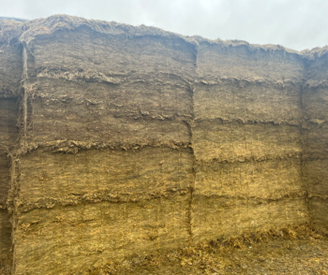
2). Know your silage and plan your feed
It is essential that silage is tested in advance and concentrates are fed according to silage quality. Feed costs make up the largest share of winter costs, so it pays to analyse silage before feeding. High-quality silage (70% DMD or better) can support good growth with 1–2 kg of concentrate per day, while lower-quality silage will need extra meal.
Complete a feed budget early in the housing period to ensure that you have enough to cover the full winter period. Shortages later in the season can quickly push up costs or reduce animal performance due to the uncertainty of the quality silage that you are buying.
3). Minerals and vitamins
Mineral supplementation is often overlooked but plays a key role in supporting growth and immunity. Copper, selenium, iodine and zinc are key trace elements for young cattle.
Minerals can be provided through concentrates, powdered minerals on the silage, or through water systems. Always use a reliable product and avoid over-supplementation, particularly with copper, which can build up in the liver.
4). Reduce stress and help keep cattle healthy
Stress has a big impact on performance. Group cattle by size weight, and sex to avoid bullying and ensure even feeding. Keep pens clean, dry and ensure good ventilation without draughts at animal level. Watch for early signs of respiratory disease, such as coughing or reduced appetite, especially in the first few weeks after housing. Quick action will prevent setbacks and reduce the need for antibiotics later.
5). Monitor performance
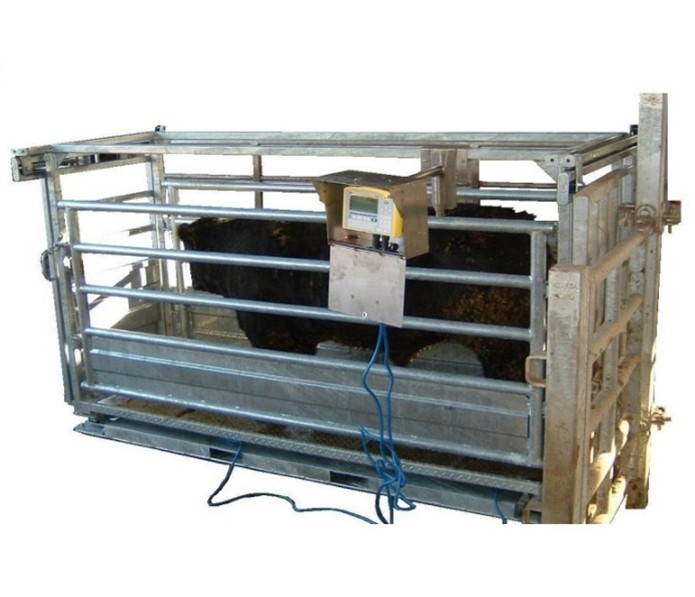
Regular weighing is the only way to know if cattle are meeting targets. Weigh at housing and again mid-winter to check progress. Group cattle by weight and sex.
Feed and vet bills should be reviewed monthly. Small savings in these areas can make a significant difference to profit margins in calf-to-beef systems.
Re-cap
In dairy calf to beef systems, all animals need to be gaining weight every day that they are on farm. The first winter sets the foundation for efficient and profitable finishing. Focus on good-quality silage, balanced feeding, clean housing and regular monitoring. Getting these basics right now will ensure cattle leave the shed in spring ready to thrive at grass.
Gordon Peppard is an advisor on the Teagasc DairyBeef 500 Programme, find out more about it here.
More from Teagasc Daily: Building skills in dairy-beef – a Limerick farmer’s story