
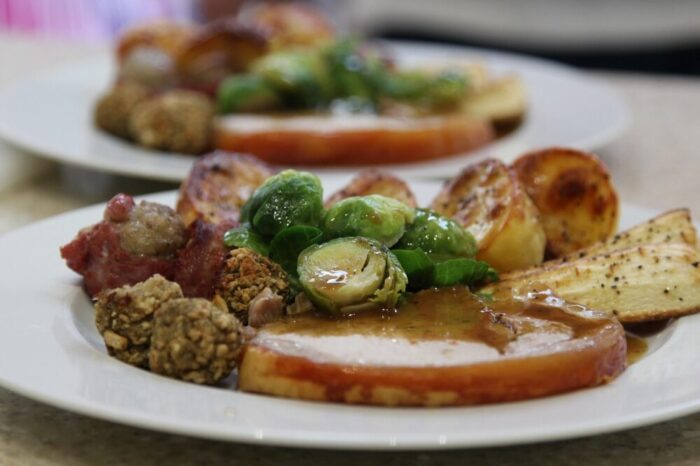
The festive season is a time of celebration, generosity and shared meals, but it also brings a sharp increase in food waste. Angelo Gelatalo, Food Technologist at Ashtown Food Research Centre, explores how we can reduce food waste at this time of year.
In Ireland, around one-third of the food we buy ends up in the bin, costing the average household approximately €700 each year. This figure rises significantly at Christmas, when overbuying, large portions, and poor planning often lead to perfectly good food being discarded.
Why food waste increases at Christmas
The main reasons food is wasted are simple: we buy more than we need, or we fail to use it in time. During the festive period, these habits are amplified by special offers, a “treat yourself” mentality, complex menus, impulse shopping, and the desire to provide an abundance of food for family and guests. As a result, leftovers are forgotten, fridges become overcrowded, and food is discarded unnecessarily.
Certain foods are more likely to be wasted at Christmas due to their perishability, portion size, or seasonal use. The most common types of household food waste during the festive period in Ireland include:
Cooked meals and leftovers
Large festive meals are often over-prepared, with leftovers not reused, frozen or eaten in time.
Fresh vegetables
Traditional Christmas vegetables such as potatoes, carrots, parsnips and Brussels sprouts are frequently overbought and left unused or uneaten.
Bread and bakery products
Extra loaves, rolls and festive baked goods are often purchased “just in case” and go stale before being eaten.
Dairy products
Cream, milk, cheese, and butter are commonly purchased in excess for festive recipes, but often spoil before use.
Seasonal sauces and condiments
Items such as cranberry sauce, gravy, brandy butter and stuffing are often prepared or opened for one meal only and then discarded.
Understanding which foods are most likely to be wasted helps households focus on smarter planning and storage decisions.
Practical tips to help people reduce waste
December 26, recognised as National Leftover Day, serves as a timely reminder that small changes in how we manage food can make a big difference. Organisations such as Stop Food Waste provide practical advice on using up Christmas leftovers, planning meals more effectively, and storing food correctly. Simple actions, such as avoiding shopping when hungry, planning portions, and getting creative with leftovers, can reduce waste while saving money.
To help consumers take action, the following clear and simple messages are crucial:
- Plan before you shop, do not panic: check cupboards, fridge and freezer first and prepare a shopping list
- Buy what you need, not what you might need
- Portion sizes matter: leftovers are good, excess waste is not
- Leftovers are food, not waste: freeze or reuse them and there’s an endless amount of recipes that can be created.
- Use your freezer as a tool to prevent waste
- Trust your senses, not just date labels
- Reducing food waste saves money and helps the environment
- Refrigerate leftovers within 2 hours of cooking to prevent bacterial growth.
Small changes at home can have a big impact, especially during the festive season.
Suggested portion sizes
Keep in mind to check expiry dates
| Ingredients | Quantity per Person |
| Turkey (raw) | 180-200g |
| Ham (raw) | 100-120 |
| Roast potatoes | 150 g |
| Mash potato | 100-150 g |
| Brussel sprouts | 5-6 (80 g) |
| Carrots | 60-80 g |
| Parsnips | 60-80 g |
| Mixed vegetables | 60-80 g |
| Mixed salad | 50-70 g |
| Milk (tea, coffee, mashed potatoes, sauces, dessert) | 250-300 ml per adult |
| Cream (Irish coffee, pavlova, sauces, etc.) | 10 ml per adult |
| Butter (cooking vegetables, mashed potatoes, table butter) | 35-40 g per adult |
| Bread | 1-2 slices |
| Stuffing | 60-80 g |
Upcycling ideas
Upcycling ideas are great for reducing or eliminating food waste and for creating quick, 15-minute recipes at low cost.
Brussels sprouts
- Stir-Fry Style: Thinly sliced, used with leftover ham and onion.
- Pasta sauce: garlic, leftover cream and leftover cheeses.
- Bubble and Squeak: potatoes and carrots.
- Frittata/Omelette: eggs, fresh herbs, leftover vegetables.
- Soup: Blended with leftover vegetables and mashed potatoes.
Turkey
- Cuban-style Ropa Vieja: tomatoes, onions, spices.
- Stir-fry: ginger, coriander, garlic, soy sauce, tamarind
- Casserole: Leftover vegetables, fresh herbs, leftover cream, croutons (made with leftover bread).
- Tacos/Enchiladas: spices, leftover salad, cheese and sauces.
- Pasta/ Risotto sauce: Leftover vegetables, cheese, garlic, fresh herbs.
- South Asian Curry: curry paste, leftover vegetables.
- Indian Curry: Preferred curry sauce (vindaloo, madras, etc.)
- Pot Pie: Combine vegetables, sauce and vegetables, topped with potatoes or pastry.
Ham
- Brunch: diced ham, leftover potatoes and onions, topped with a fried egg.
- Croque-Style Toastie: Ham, cheese, bread, bechamel sauce.
- Pasta sauce: ham, vegetables, mushrooms, cheese, and cream if leftover.
- Tortilla: eggs, ham, potatoes and salad.
- Soup: Turkey carcass, beans, ham, and vegetables.
- Frittata:
- Quesadillas
- Sandwiches
- Salads
Angelo Gelatalo is a Food Technologist at Ashtown Food Research Centre with almost 40 years of culinary experience. He works on the ROSETTA Project, an EU-funded initiative focused on reducing food waste. Read more about the ROSETTA project here.