
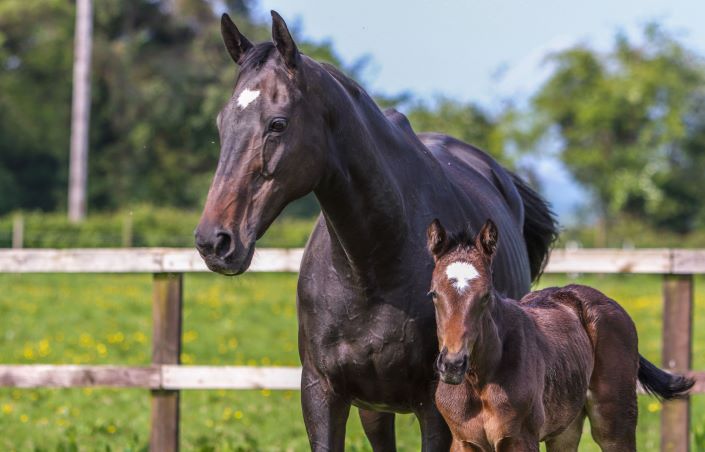
As foaling does not always follow the textbook, Equine Specialist at Teagasc, Wendy Conlon writes on an upcoming blended training course that will equip breeders with the skills to assess risk, prepare effectively for foaling, and respond calmly and appropriately when challenges arise.
For horse and pony breeders, the arrival of a new foal is one of the most rewarding moments of the breeding calendar. It is also one of the most critical. The hours leading up to foaling and the first days of a foal’s life can determine not only survival, but long-term health, soundness, and performance. With expectations for animal welfare higher than ever, education in foaling and neonatal health has never been more important.
A short course, delivered through a combination of two evening online learning sessions and a half day practical, on-farm sessions, offers breeders a flexible and highly relevant opportunity to build confidence, knowledge and practically appliable skills. The course focuses on practical, evidence-based approaches that can be applied immediately in real breeding situations.
Foaling does not always follow the textbook. While many births are uncomplicated, emergencies can develop quickly and without warning. Understanding the normal stages of foaling, recognising early signs of trouble, and knowing when to act and when to call for help can make a critical difference. This course equips breeders with the skills to assess risk, prepare effectively for foaling, and respond calmly and appropriately when challenges arise.
The neonatal period is equally vital. The first 24–72 hours of a foal’s life are a window of both vulnerability and opportunity. Topics covered in the course include neonatal assessment, colostrum management and early detection of illness. The course also provides an overview of conditions that can affect foals beyond the neonatal phase. Breeders will learn how to identify subtle warning signs that are often missed, helping ensure veterinary assistance is sought promptly when needed.
Blended delivery
One of the key strengths of this course is its blended delivery. The online component allows participants to learn from their own homes and provides a networking opportunity with other breeders from around the country. The on-farm session then brings this learning to life. With key elements re-visited in a real breeding environment coupled with the support of veterinarian Jennie Henderson, this allows participants to gain further confidence under expert guidance.
Beyond improving foal survival and health outcomes, participation in this course supports broader goals of animal welfare, professional development and industry sustainability. Well-prepared breeders are better positioned to reduce stress on mares and foals, minimise avoidable losses, and make informed decisions that benefit both animals and businesses.
Whether you are an experienced breeder looking to refresh your knowledge or newer to breeding and seeking a strong foundation, this short course offers practical value and peace of mind. Investing time in education today helps protect the future of your breeding programme.
For more information and to book your place in the course, visit here.