
When a quiet cow can turn aggressive – protecting yourself at calving
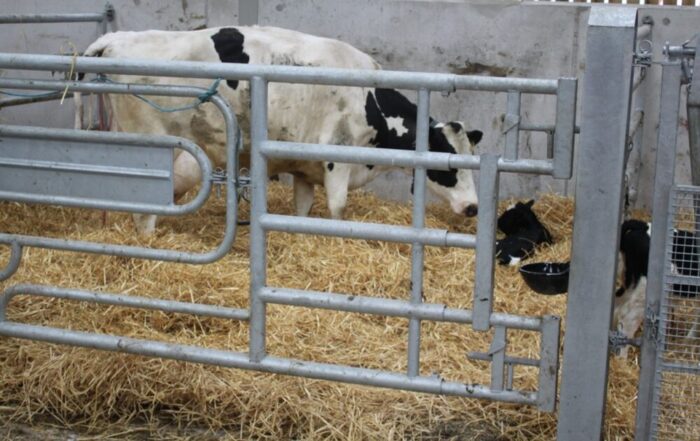
As we approach the spring calving season, one of the most demanding times of the year begins. It is also one of the most dangerous periods. Kirsty Sweet shares practical advice on how to stay safe during calving.
Cows protecting a newborn calf can become extremely dangerous within seconds. Many serious injuries, and fatalities, happen during calving, often involving animals that were previously considered quiet. Recognise the risk and acknowledging close calls is important.
Take decisive action during calving
Dangerous moments often occur when handling the calf or intervening during calving. This is where distance and control matter. Practical steps can make a real difference.
Protect yourself from the cow when handling the calf – never assume she will tolerate close contact. Use a calving gate or barrier to restrain or separate the cow before assisting. Always have a clear escape route planned before entering a pen. Avoid working in confined spaces, particularly when alone.
Purpose-designed facilities with calving gates, solid barriers, good lighting and sensible pen layouts greatly reduce risk. At the same time, many farmers are working with older sheds, by improving how existing gates are used, fixing damaged fittings, improving visibility, or considering the flow of cattle it is possible to reduce the risk. Grants and supports like 60% TAMS 3 funding from the DAFM can help with targeted upgrades, but small changes can also make a big difference.
Top calving safety tips
- Keep distance whenever possible
- Never turn your back on a freshly calved cow
- Use gates, barriers and pens to your advantage
- Think ahead: How will I get out if the cow charges?
- Culling an aggressive cow is a difficult decision, but it is sometimes the safest option.
Calving safety is not about questioning farmers’ skills or experience, as no amount of experience can remove animal instinct, particularly around freshly calved cows. Good facilities exist to support farmers’ judgement at pressured moments, not to replace it, and while calving does carry risk, serious injury should never be accepted as the cost of doing the job. Staying safe protects not just the farmer, but everyone around them and ultimately, the farm business.