
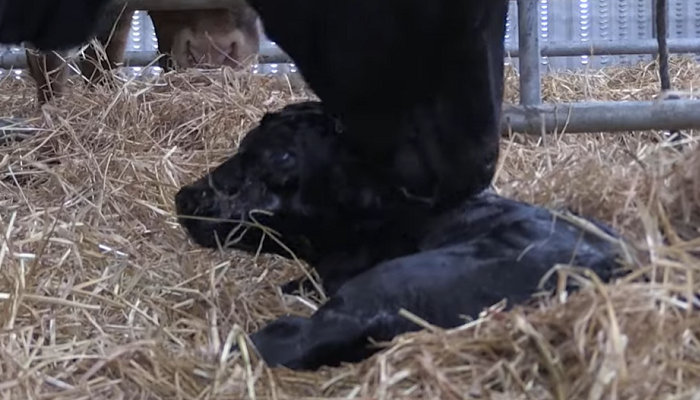
Preventing scour in newborn suckler calves is critical to reducing early-life losses and improving herd performance on Irish beef farms. Read some key tips from the Teagasc Future Beef Programme here:
Scour and gut infections are the leading cause of death in calves under one month old, but simple on-farm actions can dramatically cut risk.
Common scour causes include E. coli, rotavirus, coronavirus, Salmonella, cryptosporidium and coccidiosis, each with distinct onset ages and symptoms. Pre-calving vaccination of cows against E. coli, rotavirus, coronavirus and cryptosporidium boosts antibody levels in colostrum and helps protect calves once they have ingested sufficient first milk.
Colostrum management and hygiene
- Colostrum management is vital: provide 2–3 litres within two hours of birth, check quality with a Brix refractometer and be ready to hand-feed or stomach tube calves that don’t suckle. High-quality colostrum stored for emergencies can be life saving.
- Hygiene in calving pens and calf housing reduces pathogen exposure. Power-wash and disinfect pens, keep bedding clean and disinfect feeding equipment after every use. Sick calves should be isolated immediately to prevent spread.
Effective scour prevention combines pre-calving vaccines, excellent colostrum delivery, strong hygiene practices and early recognition of disease to improve survival and performance in suckler beef systems.
The above was first published as part of a Future Beef enewsletter. For more insights and to sign up to the Future Beef Programme enewsletter, visit here.
A step by step guide to calving the suckler cow and keeping the calf alive
The Teagasc Future Beef team hosted the second event in their two-part webinar series, A Guide to a Successful Calving Season, on Tuesday, 20 January 2026.
The webinar highlighted how calf performance and farm profitability begin well before calving, and focused on the importance of correct nutrition, mineral supplementation, vaccination and calving management.
For full insights, watch a recording of the webinar below: