
With calving just around the corner on many suckler farms, Teagasc Future Beef Programme Advisor, James Mullane shares some key tips to maximise safety at this busy time of year.
Farmers need to be mindful of farm safety. Statistics from the HSA show that deaths due to livestock accounted for approximately 20% of all fatalities in agriculture over the last 10 years. Cow attacks at calving time have risen sharply in recent years and is one of the main causes of livestock deaths, with cow and heifer attacks accounting for one third (33%) of this figure.
Practices such as navel dipping, tagging a calf and stomach tubing can provoke a sudden change of behaviour in the cow as she may see you as a threat and attack.
Below, are some tips to maximise safety on the farm at calving:
Calving pens
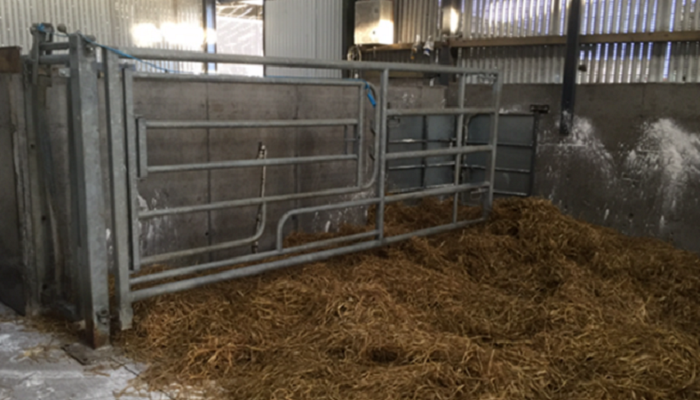
Good calving facilities, adequately sized calving pens, calving gates, good underfoot non-slip conditions and fresh bedding are all essential requirements. The calving pens should be well designed and located nearby to the dry cow housing. If possible, the access and exit to these pens should be either directly or by using gated or walled passageways to minimise direct contact between the cow and the farmer.
Calving gates should be positioned to the front of the pen. The calving pen size should be adequate to use a calving jack comfortably.
The calving area should be kept tidy and have good lighting. It may be necessary to clean light covers using suitable safety equipment for working at heights. The calving pen should be fitted with a well-designed calving gate to allow the farmer/vet access to both sides of the animal. Other desirable features of the calving gate would include a Caesarean gate and a gate for assisting the suckling of newborn calves.
If using group calving pens, keep group sizes manageable and have an individual pen adjacent. There should be an area where a farmer can retreat to in case of a cow attack or if animals show aggression. These areas could be designed like the safety barriers for mart staff fitted in sale rings across the country.
Equipment
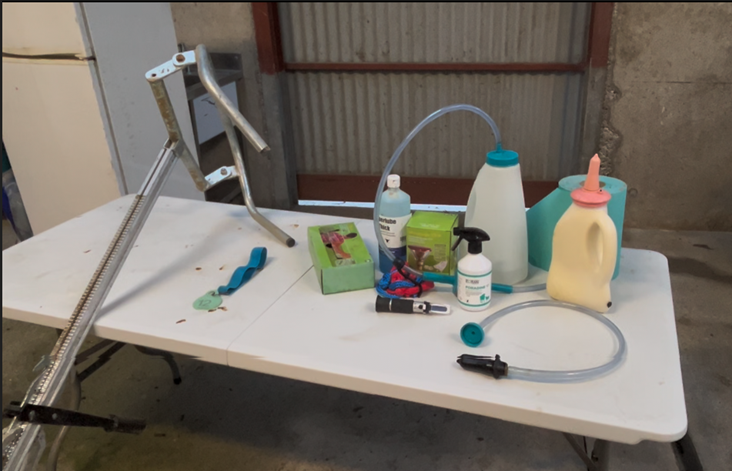
Having the right equipment to hand (calving jack, ropes, etc.) and planning can lower risk of dangerous incidents and stress during the calving season. Make a checklist of what equipment is required and have these items on the farm before calving commences.
Calving jacks, if properly used, can reduce the risk of back injuries. Arm length gloves and washable clothing and boots should always be used while handling cows at calving to protect the cow from infections but also to protect the farm worker from zoonotic diseases such as Leptospirosis. A robust vaccination programme will also play a role here. Have adequate washing facilities available to minimise the potential of infectious disease
Better use of facilities
Make use of calving facilities on the farm by moving cows into the calving pen before calving commences. This may allow the cow to settle in her new surroundings, making her less stressed.
Tagging or treating a calf can be particularly dangerous as the calf will generally cry out which can result in a cow attack. Always maintain a good physical barrier i.e. a strong gate between you and the cow to provide protection if the cow does attack. Or restrain the cow in a headlock so that she cannot attack. A cow will remain protective for a considerable period of time, so always have an escape route planned in the event of an attack. Treat all cows as dangerous, especially first-time calvers, and keep dogs away to avoid triggering protective attacks.
Managing fatigue and health
Long hours and regular night work increases the risk of accidents during this busy time of the year due to fatigue. During the calving season farmers work very long hours, often with broken sleep. ‘Part-time’ farmers will often do a normal day’s work elsewhere and then arrive home late in the evening to tend to the needs of their cattle. This is also a high-risk time. Sometimes this pattern of work can happen for many years. Try and make use of equipment such as calving cameras. A calving camera will reduce the need for unnecessary trips to the calving shed and will help allow you catch up on sleep. It also has the advantage of reducing the disturbances of the cow, particularly heifers, during the calving process. Utilise TAMS 3 grants for safety investments such as calving cameras.
Be mindful of back injuries during the calving season, take care when lifting heavy calves to assist with suckling. The key is to lift using your legs and to keep your back as straight as possible. To lift, squat down bedside the calf, pull it in close with one arm around the front and the other around the hind legs. Then straighten your knees to lift it. Hold it firmly and don’t let it struggle loose. If you are moving newborn calves any distance, make use of calf barrows and quad trailers but be mindful of cow attacks at all times.
Older and younger family members
Calving is often a joyous time on farms and older family members may want to become involved. It should be kept in mind that there is a higher incidence of fatalities and serious injuries involving livestock and older farmers. Never allow children to become involved with cows during or after calving. Children must be accompanied by an adult at all times, if present on the farm.
Enjoy a safe and healthy calving season on your farm.
James Mullane is an Advisor with the Teagasc Future Beef Programme. Find out more about the Future Beef Programme, its key advice and the farmers enrolled here.