
Managing your sheep farm through February
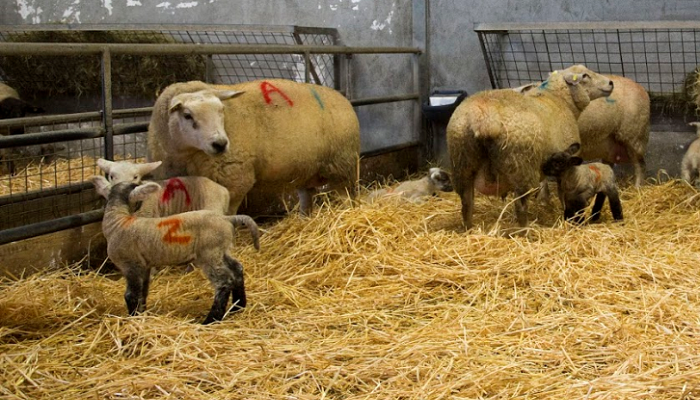
From grassland management to feeding ewes pre-lambing, Damian Costello, Sheep Specialist, Teagasc, Athenry, Co. Galway, shares some essential tips for managing your sheep flock through February.
Grassland management
At the time of writing in late January, ground conditions are such that applying fertiliser is the furthest thing from most farmers’ minds. However, now is the time to order fertiliser and have it on hand when needed. When conditions are right, apply 19-25kg/ha (15-20 units per acre) of nitrogen (N) in the form of protected urea.
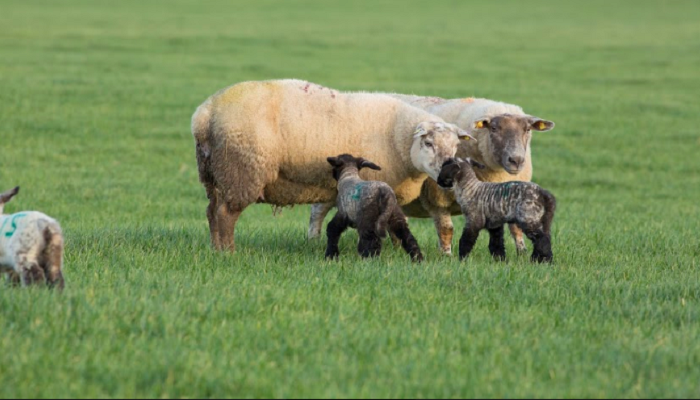
As well as having suitable ground conditions, applications should be delayed until soil temperature is above the 6˚ C required for growth.
Additionally, keep a close eye on the weather forecast and avoid spreading before a severe drop in temperature or if heavy rain is expected.
A lack of nitrogen supply in the soil will limit grass growth in spring. The best response to early chemical nitrogen (N) applications will be on dry fields with good soil fertility and where grass covers have been built since last back end to above 6cm.
Feeding management of ewes in late pregnancy
The reward for getting ewe pre-lambing nutrition is producing vigorous lambs of optimum birth weight and having ewes lambing down with a plentiful milk supply. This is generally achieved by supplementing your forage pre-lambing with a good quality concentrate feed.
The nut or ration should contain high-quality ingredients and 19-20% crude protein with soya bean as the main protein source.
Develop a feeding plan based on the quality of forage available and feed concentrates based on scanned litter size and expected lambing date. Keep an eye on body condition as thinner ewes will need extra feeding – in practical terms this can be done by moving thinner twin bearing ewes for example up to a similar feed level as the triplet bearing ewes.
Good feeding management is critical and some tips include:
- Ensure adequate concentrate feed space (600mm per large-framed ewe)
- Keep forage in constant supply and remove refused/stale material twice weekly
- Clean out drinkers twice weekly to ensure fresh water is always available
- Introduce concentrate supplementation in time and step up gradually
- Split concentrates into two feeds at least 8 hours apart once feeding over 0.5kg/head/day
- Keep an eye out for shy feeders and separate out to encourage them to eat meal
More from Teagasc Daily: Late pregnancy nutrition – getting the basics right
Flock health
As always, it is important to keep on top of any lameness issues; lameness depresses feed intake, making affected ewes less inclined to compete for feed. If left untreated, lame sheep will lose body condition and can be at risk of developing metabolic diseases. Separate and treat lame cases promptly, consulting with your veterinary surgeon if necessary for diagnosis and prescription of appropriate treatment.
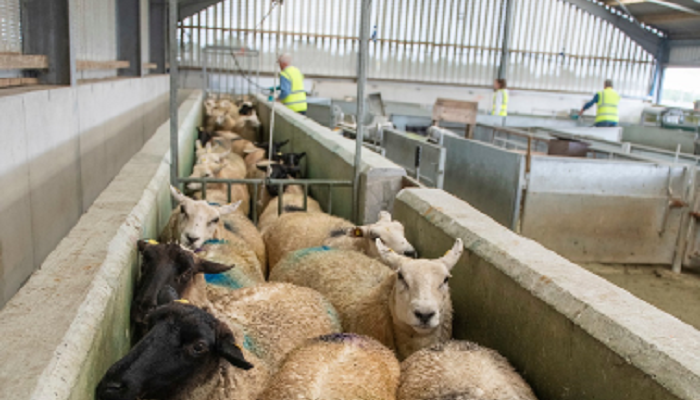
When ewes are in the handling yard for vaccinations / fluke dose take the opportunity to footbath the flock. As for all treatments close to lambing, it’s important to move and handle ewes in a stress-free manner.
For more on vaccination and flock health planning, watch a recording of the recent Let’s Talk Sheep Webinar below:
Sheep census deadline
The closing date for submitting your sheep census by post was 30th January 2026. Online submission is still possible up to 14th February 2026 by logging in to your www.agfood.ie account and submitting your sheep number details online. Don’t put this important task on the long finger as along with being a legal requirement it is also a condition of eligibility for the various sheep related schemes.
For more on completing your Sheep Census online, visit here.
Upcoming event
The Teagasc National Hill Sheep Conference 2026 takes place on Wednesday 18th February at 7pm in the Westport Woods Hotel, Westport, Co. Mayo. Eircode: F28 KW53. Full details available through Teagasc social media channels and on our website.
Find out more about the Teagasc Hill Sheep Conference here.
Planning for the lambing season
Make a list of essential lambing supplies and equipment that need to be purchased and stock up. Having these items at your fingertips when you need them will save lambs.
Wishing you all the best of luck for the 2026 lambing season.