
Guidelines to minimise thermoduric bacteria in bulk tank milk
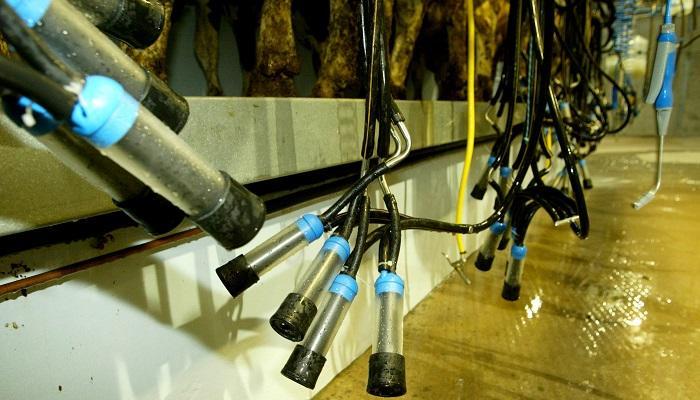
Thermoduric bacteria are organisms capable of surviving pasteurisation which results in negative effects for milk processing.
The below was prepared by David Gleeson, Bernadette O’Brien and Tom Beresford, Teagasc, Animal & Grassland Research and Innovation Centre, Moorepark, Fermoy, Co. Cork, and first published in the Moorepark 2025 Open Day Book (PDF).
Milk is a nutritious medium that can support the growth of a large selection of bacteria, which can utilise the proteins, fats, carbohydrates and vitamins in milk for their growth and metabolism. Bacteria that contaminate milk include thermoduric bacteria which can survive pasteurisation and subsequently grow in pasteurised milk or contaminate other dairy products.
Thermoduric bacteria can limit shelf life and cause ‘bitty cream’ in pasteurised milk and result in late blowing of cheese.
Thermoduric bacteria exist in the dairy cow’s environment on farm, e.g. in soil, bedding and faeces. These bacteria contaminate milk produced on-farm largely via soiled cow teats during milking.
Inadequate cleaning of the milking machine, bulk tank, and overall milking plant can lead to the buildup of bacteria within the equipment, allowing ongoing contamination of the milk. The presence of thermoduric bacteria is indicative of ineffective cleaning along the milk production process (environment, cow, milking plant). Therefore, the critical control points for minimising thermoduric bacteria in milk are:
- A clean cow environment
- A clean cow
- An effective cleaning regime for the milking machine and bulk milk tank
Cow and milking hygiene
Ensure that teats are clean and dry before milking. If the milk sock is soiled after milking, then teat preparation is inadequate. Teats that are washed or treated with teat disinfectant pre-milking should be dried with paper before cluster attachment. Maintain cows in a clean environment – collecting yards and approach roads should be cleaned regularly. Trim cow tails and udder hair at least three times per year. Keep hands/gloves and milking clusters clean during milking. Do not wash down clusters while still attached to a cow.
Effective milking machine cleaning regime
An effective milking machine wash routine will help to prevent residue build up or biofilm formation on plant surfaces. Having the correct concentration of detergent is vital for successful cleaning.
When liquid detergent is used with hot water a 0.5% detergent solution is generally adequate if the detergent product has a concentration of sodium hydroxide greater than or equal to 24%. However, if cold water is used the solution concentration must be increased to 1%. The amount of liquid detergent required for a specific machine washing procedure may be calculated as follows: volume of water in the wash trough multiplied by concentration of solution required (0.5 or 1%) divided by 100.
Hot water provides a greater microbial kill than cleaning with cold water. A rise in temperature of 10°C was shown to increase the reaction rates of chemicals by between two and eight times. Therefore, for effective cleaning, a start temperature of 75 °C (in the filled wash trough) and an end of cycle temperature of ≥ 50 °C is required.
The detergent wash cycle should not exceed 10 min, longer periods will result in temperature drops which will facilitate soiled material re-sticking to plant surfaces.
Alternative cleaning protocols, which involve the use of powder detergent require a solution concentration of 0.5% and a lower frequency of hot washing due to the high concentrations of sodium hydroxide present in those products (75 to 80%) as compared to liquid products with much lower concentrations (12 to 30%) of sodium hydroxide.
Regardless of detergent product type a sufficient volume of detergent/water solution must be used to ensure that all surfaces will be in contact with the detergent solution (9 litres/milking unit).
Adequate turbulence is important (air injection every 30 to 40 seconds for large plants), as is vacuum level during the wash cycle (not drawing in air in the wash trough).
Acid descalers should be used to prevent any build-up of mineral deposits on equipment surfaces, as these deposits facilitate the establishment of thermoduric bacteria within the milking plant. Generally, acid descalers are used at a usage rate of 1% and can be used with either hot or cold water.
Milking equipment should be acid washed three times weekly and more regularly (7 times per week) if the water supply is considered hard and a water softener is not in-place. The inclusion of a disinfectant such as peracetic acid in the final rinse has been shown to be effective in reducing thermoduric bacterial levels in milk and is especially beneficial where the microbial count of a farm water supply is considered unsatisfactory. Thermoduric bacteria can survive in perished rubber-ware so milk liners should be replaced twice yearly and milk tubes when cracked or worn.
Effective bulk milk tank cleaning regime
- Disinfect the bulk milk tank outlet regularly
- Ensure sufficient volume of detergent wash solution for the size of the bulk tank, generally a water supply of 1% of tank size
- An acid wash should be carried out after every second or third collection, on alternative days use sodium hydroxide detergent
- Blocked suck-up detergent tubes will result in insufficient detergent usage, replace these tubes annually
- Cool milk to 3/4 °C ideally within 30 min of the completion of milking, as some thermoduric bacteria will multiply at temperatures above 4 °C
Conclusion
Critical control points for minimising thermoduric bacteria in farm milk include a clean cow and clean cow environment with an effective milking equipment cleaning regime.