
Spring calving management – protecting the newborn calf
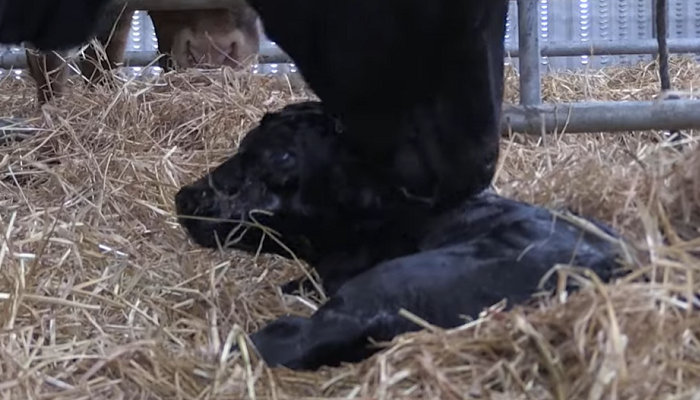
With spring calving now in full swing and disease pressure rising, Teagasc Beef Specialist, David Argue shares key advice that will pay dividends for calf health.
Good hygiene, close attention to detail and prompt action are essential to minimise calf losses and set animals up for lifetime performance. Getting the basics right during this busy period will pay dividends in calf health, thrive and labour efficiency.
Calving management
Move cows and heifers into clean, well-bedded calving pens three to four days before their due date to allow them to settle. Pens should be thoroughly cleaned and disinfected between calvings, with plenty of fresh, dry bedding provided. Good hygiene reduces the build-up of disease-causing organisms, including Cryptosporidia.
Understand the stages of calving. The first water bag (clear fluid) signals that calving has started and usually requires no intervention. The second water bag (thicker fluid) indicates that calving is imminent. Allow cows to calve naturally where possible. Only intervene if there has been no progress after an hour of strong straining, or if there are signs of difficulty such as an oversized calf or incorrect presentation. Heifers often take longer than mature cows.
If examining a cow, always use a clean glove and plenty of lubricant to assess presentation and calf size. If the calf appears too large, do not pull excessively – seek veterinary assistance. When assisting, use soft calving ropes placed above the fetlock and pull in time with the cow’s contractions. Calving jacks should only be used by experienced operators. After a difficult calving, consider appropriate pain relief in consultation with your vet.
Newborn calf care
Immediately after birth, ensure the calf is breathing. Clear the airways and stimulate respiration by rubbing the chest area vigorously. ‘Cycling’ the front leg with the calf on its side is helpful for those slow to take regular breaths. Do not hang the calf over a gate, instead sit the calf upright on clean straw in a natural resting position. Dip or spray the navel thoroughly with chlorhexidine or iodine to prevent infection.
Colostrum management
Colostrum is the single most important feed a calf will receive. Follow the 1–2–3 rule: feed high-quality colostrum (1st milk) within two hours of birth (no later than four hours), providing 3–4 litres at the first feed. Use a refractometer to check quality; readings above 22% indicate good-quality colostrum. If quality is poor, use frozen reserves.
Always collect colostrum hygienically and use sanitised feeding equipment. Store fresh colostrum in the fridge or freeze surplus in clearly labelled containers. If a calf is slow to suck, tube-feed promptly to ensure adequate intake.
Monitoring and disease prevention
Normal calf temperature ranges from 38–39°C. A temperature above 39°C may indicate infection. Watch closely for scour and pneumonia, particularly during periods of changing weather. Isolate scouring calves immediately to reduce disease spread, continue milk feeding, provide electrolytes and seek veterinary advice where necessary. Check navels regularly for signs of infection. Good ventilation, dry bedding and regular cleaning are critical to limiting disease build-up.