

Breeding
- Calving facilities updated
- Calving has started and is going well
- Colostrum tests show good levels of antibodies from feeding soyabean meal


Michael upgraded his calving facilities this year and installed gates in all the pens to allow for easier access. He also installed new self-locking barriers so that cows could be restrained more easily if necessary than the old ones.
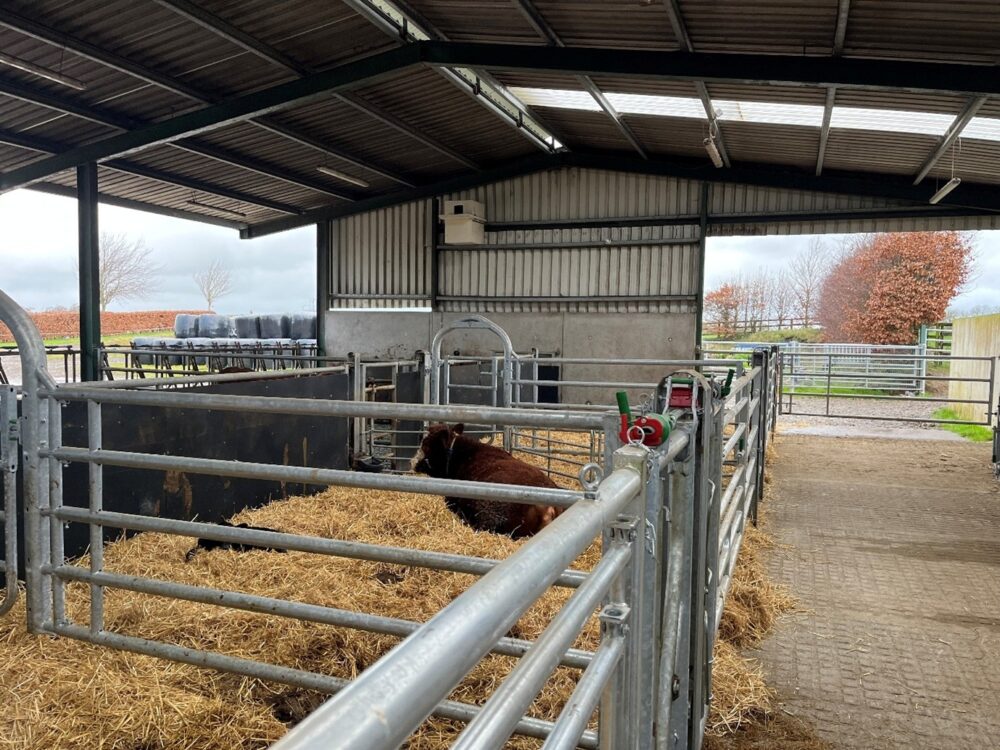
Figure 1: New calving pens
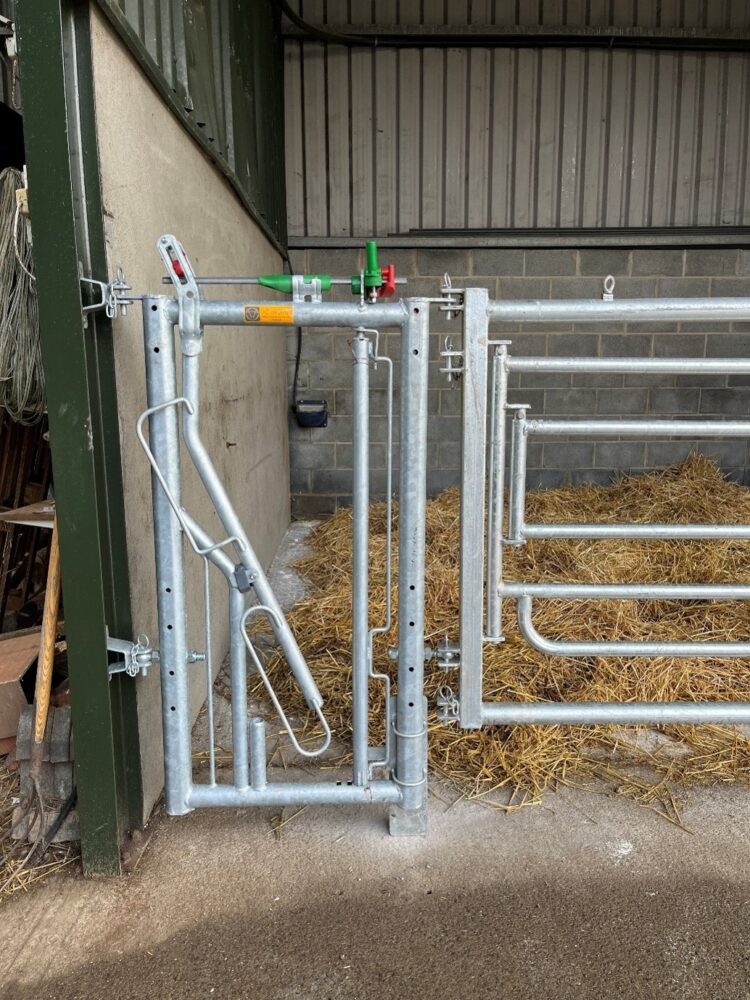
Figure 2: New self-locking head barriers installed
The cows and in calf heifers are getting 100-120g of pre-calving minerals/day in the lead up to calving, along with 0.5kg of soya bean meal per head. Michael finds that this works very well and one sample that he tested this year with the brix refractometer showed 26% total solids, which is above the 22% minimum recommendation.
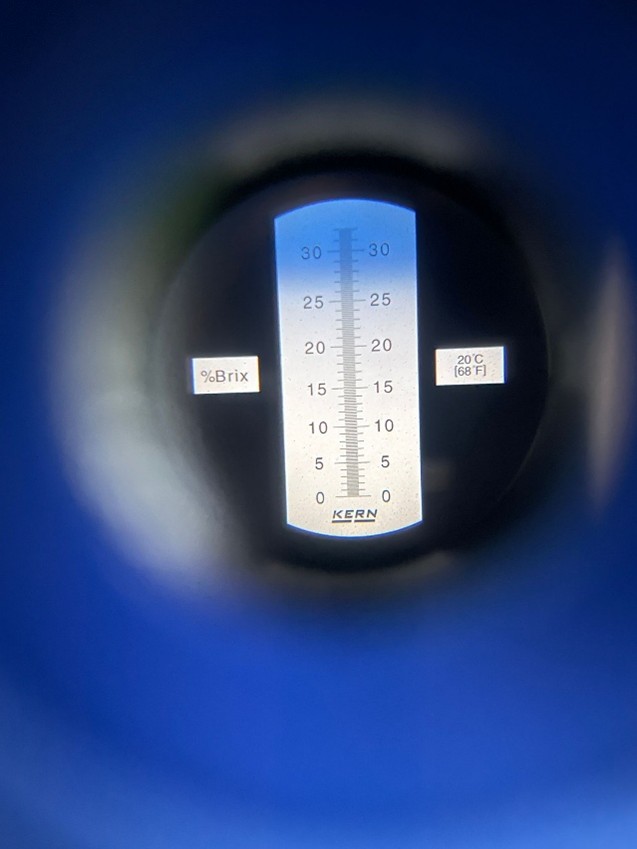
Figure 3: Brix refractometer showing percentage solids in colostrum
Calving started on Michael’s farm on 25th January and 11 calves were born up until 18th February. He has no issues at calving and calves have been quick to stand and suckle after birth. He was taking the opportunity to let cows and calves to grass where weather allowed, and began grazing dry, sheltered fields beside the yard for ease of access by day.
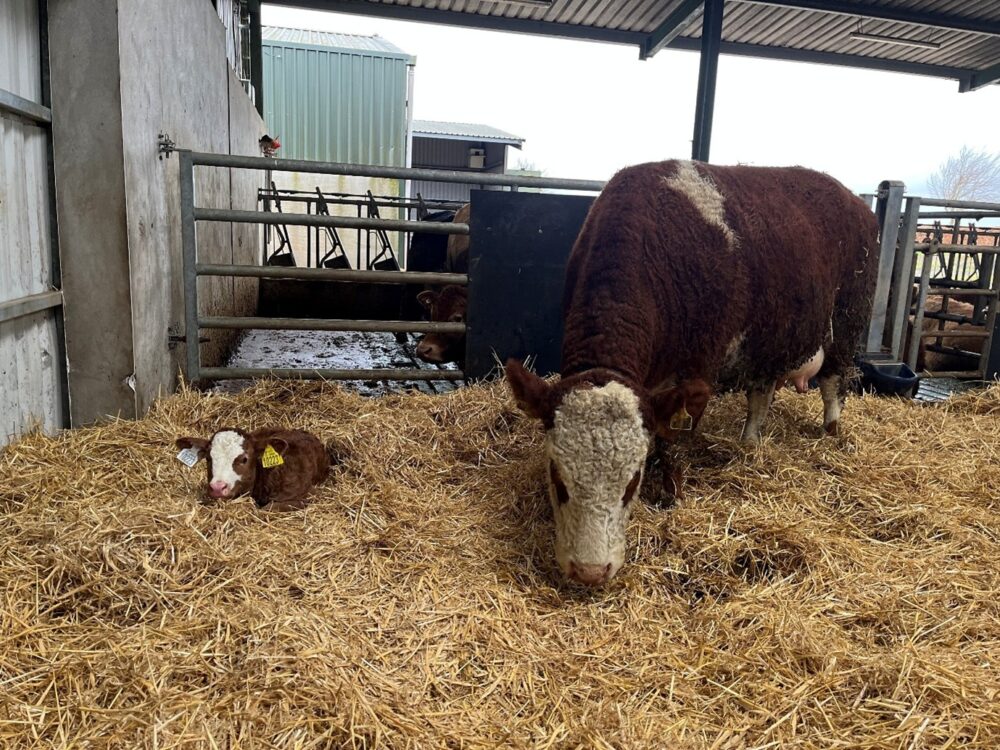
Figure 4: Newborn heifer calf from SIX cow and sired by LM6172
Michael completed his profit monitor for 2025. There was no major changes on the farm to land or stock numbers, just the switch from winter to spring calving in 2025. He has been analysing his 2025 cattle detailed report.
The output per livestock unit was 316 kg/LU which was an increase on 297 kg/LU in 2024. This figure is affected by everything that affects daily live weight gain on the farm; bull fertility, cow fertility, mortality, grass management, animal health, silage quality, ration fed etc. The target is over 350 kg/LU for a suckler system and 500kg/LU for a dairy calf to beef system. The stocking rate was similar to 2024 at 1.84 LU/ha.
The gross output figure is calculated from cattle sales minus cattle purchases and add/subtract any changes to the inventory. Michael had a gross output figure of €3295/ha which is the main ‘money in the pot’ to cover variable and fixed costs. This increased significantly from €1889/ha in 2024, which was already up from €1324/ha in 2023.
The 3 biggest expenses on drystock farms are purchased concentrate, fertiliser and contractor costs. Michael’s farm is no different with his biggest costs for the year;
In total, the total variable costs (€1315/ha) were 40% of the gross output figure, which is much lower than the target of <50% for a suckling system. It’s a significant reduction from 65% in 2024 as a result of the increase in beef price and controlling variable costs in 2025.
The fixed costs were €789/ha for 2025 which is only slightly higher than 2024 due to increased investment and extra repairs and maintenance. This is expected to climb in 2026 due to investment into a new slatted tank and shed.
For 2025 the cattle enterprise made €1191/ha net margin which does not include any direct payments or subsidies. This a significant improvement for Michael as the net margin was negative in 2024 so he is delighted with the great farming year. It is expected that the margin will reduce slightly in 2026 as it will be the first year of the fully spring born herd and cattle will be younger and lighter when sold than in 2025, but with the positive outlook for beef price it is still expected to be a profitable year.
Michael completed his Bord Bia sustainability survey for 2025 which allowed him to generate a carbon footprint for the year. On analysis of this, it shows that the carbon footprint on the farm has gradually reduced over the last 2 years – from 13.8 kg CO2 equivalent per kg liveweight gain to 9.52 kg CO2/kg LWG. The main reason for this is the extra kg of beef sold from the farm in 2025. The 15 steers sold in 2025 averaged 417kg carcass weight at 22.7 months of age, whereas they were sold live at lighter weights in 2024. The more kg of beef sold from the farm dilutes the carbon footprint per kg, especially when they were finished off grass.
However Michael has consistently worked on making improvements over the last number of years to help reduce this;
Going forward Michael plans to continue improving on the above metrics, and also to plant further hedgerows around the farm – both for shelter and carbon sequestration. The steps he is taking both reduces greenhouse gas emissions but simultaneously increases profit on the farm.
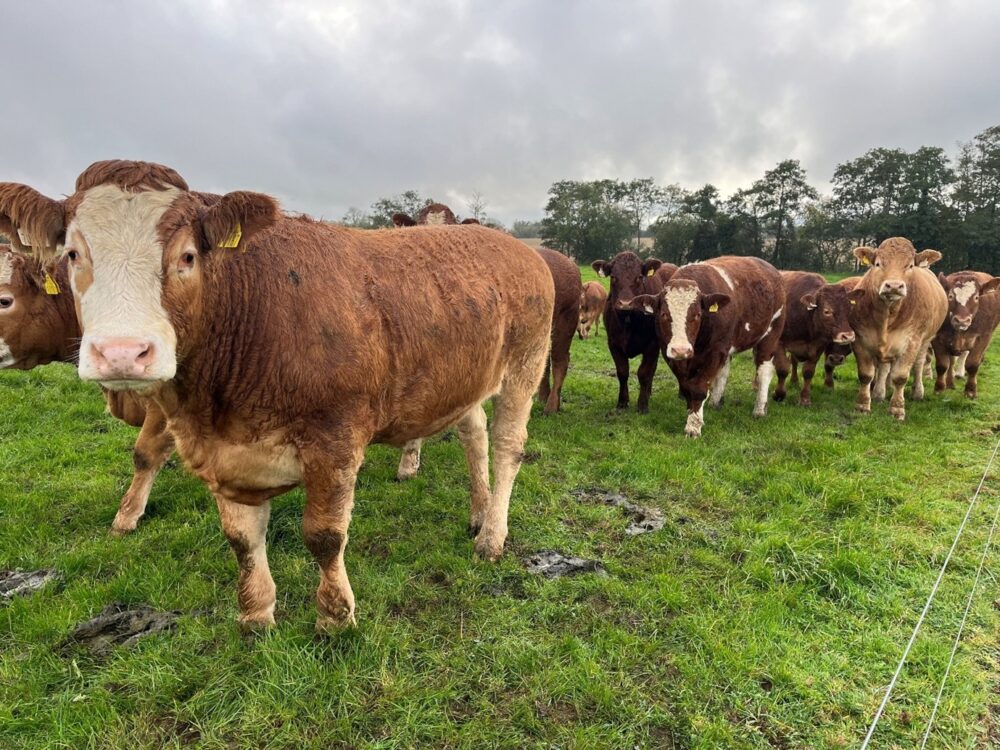
Figure 5: Some of the continental bullocks that were finished at grass in 2025