
Low Carbon Irish Grain – what’s your number?
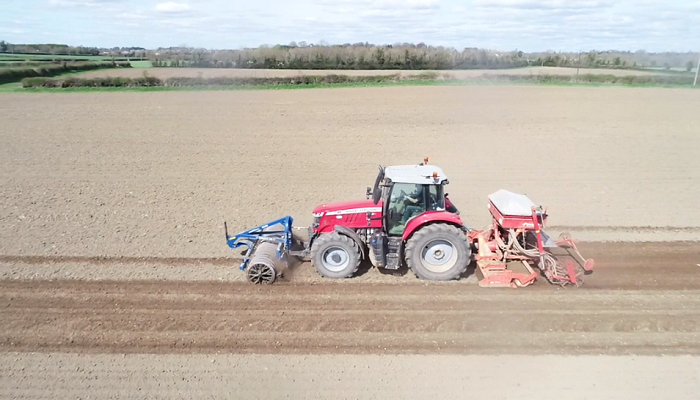
John Mahon, Teagasc Signpost Tillage Advisor, writes on the benefits of using AgNav Tillage, a free online tool available to all Irish tillage farmers that can drive profitable, lower carbon grain production.
As commercial and regulatory pressure grows to cut greenhouse gas (GHG) emissions from agriculture, simple, transparent ways to measure and manage carbon from soil and field operations are essential.
AgNav’s tillage carbon calculation tool helps Irish grain farmers quantify the carbon consequences of their tillage choices, compare lower‑carbon options and generate credible footprint data for farm reporting and market engagement. This should help differentiate low‑carbon native Irish grain from imports, and over time give farmers the option to manage and market emissions.
What is AgNav tillage?
AgNav Tillage is an Irish grain carbon footprint calculator and farmer decision‑support tool that estimates CO₂e per tonne of harvested grain under Irish conditions. It converts farm inputs and activities – fertiliser and lime application, fuel, seed and agrochemicals, manure, soil N₂O emissions, yield and land use for different soil types and establishment methods – into greenhouse‑gas equivalents using established Irish emission factors and life‑cycle rules.
Improve management decisions
Outputs let you benchmark performance, identify “hot spots” (on many farms Nitrogen (N) fertiliser and soil N₂O dominate) and test mitigation scenarios. The calculator highlights the biggest GHG contributors on your farm, so you can track what practical changes you can make (for example shallower cultivation, reduced machinery passes, N optimisation, reduced N inputs, use of organic manures, straw chopping & incorporation) to give the biggest return to lowering the carbon footprint of any given crop.
It also highlights the effects of yield on the numbers. GHG emissions per hectare can be the same or lower for different crop types, however it is yield which will determine the lowest carbon footprint per tonne at the end of the day.
Market readiness
Buyers, supermarkets and processors increasingly request carbon footprints or supported claims. Calculated footprints backed by recorded operations (AgNav data) improve traceability and credibility for on‑farm claims, carbon or sustainability schemes and payments.
Baseline data collection
All baseline data required to fill in the data input boxes are already recorded in your Irish Grain Assurance Scheme (IGAS) Record Book or computer recording software. An hour or two is sufficient to gather the data each year, and inputting into the online AgNav tool takes approximately a half an hour.
So, what is a good number?
Before we had an Irish grain carbon footprint tool, we relied on international figures allocated to Irish grain using international emission factors. Typically, these were in the region of 350 – 400 kg CO₂e/t for the main cereal crops like wheat and barley.
However, since AgNav Tillage was developed and with figures put through the calculator so far for three seasons using Irish emissions factors, gross carbon footprint figures of 200 – 250 kg CO₂e/t are consistently being recorded. When straw chopping and incorporation figures are credited, these figures are coming out close to or at carbon neutral, particularly for Irish oat crops.
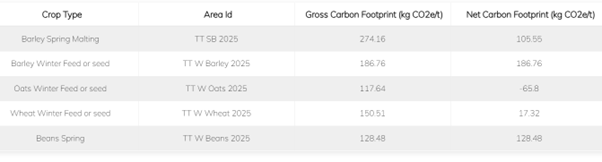
Figure 1: An example of the results generated via AgNav Tillage
Verification
To register for AgNav Tillage, farmers must verify their identity by entering their assurance scheme certification number (currently only available through IGAS, but other assurance schemes will be added, when available, in the future). Sustainability scheme participants may also undergo independent verification with their grain processor; however, this verification process is separate to AgNav, and any AgNav data shared with grain processors would be provided directly by the farmer, not by AgNav.
Conclusion
AgNav Tillage is a free online tool available to all Irish tillage farmers, not just Teagasc clients, which converts operational changes into verifiable CO₂e reductions and business value – use it to drive profitable, lower‑carbon grain production.
Help is at hand through the regional network of 21 Signpost Climate advisors who are available to guide farmers with registration and using AgNav if they require help.
For more information and to sign up AgNav Tillage, visit the Signpost Advisory Programme.