
Treating hypothermic lambs
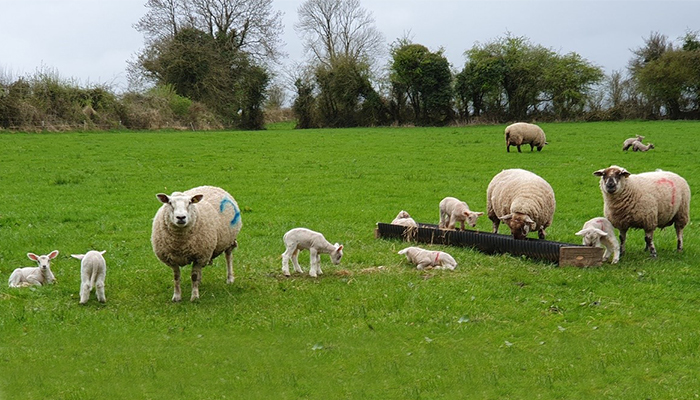
With lambing now in full swing on most farms, Teagasc Sheep Specialist, Ciaran Lynch shares some essential advice for treating hypothermic lambs.
When a lamb’s temperature drops below 37°C, its energy reserves are quickly depleted. Blood glucose levels drop and lambs will cease heat production. Without intervention, these lambs will enter a recumbent state, followed by coma and eventually death.
In lambs over 5 hours old that have lost the ability to suck, it is vital that their blood glucose levels are raised rapidly before entering the warming box and/or fed colostrum. If this step is skipped, fatal seizures can occur in the warming box.
Most of the equipment needed will be on hand in the lambing shed, but ensure you have the basic supplies ready: a tub of glucose or dextrose powder, a sterile 60 ml hypodermic syringe, sterile 18–20 gauge needles (1 inch long recommended), and a clean container to mix the solution.
Prepare solution:
- Sterile water – boiled water allowed to cool
- Mix 80ml boiled water with 20g glucose (four heaped teaspoons)
Administration:
- Hold the lamb by its front legs so it is upright, with the belly facing outward
- Dose rate: 10ml per kg bodyweight (e.g. 50ml for 5kg lamb)
- Inject into abdominal cavity using a sterile 18-20 gauge 1 inch needle:
- Injection site: 1 inch below and 1 inch to the side of the navel (see figure 1 below)
- Sterilize injection site with Iodine or similar antiseptic
- Angle needle at 45° aiming towards the base of the tail
- Draw back to check for blood/urine, if present, discard and reposition
- Inject slowly once correctly placed
Aftercare:
- Warm lamb immediately (e.g. warming box/red bulb)
- Feed colostrum/milk once standing
- Investigate the cause e.g. mismothering, lack of milk etc.
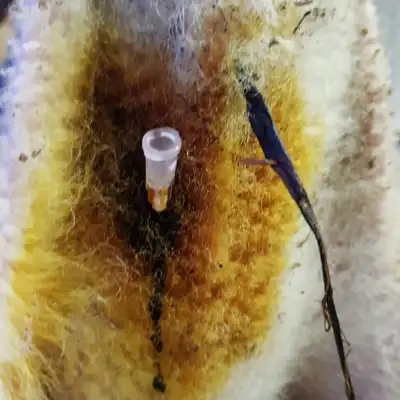
Figure 1: Injection site for administration
For more management tips for your sheep farm over the month of March, visit here.