
Future Beef update: The Creedons’ approach to rearing dairy-beef calves
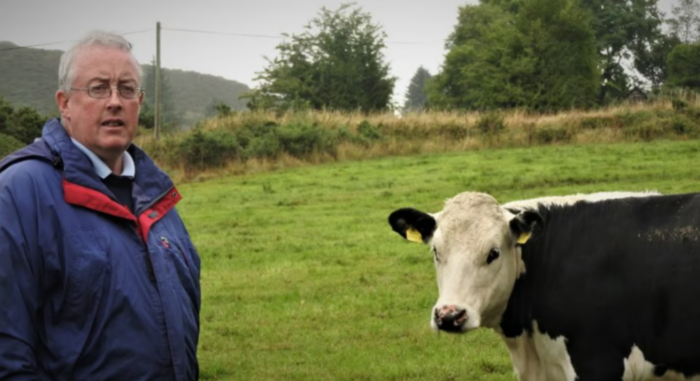
To maximise calf health and performance, Teagasc Future Beef Programme participants, Prionnsias and Maire Creedon follow a rigorous protocol when sourcing and rearing dairy beef calves on their farm in Co. Cork.
Firstly, prior to calf arrival, all sheds are power washed and disinfected. Upon arrival, calves are subject to a strict biosecurity programme to prevent the transmission of disease from an outside source or from older animals within the herd. Measures include using footbaths of disinfectant at each entrance and working from the youngest to the oldest animals on the farm daily.
From a calf health point of view, all calves are sourced from three local farms and are purchased from the farm direct. The calves arrive on the farm at five weeks of age.
Calf feeding
Focusing on an early-maturing system with Aberdeen Angus and Hereford calves from the dairy herd, calves come from a variety of different feed systems including teat feeders, buckets and an automated calf feeding system. On arrival, the calves receive a prebiotic dose, and the following feeding protocol is operated for the first three days:
- Electrolytes on evening of arrival
- Following day milk replacer am and electrolytes pm
- On day 3, milk replacer morning and evening
The calves start on 5 litres of milk replacer for week 1 and this is increased to 6 litres thereafter until a gradual reduction takes place pre weaning. Water is available ad-lib and calves are housed in a deep bed of straw. Straw is also available as a source of roughage for rumen development. A 17% crude protein ration is fed, and calves are generally consuming over 2kg of ration at weaning.
Housing and vaccination
The calves are housed in pens of 12 and remain in these groups through to weaning. A microclimate is set up in each pen to prevent calves getting chills.
Calves are vaccinated for IBR, RSV and PI3 intranasally three days after arrival. Some two weeks later, calves are dosed for coccidiosis and again at two weeks post turnout.
At all times, hygiene and biosecurity are extremely important with footbaths available at all shed entrances. Visitors are kept to a necessary minimum.
Along with focusing on nutrition and health, the Creedons also focus on the Commercial Beef Value of the calves purchased. For more insights on the Creedons’ farm, read their most recent update here.
To stay up to date with the latest happenings, sign up to the regular Future Beef E-Newsletter here.