
Breeding the ideal suckler cow
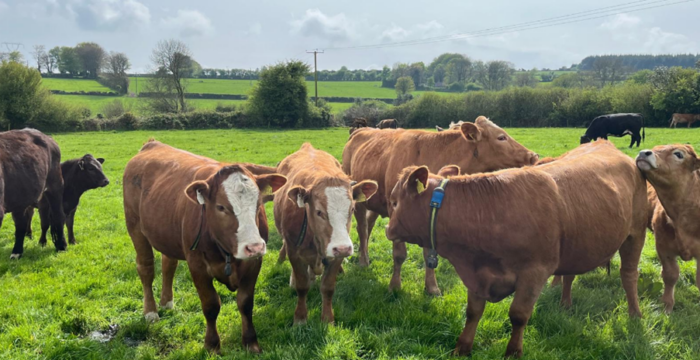
As part of the Future Beef Programme’s ongoing series aimed at improving performance and profitability in Irish suckler herds, a webinar focusing on breeding the ideal cow for different beef production systems will take place on Tuesday, March 31 at 8:00pm
The event, titled ‘Breeding the Ideal Cow for Your System’, will be chaired by Chris Daly of the Irish Cattle Breeding Federation (ICBF) and will feature contributions from Rose Goulding of the National Cattle Breeding Centre (NCBC), alongside Future Beef Programme participants, Donnachadh McCarthy and John Barry.
The webinar will examine how farmers can develop cows that work efficiently within their own systems. Key traits highlighted include fertility, docility, milk production and overall efficiency, while also ensuring the cow can produce a high-value calf each year. As the cow contributes 50% of the genetics of every calf born, having the right cow in place for your system is key.
Speakers will also explore how breeding goals differ depending on production systems. This will include under-16-month bull systems, where the aim is to produce carcasses of approximately 400kg at 15-16 months, and weanling production systems, targeting a well-shaped 400kg weanling at 9–10 months.
During the webinar, farmers will hear several important breeding considerations, including how to match cows to the bull, selecting suitable replacement heifers, interpreting star ratings and herd performance data and understanding the role of myostatin and other breeding factors. The session will also cover how to analyse herd figures and choose a suitable stock bull.
The Future Beef webinar series is relevant to: suckler farmers looking to improve herd performance; those interested in breeding their own replacement heifers; farmers considering AI, synchronisation and other breeding technologies; and producers aiming to reduce labour and improve efficiency.
Farmers interest in attending can register online in advance of the Future Beef Programme webinars.