
Calf disbudding tips
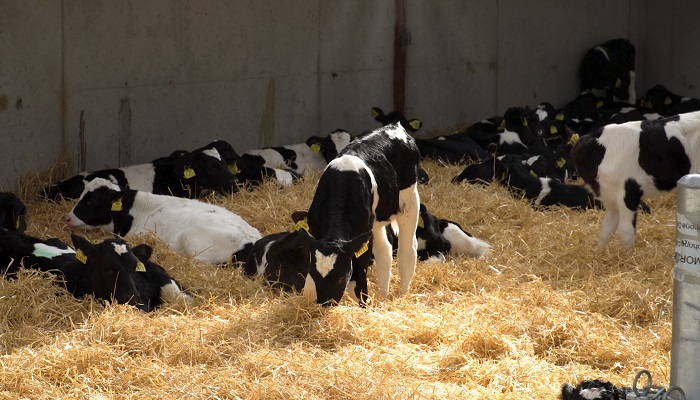
A common management practice on cattle farms, DairyBeef 500 Advisor, Gordon Peppard shares key tips on calf disbudding.
Calf disbudding involves removing/destroying the horn bud in young calves before horns are fully developed and attach to the skull.
Why disbud calves?
Horns are a natural feature of cattle unless from a genetically polled breed, but where present on farms, present significant risks. Horned animals are more likely to injure each other through butting, particularly around feed barriers or in confined housing. These injuries can lead to bruising, stress and reduced performance.
There are also significant safety risks to farmers. Handling horned cattle in yards, crushes, or milking parlours increases the chance of serious injury. For these reasons, most farmers choose to disbud calves at an early age rather than manage horned animals later in life.
Benefits and advantages
The advantages of early disbudding are well recognised, these include:
- Improved safety for both stock and handlers
- Easier handling and management, particularly in group housing
- Better use of space, as dehorned cattle require less room at feed barriers and in sheds.
- Reduced carcass damage, which is important in beef systems to maximise carcass output.
- Lower stress levels within the herd due to fewer aggressive interactions
When should I disbud?
Timing of disbudding is critical. Calves should ideally be disbudded within the first two to three weeks of life. At this stage, the horn bud is small and not yet attached to the skull, making the procedure simpler and less invasive.
If delayed, the horn becomes more developed and attached to the skull, making removal more difficult and painful. Later dehorning can also lead to increased bleeding and a longer recovery period, so early action is recommended.
What method should I use?
The most widely used method is thermal cauterisation (heat disbudding) using an electric or gas disbudding iron. The heated iron is applied to the horn bud for several seconds, destroying the cells responsible for horn growth.
This method is reliable and, when done correctly, prevents regrowth. Good technique is important to ensure the entire horn bud is treated while avoiding unnecessary damage to surrounding tissue.
The use of caustic paste is strictly illegal and must NOT be used as the chemical can spread into the eyes and may cause burns to other areas or animals.
Anaesthetic and pain relief
Animal welfare regulations in Ireland allows the disbudding of calves up to 28 days of age by thermal cauterisation. A local anaesthetic is required where the calves are two weeks of age or older, and this must be administered by a veterinary practitioner. The anaesthetic numbs the area around the horn bud, preventing pain during the procedure. The best location to anaesthetise is halfway between the base of the ear and the corner of the eye.
In addition, the use of non-steroidal anti-inflammatory drugs (NSAID) pain relief is considered best practice for calves of all ages. These anti-inflammatory drugs help reduce pain after the procedure and support quicker recovery.
Disbudding aftercare
Calves should be inspected regularly for at least ten days after disbudding for early detection of swelling, infection, discharge or fly strike. To minimise risk of infection, keep calves in a clean, dry pen. Calves should remain bright, active, and feeding normally. In most cases, healing is straight forward and completed within a few weeks. Consult your vet if wounds get infected as some cases may require antibiotic treatment.
Gordon Peppard is an Advisor on the Teagasc DairyBeef 500 Programme.