
Seven steps to a successful suckler calving season
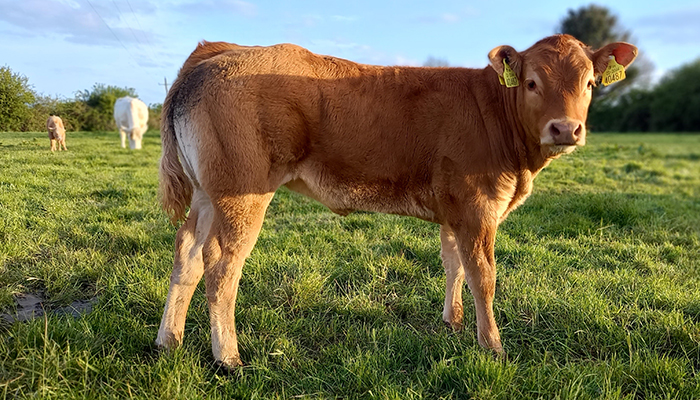
Planning now will make calving 2027 simpler, more compact and more profitable. The aim for every suckler farmer should be a tight calving spread, fertile cows and lively calves on the ground early. Martina Harrington, FutureBeef Programme Manager tells us more.
1. Pick your calving start date
Start by deciding when you want calving to begin. Work back 283 days to set your bull turnout date.
- 1 February calving – turnout early May
- Mid-February calving – turnout mid-May
- 1 March calving – turnout early June
Having a clear start date helps keep things tight and easier to manage.
2. Get the bull ready in good time
Do not leave bull preparation until the last minute.
Allow at least 10 weeks before breeding:
- Vaccinate for Lepto, Clostridia and Bluetongue
- Allow a 6 week lead in time for Bluetongue vaccine
- Cut back meal if overfat and improve fitness by turning out to grass
- Let the bull settle on the farm
Semen takes about 60-80 days to develop, so what you do now matters later.
3. Fertility test the bull (Bull “NCT”)
A bull can look fine but still be sub-fertile. Up to 25% of bulls can have issues.
Get a vet to check:
- Body condition (aim for score 3)
- Feet and legs
- Testes and penis
- Semen quality
- Ability to serve
Do this 8 – 10 weeks before breeding so there is time to act if there is a problem.
4. Watch the bull at work
Once breeding starts, be observant and record all heats and serves
- Make sure the bull is serving cows properly
- Watch for repeat heats – crucial this year with bluetongue
- Keep a note of cows served
- If you suspect a fertility problem, investigate early
- Rotate bulls where necessary
- Have a backup plan if the bull goes lame or infertile
Stocking guide:
- Young bull (first season): 1 cow per month of age
- Mature bull: up to 40 cows
5. Ensure cows are fit for breeding
Cows need to be in good condition and on a rising plane of nutrition.
- Get cows out to grass where possible
- If housed more than 2-3 weeks post calving, feed 1.5-2.0 kg of meal per day
- Avoid sudden drops in feed – cows are priority stock at breeding
- Follow your herd health plan – vaccination, dosing, mineral boluses
- If you had issues last year consider blood testing cows this year
- Manage late calvers (restricted suckling or synchronisation)
The goal is to keep the calving spread tight year after year.
6. Avoid difficult calvings
Difficult calving increases reproductive problems and calf mortality
Bull selection targets (ICBF indexes):
Heifers: <7.5%, >70% reliability (heifer index)
Cows: Breed-dependent 6.2–11.5% (cow index)
ICBF provides two separate indexes, one for heifers, one for cows. Using the right bull for the right cow makes a big difference.
7. Breed heifers to calve at 24 months
Good heifers are the future of the herd. Replacement heifers should be identified early.
Selection Criteria:
Visual: Good feet/legs, adequate frame/pelvic width, not overly muscled
Performance: ~60–65% mature cow weight at breeding (15 months), growth >1.1 kg/day, 200-day weight >250 kg
Genetics (ICBF): 4–5 star Replacement Index, positive milk, good docility, negative calving interval
Family History: Fertile, milky, docile dam
Keep it simple and plan ahead. Get the bull right, have cows in good condition and mind the details. If you do the small things right now, calving 2027 will run smoother and leave more profit in the system.