

Edited By
Michael Gottstein
Head of Sheep Knowledge Transfer
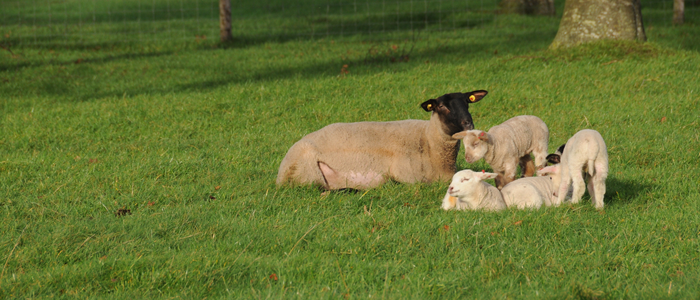
Welcome to the Teagasc April Sheep Advisory Newsletter. In this edition, Teagasc Head of Sheep Knowledge Transfer, Michael Gottstein brings you management notes on grassland management, grouping up ewes, flock health and plans for silage.
Grassland management
Fertiliser application has been delayed on many farms due to the unseasonally wet spring and difficult ground conditions. In addition, fertiliser prices – especially urea-based products – have gone through the roof.
History shows us that when fertiliser prices are high farmers use less and in some cases purchase more concentrates to make up the short fall. This is a false economy and results in higher overall costs. Points to note are:
- Fertiliser takes time to work before you will see the grass on the ground. Therefore, spread your fertiliser before you run out of grass.
- Fertiliser prices are high. If you haven’t already purchased fertiliser, purchase it in smaller quantities in case the price drops when the war in the middle east ends – hopefully soon.
- Don’t skip fertiliser applications if you are reducing the amount of fertiliser being used. Instead reduce the rate being applied. E.g. go with 10 or 15 units rather than 23 units.
- Make the best use of the available slurry. Spreading with LESS will increase the amount of nitrogen available to the plants.
Splitting paddocks / closing gates between fields to protect the regrowth will speed up grass recovery post grazing and result in more grass grown.
Group up ewes and lambs as soon as possible to reduce the number of grazing groups on the holding. This can be done once lambs are 10 days to two weeks of age. Again, this will increase the percentage of the farm that is being rested from stock at any one time resulting in higher grass growth.
Upcoming webinar
Please join us for our Let’s Talk Sheep Webinar on Wednesday 15th April at 8pm. This Webinar will focus on Grassland Management on the Sheep Farm. Click here to register for the Let’s Talk Sheep Webinar.
Flock health
Parasites
Lambs encounter their first parasites when they reach five to six weeks of age. Nematodirus is the first stomach worm, and this causes scouring and can kill lambs if not treated. The Department of Agriculture, Food and the Marine (DAFM) issue an annual Nematodirus forecast so keep an eye out for this.
The second parasite often encountered is Cocccidia. Again, this parasite causes severe blood stained scour in lambs and if not promptly treated can result in dead lambs or lambs with damaged digestive tracts.
For both these parasites it is not practical to use faecal egg counts to determine the need for dosing. Consequently, lambs should be dosed according to clinical signs. For more information, visit the Teagasc Sheep Flock Health webpage, and contact your vet or advisor.
Lameness
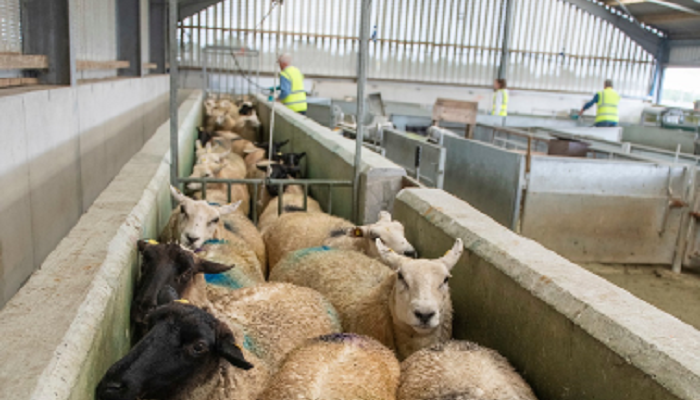
Lameness is a big problem in Irish sheep flocks. The incidence of lameness in flocks is strongly correlated to the quality of the handling facility, in particular proper foot-bathing facilities.
A batch footbath where you can stand sheep in the solution is the only effective way to help to reduce the incidence of lameness with foot-bathing. If you don’t have a batch footbath, then 2026 should be the year to construct one. They are simple to construct and if roofed to prevent rainwater dilution, copper or zinc sulphate solutions will remain effective for several months.
Grass tetany
Grass tetany is a frequently fatal condition in lactating ewes caused by a lack of Magnesium (Mg). Magnesium supplementation is the only reliable way to prevent the condition. For sheep, the most cost-effective way to prevent the condition is to supply sheep with high Magnesium lick buckets during lactation. Having multiple buckets dotted around the field increases the likelihood of ewes consuming adequate Mg.
On farms where there is a history of grass tetany and where the buckets are not sufficient to prevent the condition during periods of adverse weather, supplementing the ewes with 0.5kg of concentrate containing Cal mag (recommended 10kg of CalMag inclusion per tonne of concentrate feed) can prevent the condition.
Silage
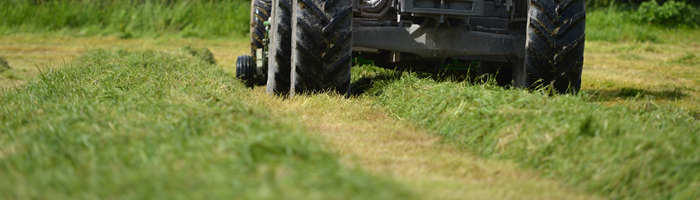
Silage is an important part of the sheep diet and in many cases will be used to feed sheep for two to three months annually. The aim should be to make good quality silage that maximises intake and reduces the need for concentrate supplementation. This means trying to harvest leafy grass with minimum soil contamination in good conditions. Planning for good quality silage starts in April. Silage ground should be grazed clean prior to closing up. The area should be rolled to reduce the risk of soil contamination during mowing, tedding, raking and lifting. Aim to cut the crop before heading out after five to six weeks of growth.
What’s happening on the BETTER Sheep farms
Dr. Frank Campion, Animal & Grassland Research & Innovation Centre, Athenry, Co. Galway, provides an update from the BETTER Sheep farms.
A crucial element of spring grazing management on the lowland BETTER sheep farms will be ensuring ewes and lambs are grouped into bigger grazing groups within 2-3 week of turnout. For the March lambing flocks, this is already completed or will take place early this month.
Opening covers on the farms are good, the comparatively poor weather conditions has meant that only a small number of the flocks spread an opening round of fertiliser at the time of writing (mid-March). As soon as conditions allow, the plan will be to spread protected urea at 15-20 units/acre.
The hill flocks are starting to lamb this month. Ewe BCS appears to have slipped on some of the flocks and ewes will need to be monitored in case some ewes require additional feeding or are not fit to return to the hill as early as planned.
The OviCast Podcast
The Teagasc OviCast podcast is presented by Ciaran Lynch and brings you the latest advice, insights and technical updates for the sheep industry. Listen to the latest episodes below or via Apple Podcasts or Spotify
Keep up to date with Teagasc
Teagasc offers a suite of digital products – ranging from insightful podcasts, trusted eNewsletters, social media, website and mobile app channels – to provide you with the latest news, information and knowledge.