
Breeding
- Calving season is progressing well with only 6 left to calve
- Bluetongue vaccines given
- Calved cows slow to come cycling – Michael will try restrict suckling and ration
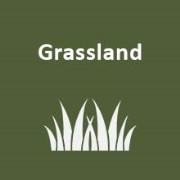

Michael had 20 cows calved from 25th January up until 22nd March with only 2 heifers and 4 cows remaining. There was 1 set of twins born, and there have been a lot of bull calves this year with 16 males and only 5 heifer calves. However they are all alive and healthy which Michael is delighted with.
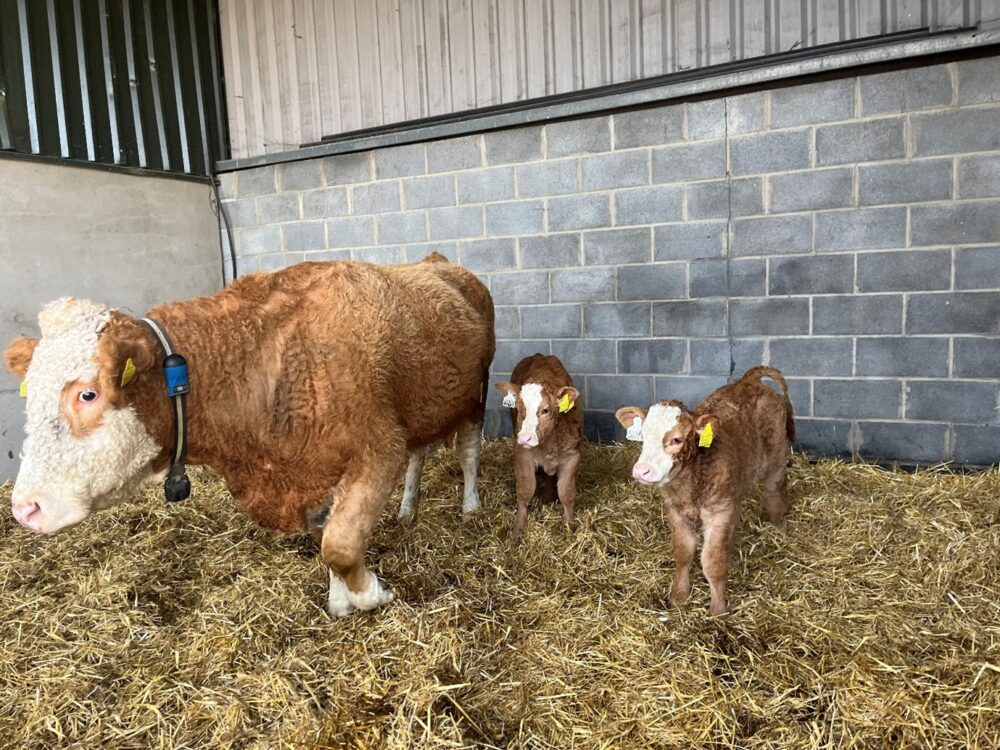
Figure 1: The set of twins with their mother
The calves have been tagged and received an intranasal vaccine against respiratory diseases. They were also given a preventative treatment against coccidiosis, and disbudded using an anasthetic and pain relief.
The calved cows and heifers have been slow to resume cycling after calving with no active heats recorded up to 7th April. They are in good body condition and were turned out to grass within days of calving to help boost their energy intakes. They have been vaccinated against leptospirosis and IBR, and are receiving iodine supplementation through the water since the beginning of April. They have also received their 2 shots of bluetongue vaccine, given 3 weeks apart. Only 2 cows had to be handled at calving so this difficult calvings were not an issue. Michael uses an automated heat detection and health monitoring system which monitors the breeding stock 24/7 and this hasn’t registered any heats. He plans to start breeding around 20th April so will now restrict suckle the cows that are over 35 days calved to help them resume cycling. This involves separating the calves from the cows so that are only allowed to suckler twice daily. This helps to break the cow/calf bond to help resume cyclity after calving. Michael also plans to start feeding them 1-2 kg of ration/head/day at grass to increase the energy in their diet and hopes that both actions will resolve the issue.
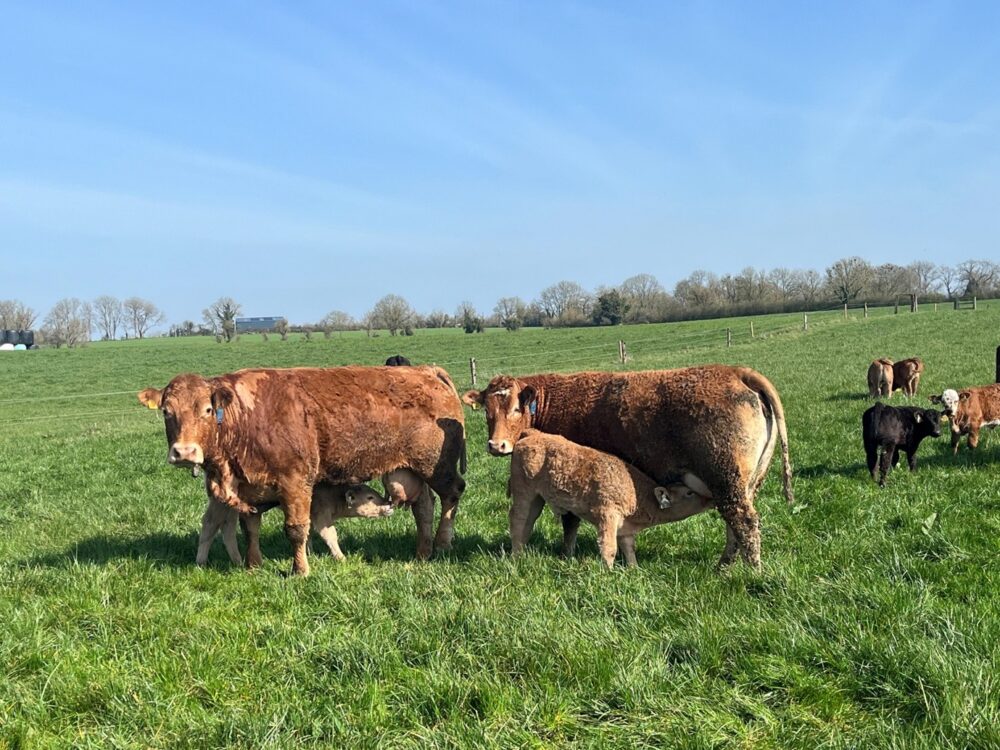
Figure 2: Two calved cows feeding their calves
Michael has been deciding on bulls to use for the coming breeding season. As there are so few heifers born this year, he plans to use maternal bulls that have >7kg daughter milk, but are also balanced for carcass weight and are less than 7% for cow calving difficulty on cows. He has selected the following AI bulls:
37 females are available for breeding this year with the aim of calving 30 cows in 2027. Three cows have been pre-selected for culling due to lameness and having low milk figures for rearing their calves.
Fertiliser has been spread at a rate of 20 to 26 units of 46% protected urea/acre on 9th March. This was followed up with 2500 – 3000 gallons of slurry/acre across some paddocks, including silage fields on 2nd April.
Grazing is going well on the farm with Margare on track to have 100% of the farm grazed by mid April in time to start the second rotation. The farm cover was holding well at 850 kg DM/ha on 27th March with a daily growth rate of 27 kg DM/ha and a demand of 37 kg DM/ha since 18th March.
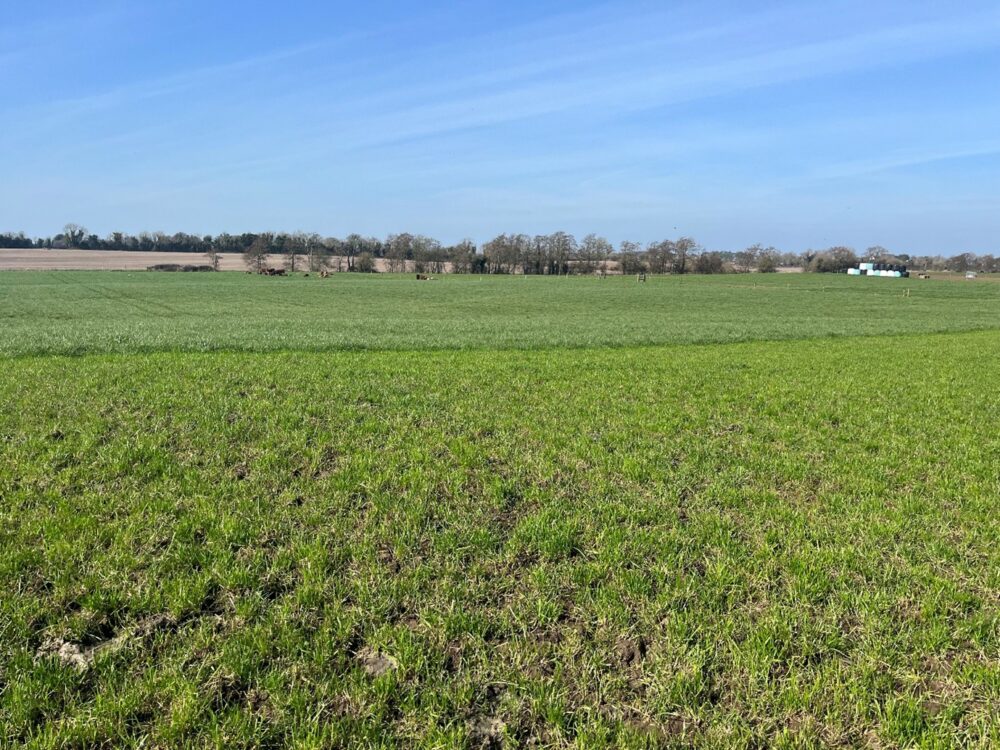
Figure 3: Re-growths on a paddock that was grazed 3 days previous
Silage ground was grazed and is now closed up for cutting in early to mid May, including the red clover silage which was grazing in the autumn.
Michael’s local advisor Aine has also updated his nutrient management plan with his recent soil sample results so that he can plan for how much fertiliser to buy for 2026, while keeping within his nitrogen and phosphorus limits.
Michael weighed the 2025 born cattle on 24th February. The 11 bullocks averaged 431kg and gained 0.49 kg/day after outwintering on the forage crop since 25th November. Their lifetime ADG is 1.06kg/day.
The 14 heifers averaged 380kg and they gained 0.39 kg/day over the same period, with a lifetime ADG of 0.95kg/day.
While the cattle have gained up to 0.97kg/day during their outwintering period in the past, Michael noticed that this winter was much wetter and colder than previous years. It was only a temporary measure until he built a slatted shed to house them and after receiving the planning permission exemption he will be progressing with it this year. He found it laboursome feeding them ration and moving the round feeder over the winter and it cost him at least 1 hour per day, excluding the time spent sowing the crop and stacking bales throughout.
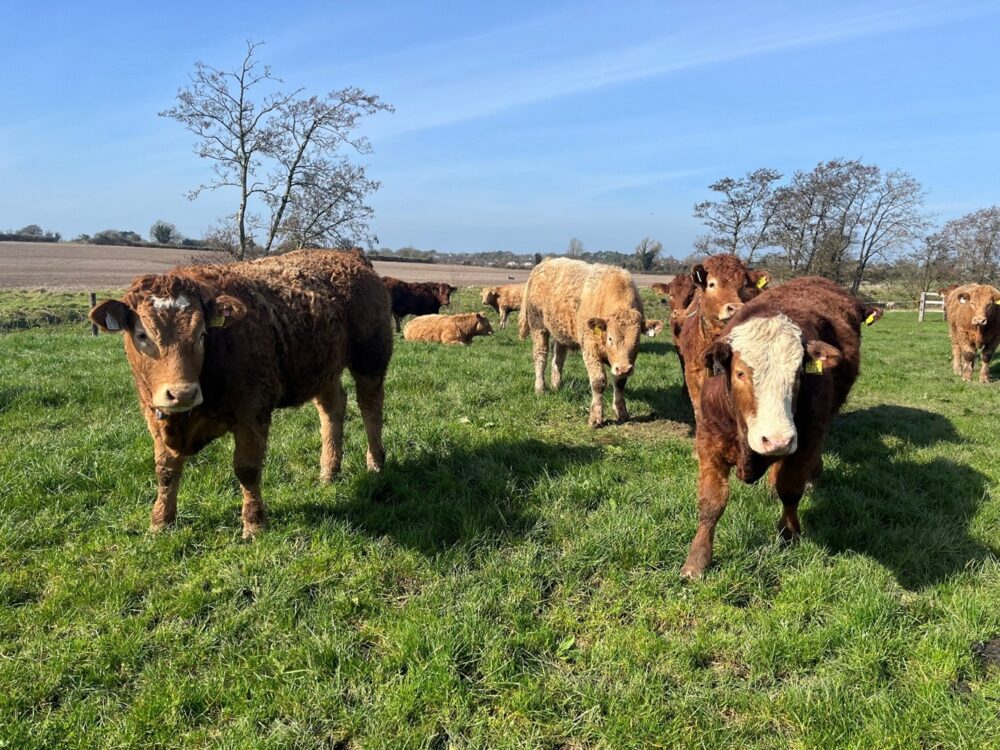
Figure 4: The 2025 born cattle are now at grass full time