
Why buying the right stock bull matters
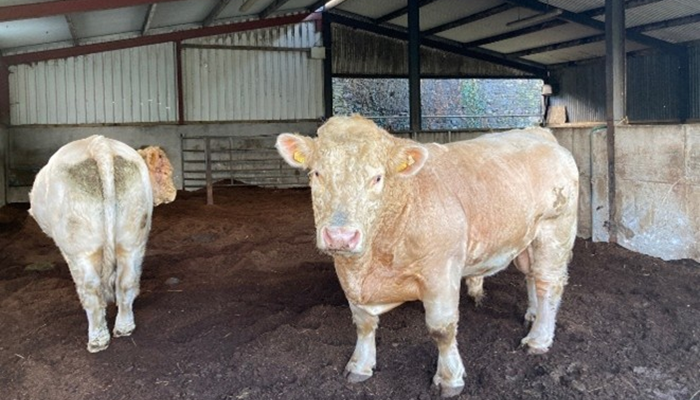
As the breeding season approaches, many farmers are turning their attention to one of the most important investments they will make this year - purchasing a stock bull. Enda Maloney, Teagasc Drystock Advisor, discusses the key considerations in selecting the right bull for your herd.
While it may be tempting to focus on price or appearance alone, choosing the right bull requires careful planning and informed decision-making. After all, a stock bull can contribute up to 50% of the genetics in your herd, meaning the impact of this purchase will be felt for years to come.
The first and most important question any farmer must ask is: what type of bull do I need? This depends entirely on your breeding system. If your goal is to produce calves for sale or slaughter, a terminal bull with strong growth and carcass traits is the best option. On the other hand, if you are breeding replacement heifers, a maternal bull with good fertility, milk, and longevity traits is essential. Some farmers may opt for a balanced bull that offers a mix of both qualities, but having a clear objective from the outset is key.
While visual assessment remains a popular method of selecting a bull, it should never be the only factor considered. Physical traits still matter greatly, however. A good bull should have strong conformation, showing adequate length, depth, and width without being overly heavy in the shoulders or hindquarters, which could lead to calving difficulties. Pay close attention to how the bull moves – sound legs and a free, easy stride are vital indicators of long-term durability.
Feet are another critical area. Signs of excessive hoof trimming may indicate ongoing issues that could become a recurring problem on your farm. Similarly, fertility must not be overlooked. Always check that the bull has two evenly sized testicles, free from lumps, and that they meet the recommended size for his age. Temperament is equally important; a calm, manageable bull is not only safer to handle but will also integrate more easily into the herd.
In addition to physical checks, farmers today have access to valuable performance data. Breeding indexes can provide insight into a bull’s genetic potential. Ideally, aim for a bull with a high star rating in the traits that matter most to your system. Reliability is also crucial – higher reliability figures mean greater confidence that the bull will perform as expected. Particular attention should be paid to calving difficulty, especially if the bull will be used on heifers, where lower figures are essential to reduce risk.
Timing is another often overlooked factor. Purchasing a bull well in advance of the breeding season allows time for the animal to settle into his new environment. Many bulls sold at sales are on high levels of concentrate feeding, so it is important to gradually adjust their diet and build up their fitness before they are expected to work.
Ultimately, buying a stock bull is a long-term investment in the future of your herd. Taking the time to plan, assess, and select carefully will pay dividends in improved performance, easier management, and better profitability in the years ahead.