

Breeding
Calving has progressed very well on Shane’s farm this year. The first heifer calved on 14th February and 39 calves have been born since then until 14th April. Despite a few difficult calvings from the Charolais stock bull with cows that went over their due dates, only one calf was dead at birth. With only 1 cow left to calve, Shane expects to be finished calving by the end of April and is very happy with this year’s crop of calves.
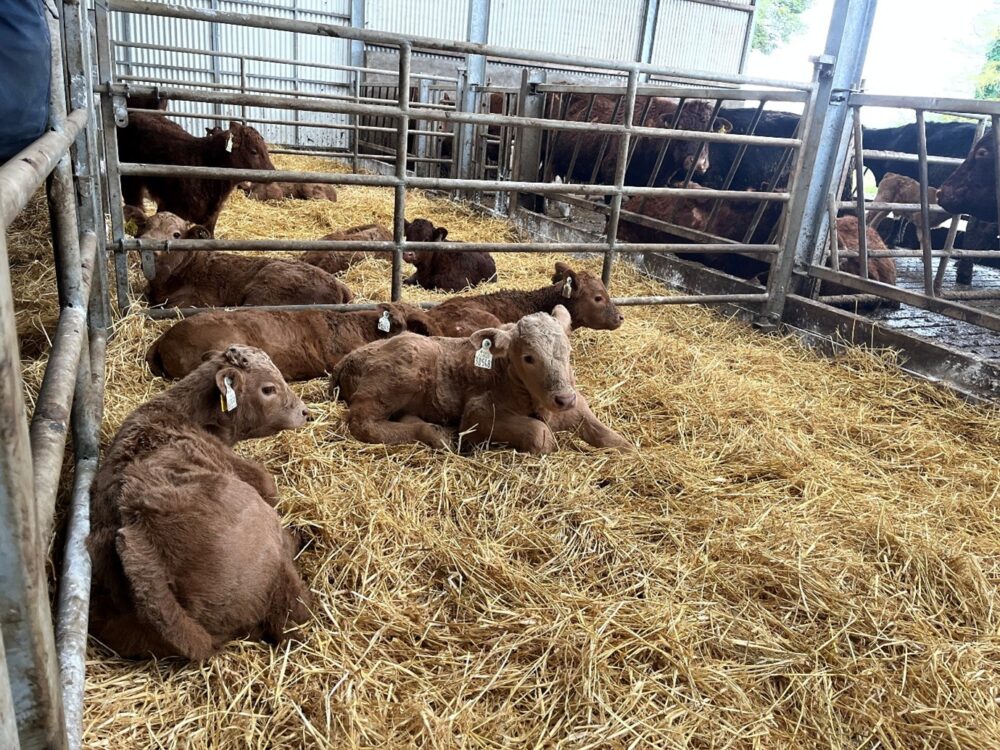
Figure 1: The youngest calves born on the farm
Any cows that had difficult calving were injected with a nonsteroidal anti-inflammatory (Rheumocam) to help relieve any pain, and the calves also received a shot too. The bigger calves were also given a multimineral injection to help get them suckling, particularly if they were slower to stand and feed.
All breeding stock, including the two stock bulls, have been vaccinated against bluetongue (BTV-3). They were given 2x1ml doses, 3 weeks apart and immunity will develop ~3 weeks after the second dose. Shane was keen to ensure they were vaccinated before the breeding season in May, which coincides with the risk period for the spread of the disease. While there are fewer clinical signs in cattle in Ireland to date than in Europe, infertility remains the biggest concern if there is an outbreak in the herd. It can be transferred 3 different ways:
- Midge transmission – the main route of infection. A midge bites an infected animal and the virus replicated. After 4-20 days the midge is capable of infecting another animal.
- Semen transmission – infected bulls can spread the virus through semen.
- Transplacental transmission – the virus can pass from the dam to the foetus.
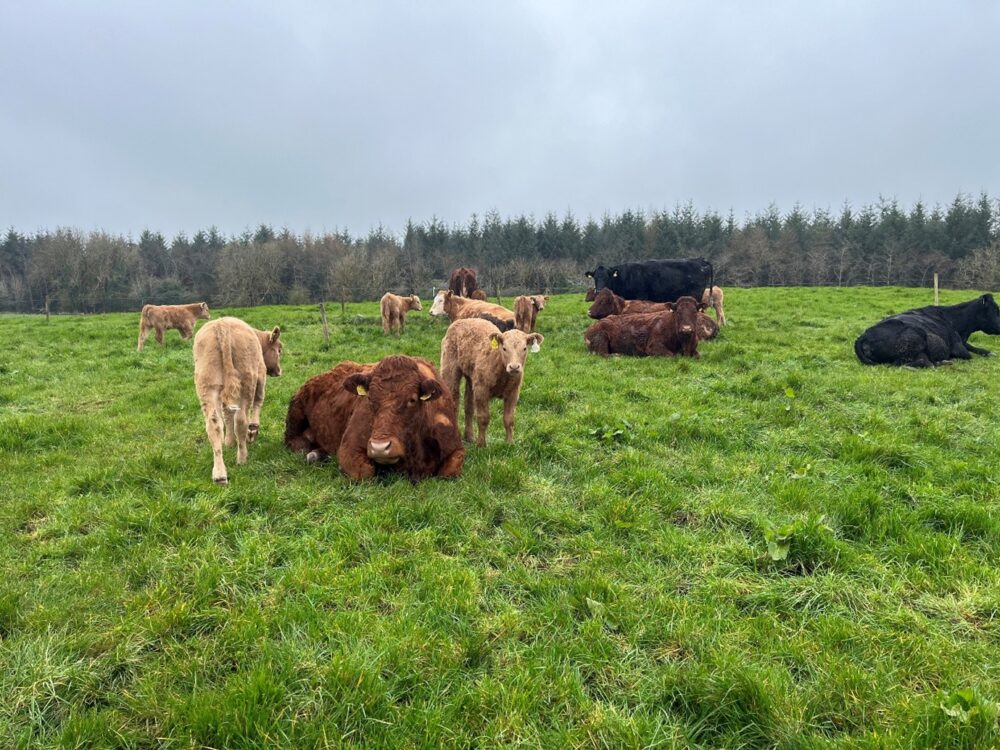
Figure 2: The oldest calves with cows at grass
Dairy Beef
25 dairy beef calves have arrived on the farm since the end of March. All were bought directly from 2 farms and Shane plans to buy over 30 calves again this year. They are provided with a dry, clean area which is well bedded with straw ad limed to prevent any disease. The first 10 calves to arrive were introduced to a coarse ration on day 1 as they had not been given any on their previous farm. As they spend less than 45 minutes travelling by trailer, there is less risk of dehydration than if they came from a mart.
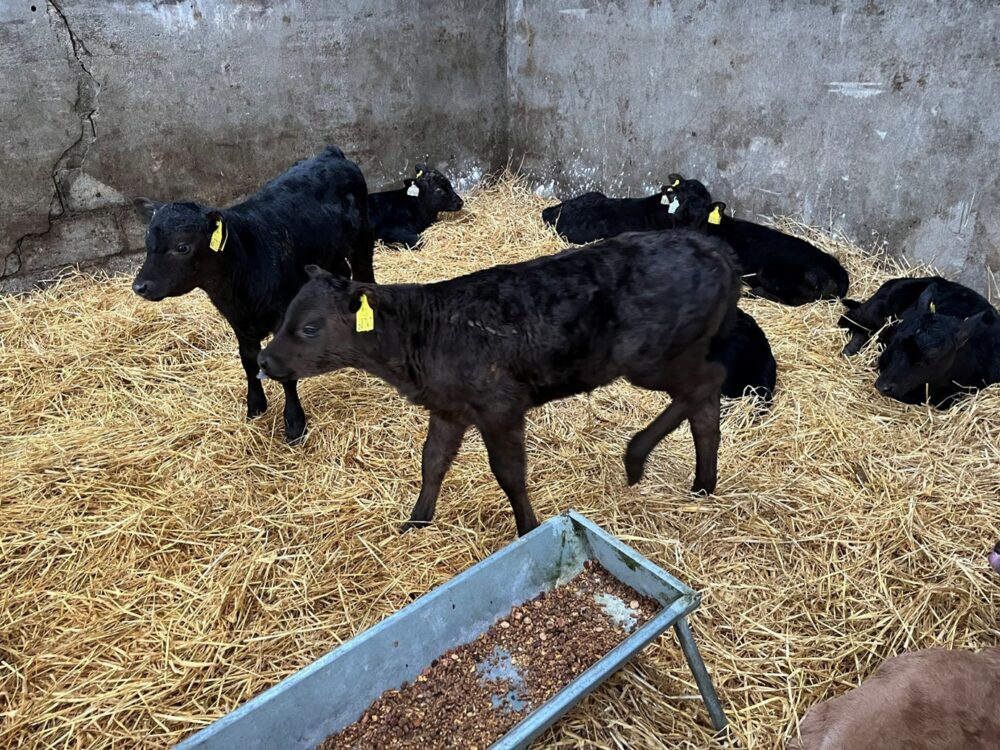
Figure 3: The first dairy beef calves to arrive
The calves are given 3 litres of milk replacer at half rate of powder on arrival as their evening feed. On the second day they are given 2 x 3L feeds and this will continue until they are at least 1 month old. When Shane and Grainne are happy that they are eating enough ration they will transition to once a day feeding to reduce labour. All the calves have been given a multimineral injection too.
Performance
The finishing bulls are eating 8-9kg of a 13% crude protein ration/head/day, along with red clover silage which is fed in a mix from the diet feeder. The heavier ones have been moved across to the slatted shed as the cows and calves have gone to grass, and the lighter ones were left on the straw bedded shed.
The finishing suckler bulls (15) were weighed on 4th February and averaged 455kg after gaining 1.57 kg/day since 29th December. The 7 bulls that remained in the straw bedded shed were weighed on 13th April and averaged 568kg, after gaining 2kg/day on average since 4th February.
The finishing dairy beef bulls (5) averaged 387kg on the 13th April and gained 1.53kg/day since 4th February.
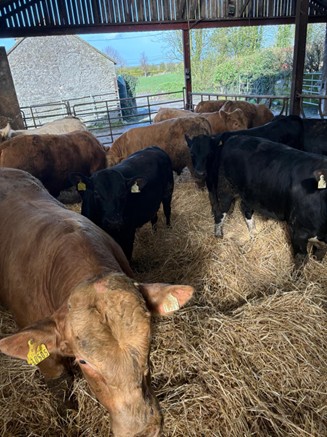
Figure 4: The suckler and dairy beef bulls in the straw bedded shed
The breeding heifers (8) weighed 345kg on 4th March and had gained 0.47 kg/day on average since 9th January. The dairy beef heifers (20) averaged 280kg on the same day and gained 0.33kg/day during the same time.
One heifer that was scanned in calf slipped an embryo and she was sold to the factory on 23rd March at 25.4 months. She was 248kg carcass weight and graded O=4-.