
How dairy farmers can ensure genetic progress
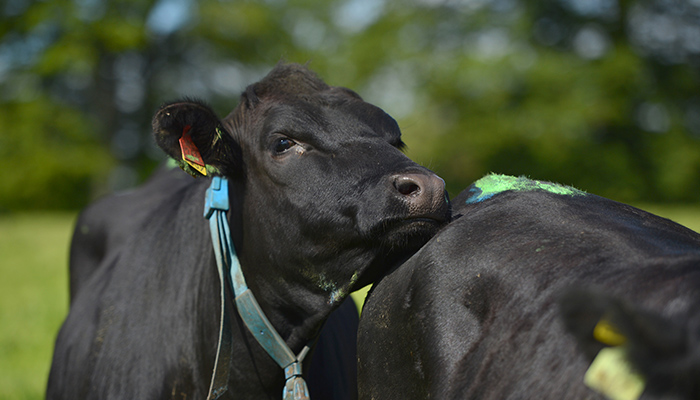
Fewer dairy bull calves is generally positive but presents a risk to genetic gain that will need to be managed. Stuart Childs, Teagasc Dairy Specialist, tells us more.
I was enthralled recently by the epic match between France and England to decide the outcome of the 2026 Six Nations championship. The game was one for the ages, with Thomas Ramos, the French ‘kicking machine’, landing a penalty right at the death to hand the French the victory required to see them crowned champions.
What has this to do with dairy bull breeding in Ireland though? Well, breeding is a numbers game and France has a population of 68.6m people, so its level of choice is far greater than here on the island of Ireland, where we can only select from 7.1m. Put simply, they have a better ‘pick’. The odds of France having a better team than us is always higher, due to the numbers they can choose from.
In recent years, due to the numbers that they can choose from, the widespread adoption of sexed semen has allowed farmers to generate replacement calves from their highest genetic merit animals. This increases the genetic potential of the replacement heifers, as well as enabling greater use of beef genetics across the remainder of the herd. This is great for herd management and profitability at farm level, but it could have negative implications for the future of genetic gain in the national dairy herd.
On the one hand, the reduction in the numbers of low-value dairy bull calves is good for both the farmer and the beef industry. However, an emerging concern is the associated reduction in the number of elite dairy male calves that are now available for AI bull selection.
If farmers do not actively work with AI organisations to breed the next generation of elite sires, the long-term genetic progress of the total dairy herd is likely to slow, as the number of bulls to choose from will be reduced.
Structural changes in the AI industry
The increased use of sexed semen is already altering the structure of the AI industry. Several trends are emerging:
- Reduced use of conventional dairy semen
- Increased use of beef semen in dairy herds
- Concentration of dairy breeding on elite females
- Higher demand for a smaller number of top-performing sires
However, the supply of future elite bulls depends on the availability of high-quality male calves from genetically superior cows. AI companies have always selected elite bull calves from the large population of males born to dairy cows each year. A smaller male calf population reduces the selection pool and may limit the availability of the very best genetic individuals.
The issue becomes particularly acute when the highest genetic merit cows are being bred almost exclusively to produce female replacements. In such cases:
- Elite cows may only produce heifer calves
- Potentially outstanding bull calves are never born
- The genetic pipeline for AI sires becomes narrower
Over time, this will slow the rate of national genetic gain if not managed.
Importance of farmer participation in bull breeding programmes
To maintain strong genetic progress, AI organisations rely on farmers to breed elite bull calves from the very best females in their herds. These calves form the foundation of the next generation of AI sires.
Traditionally, AI companies have collaborated with selected herds through structured programmes where:
- Elite cows are bred to carefully selected sires
- Male calves from these matings are evaluated as potential AI bulls
- The most promising individuals enter progeny testing programmes
Active engagement and collaboration between farmers and AI organisations is becoming more important than ever. Farmers who possess genetically elite females are in a position to contribute to the national breeding programme. By allocating some of these cows to conventional dairy semen matings specifically designed to produce bull calves, they can help to deliver a continued supply of dairy genetics.
Ultimately, it’s a numbers game. 100,000 bull calves need to be screened each year to get the top 0.1%. The alternative is that we screen less but select from the top 10% instead. This will slow the rate of genetic gain nationally. To continue with a sporting analogy: not every minor goes on to play senior. Calves that show significant potential may not make the grade. This can be for several reasons, such as infertility, TB, or they may die during the rearing phase and never get to produce semen at all.
This is not just an Irish phenomenon; it is happening globally. However, the difference in Ireland is that the power is in farmers’ hands. Farmers are the owners of the Irish breeding programmes, unlike other countries where commercial companies may either currently own or are trying to acquire breeding programmes so they can control the future direction to their advantage.
Conclusion
The growing adoption of sexed semen represents a major technological advancement for the Irish dairy industry. It allows farmers to improve herd genetics more efficiently, increase the value of surplus calves through greater use of beef sires, and facilitates better replacement heifer management. However, this shift also has important implications for the wider breeding industry. The reduction in conventional dairy inseminations and the resulting decline in dairy male calf numbers will limit the supply of elite bull calves required by AI breeding programmes.
If farmers and AI organisations don’t work together to maintain a sufficient pipeline of genetically superior males, the long-term rate of genetic gain in the Irish dairy herd will be compromised.
Ultimately, the continued success of Ireland’s dairy breeding programme will depend on maintaining a balanced approach—one that captures the benefits of sexed semen while ensuring that the next generation of elite AI sires continues to be produced from the very best cows in the national herd.
Unlike the Irish team, who could only look on as France clinched the championship with that Ramos kick, Irish farmers can control their own future by partaking in contract matings when requested and driving the potential for the future of breeding in Ireland.
So, if you have been contacted by one of the AI companies about breeding a potential future elite bull calf, follow up with them ahead of the breeding season to ensure that you have the straws required when that cow or heifer is presented for breeding. While the odds aren’t hectic, the payback, if successful, will be worth it.