
Dairy calf-to-beef course – invest in yourself
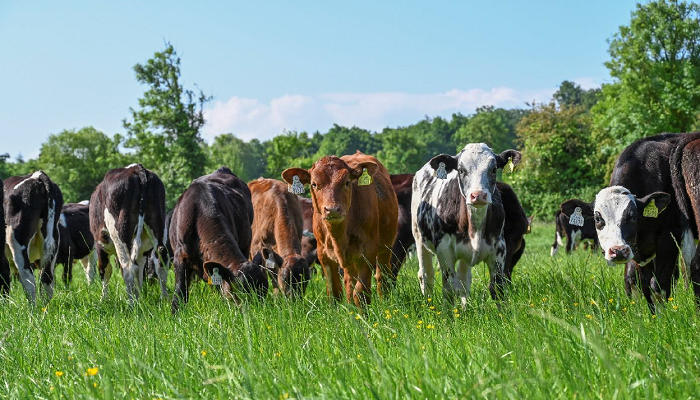
A course for new entrants and a new manual on all aspects of dairy calf-to-beef systems could help boost your profits. Alan Dillon, Teagasc DairyBeef500 Campaign Manager, tells us more.
Dairy-bred calves now make up over 60% of beef processed. While dairy calf-to-beef systems can be highly efficient and profitable when well-managed, they demand strong technical ability, careful financial planning and close attention to detail.
To support farmers entering this sector, and those already in it, Teagasc has developed the Dairy Calf to Beef New Entrant Course, a targeted programme designed to equip participants with the knowledge and confidence to build environmentally sustainable and profitable systems.
Dairy calf-to-beef production differs in important ways from traditional suckler systems, with success depending heavily on achieving excellent performance in the first 12 months. Calf quality, health status and genetic merit all influence lifetime performance, and poor decisions in the first few weeks of the calf arriving on farm can have lasting consequences.
The Teagasc course places strong emphasis on understanding calf sourcing and selection, helping participants identify animals with the potential to meet processor specifications for carcass weight, conformation and age at slaughter by using the Commercial Beef Value (CBV).
Developing relationships with dairy farmers and encouraging dairy farmers to gain a greater understanding of the beef merit of beef bulls within Dairy Beef Index (DBI) are also explored, ensuring a more consistent and predictable supply of suitable beef calves.
Calf rearing
Calf rearing is the foundation of dairy calf-to-beef profitability. Achieving target liveweights at weaning and maintaining steady daily gains through the first grazing season are critical to finishing animals efficiently at 20 – 24 months with low meal input.
The course covers best practice in milk feeding systems, concentrate introduction and rumen development, alongside practical guidance on housing design, ventilation and disease prevention.
Health planning, including vaccination protocols and biosecurity measures, is addressed in detail, as reducing mortality and underlying health issues in calves has a direct impact on financial performance.
Grass
Grazed grass remains the most cost-effective feed available, and maximising its utilisation throughout the year, especially at the shoulders of the year, is central to maintaining margins.
Participants will develop practical skills in measuring grass supply, budgeting throughout the grazing season and implementing paddock grazing systems.
Soil fertility, reseeding strategies and extending the grazing season are also discussed. By improving grassland management, farmers can reduce concentrate inputs, increase liveweight gain from forage and enhance overall system efficiency. This element of the course is delivered in collaboration with the Teagasc Grass10 team.
Finance
Financial planning is integrated throughout the course. New entrants often underestimate the working capital required for calf purchase, feed, housing and labour before sale income is realised after around two years.
Through detailed budgeting exercises, participants assess cashflow requirements, capital investment needs and cost structures specific to their own farms.
Sensitivity analysis is used to test systems against changes in beef price or input costs, helping farmers understand risk and build resilience into their plans. Benchmarking performance and focusing on margin per head and per hectare allows participants to identify the key drivers of profitability within their chosen system.
The results of the Teagasc DairyBeef500 demonstration farm Profit Monitors will also be presented and discussed in detail.
Environment
The course highlights how reducing age at slaughter, improving feed conversion efficiency and optimising nitrogen use can simultaneously improve profitability and reduce environmental footprint.
Slurry management, nutrient planning and the role of high-quality forage are all addressed, reinforcing the link between good technical performance and environmental compliance.
Who is it for?
The Dairy Calf to Beef New Entrant Course is particularly relevant for:
- New entrants establishing a drystock enterprise
- Dairy farmers considering retaining calves for finishing
- Existing suckler or beef farmers evaluating a transition towards dairy-bred animals
For younger farmers seeking to build scale without the capital demands of a suckler herd, the system can offer flexibility and potential for strong output per hectare, provided it is carefully managed.
By combining technical training, financial planning and environmental awareness, the course ensures participants establish systems that are competitive, adaptable and aligned with market requirements.
In a sector where small changes in liveweight gain, mortality or grass utilisation can significantly influence margins towards profit or loss, informed management decisions make a substantial difference.
Calf prices have soared since March 2025 in Ireland, and the investment and risk/reward element of the enterprise is at a far greater level than before. The Teagasc Dairy Calf to Beef New Entrant Course provides that foundation, supporting farmers to build efficient, profitable and sustainable systems in an evolving industry.
First-hand experience
Dwayne Stanley, who farms near Thurles in Co. Tipperary, has a suckler herd but also buys 120 dairy-bred calves each spring and sells them on as steers to the factory around two years old.
Dwayne has recently built a state-of-the-art calf rearing shed benefiting from TAMS support. He says the course is not just for new entrants:
“I have done a fair few bits and pieces over the years and I thought that the course would be a revision of all that, but on each of the days I picked up something new. The course was brilliant, very practical and useful.”
When is it on?
The course is run over five individual days from late November until early summer. It includes visits to the Teagasc Grange Research Centre, DairyBeef500 demonstration farms and a meat processor. Three courses were run in 2025/2026 – one each in the North, South and West of Ireland – so farmers won’t have too far to travel.
The course expression of interest form will appear on the DairyBeef500 page of the Teagasc website in the autumn.
New Teagasc Dairy Calf to Beef Manual
The Teagasc DairyBeef500 team have recently launched a new Calf to Beef Manual for purchase. The manual complements the course and provides updated technical material following the lifespan of the calf from birth to slaughter. It was edited and written by the DairyBeef500 team and is an essential tool for farmers considering entering this enterprise to any degree.
It covers:
- Dairy calf-to-beef systems
- Sourcing calves
- Calf nutrition and health
- First and second grazing seasons
- First and second winter
The manual is farmer-friendly and includes timely tips for practical tasks with a strong focus on profitability. It is available now in local Teagasc offices at a cost of €50 per manual. You can order your copy at any Teagasc regional advisory office.