
Using liquid fertiliser safely: Simple steps to boost growth without scorch
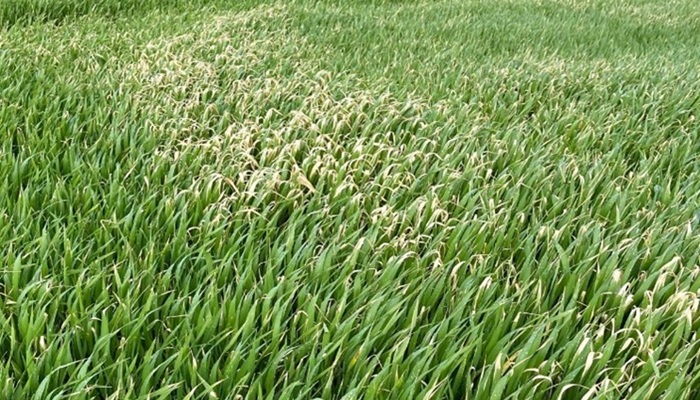
Liquid fertiliser is a highly efficient way to drive crop performance, writes Dr. Veronica Nyhan, Teagasc Soil and Plant Nutrition Specialist. When applied in the correct conditions, it is an effective alternative to granular nitrogen sources and can offer a lower nitrous oxide emission factor compared to CAN in certain systems.
However, poor application practice can lead to leaf scorch, particularly where nitrogen sits and concentrates on the leaf. Paying attention to conditions and technique is essential.
Application can be more flexible than often assumed. Liquid fertiliser can be applied when the crop is wet or in light rain, or even in dry conditions, provided other risks are managed. Avoid situations where the crop is just damp and drying or is frosted, as this can leave a smear of nitrogen on the leaf, increasing uptake and scorch risk.
Spraying in wind is not a problem where streams are not being deflected. However, once fine droplets begin to feather or drift, application quality drops and the risk of uneven coverage rises. Keeping forward speed slow and pressure low (below 2 bar where possible) helps maintain larger droplets and even distribution.
Early morning or evening applications are safest to avoid the heat of the day. Where large temperature swings (>20°C) are expected, applications should also be avoided.
For cereals, aim to complete applications by GS32 (second node detectable) and avoid applying to the flag leaf or leaf two, where scorch can directly impact yield.
Sequencing matters with liquid nitrogen. Apply the fertiliser first, followed by agrochemicals, leaving at least a 2-day gap. Applying fungicides first can soften or de-wax the leaf surface and increase nitrogen uptake, raising scorch risk. Where agrochemicals are applied first, leave at least 5 days to allow the leaf recover.
Getting these details right ensures liquid fertiliser works for the crop, not against it.
For more on a farmer’s experiences of using liquid nitrogen, read an article from Today’s Farm here.