

Calving is almost complete with two late ones still to calve, and overall it has gone well. We had no calf losses although one calf broke its leg, but she is recovering well after receiving a cast.
Cows were housed longer than expected this spring due to weather conditions. However, herd health was very good throughout the calving period.
I believe using the Rotavec Corona vaccine played a major role in this, with no calf scour issues on the farm this year. I use plenty of straw bedding and cows had plenty of good quality colostrum, I always feed 0.5 kg soya/head/day alongside silage for three weeks pre calving, but I still feel the vaccine is worthwhile, particularly in springs when stock have to remain housed for longer than planned.
Cows are also vaccinated for IBR one month pre-calving, which I think helps reduce respiratory problems while animals are housed.
I don’t vaccinate my calves for pneumonia until the autumn, pre weaning.
Key Take Home Message
A strong vaccination programme around calving continues to deliver healthier calves and fewer disease setbacks.
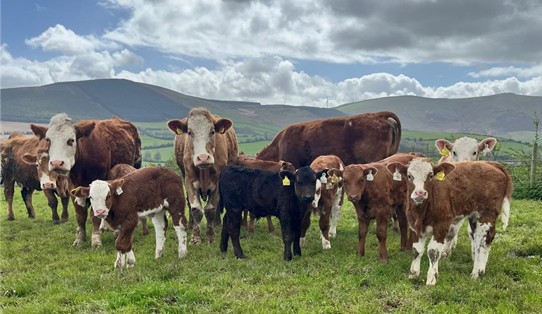
Photo 1: Selection of calves born in Spring 2026
Turnout and Preparing for Breeding
Silage stocks were tight this spring, so I was glad to get the final groups turned out to grass in late March.
The maiden heifers were first to grass in early March and were moved to sheltered paddocks at the back of the farm. This helped preserve stronger covers closer to the yard for cows with calves and the sheep flock.
As I calve heifers at 24 months of age, they need to be on target to reach 60% of mature bodyweight by 10 May, when breeding begins, for me that’s 400kg +.
Early turnout also helps ensure they are cycling before breeding starts and ideally have one or two heats completed beforehand.
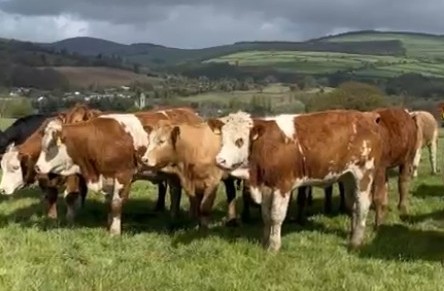
Photo 2: Selection of maiden heifers to be bulled in May
First-calving heifers were the next priority group for turnout. These animals have the greatest nutritional demand as they are:
- Still growing
- Feeding a calf
- Regaining body condition
- Preparing to go back in calf
Good-quality grazed grass is the cheapest and best feed available to help meet these demands.
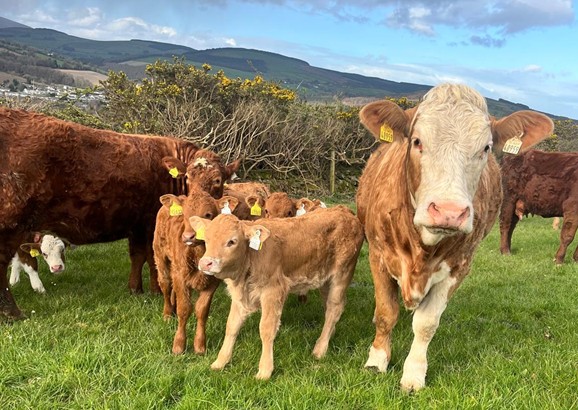
Photo 3: Heifers that calved at 24 months and their calves
Breeding Season Begins 10 May
The stock bulls will begin work on 10 May, with the aim of maintaining a compact calving season beginning again in mid-February next year.
Having cows settled at grass and on a rising plane of nutrition before breeding should help drive strong submission and conception rates.
Mineral testing has shown deficiencies in:
- Selenium
- Iodine
- Copper
To address this, all cows and heifers receive two mineral boluses pre-breeding.
Bluetongue Vaccination Decision
Given our location on the east coast, I felt it was important to act early on Bluetongue vaccination.
I have spent many years breeding the type of cow I want in the herd, and I was not willing to risk potential fertility losses if the disease becomes an issue.
The timing of vaccine availability created some extra work, with cattle and sheep in separate groups requiring two doses, but protecting fertility is worth the effort.
AI Programme Delivered Results
Last year I synchronised the heifers and used fixed-time AI with easy-calving Limousin sires:
- Grenache – 6.45% Beef Heifer calving difficulty
- Powerful Proper – 7.34% Beef Heifer calving difficulty
Importantly, both bulls had very high reliability figures of 97% and 99% on beef heifer calving difficulty when means I can be sure of an easy calving.
The synchronisation programme worked very well. Heifers calved early, calved down easily and were turned out to grass in small groups. I am going to repeat the synchronisation programme again this year, so the first call is to the AI technician to get the date he can inseminate them and I will work back from there.
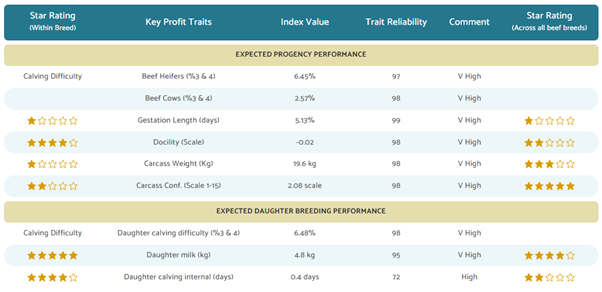
- Table 1: Figure for Grenache
Stock Bulls Prepared for Breeding Season
I have three stock bulls for the upcoming breeding season — two Simmental bulls and one Limousin bull.
To prepare them for work, all three bulls were turned out to grass early to help acclimatise them, improve fitness and ensure they are ready for the breeding season ahead.
They were turned out together as one group. To help reduce fighting and dominance issues, the bulls were drenched in vinegar before turnout. After an initial few hours of sizing each other up, they settled well.
All three bulls are now:
- In good health
- Moving freely
- Eating well
- Vaccinated for Bluetongue
This early management should help ensure bulls are fit, fertile and ready for a busy breeding season.
Bull Team for 2026
| Replacement index | Terminal index | Calving difficulty
(%) |
Carcass
|
Milk
|
Daughter calving interval | Docility | Age at finish | ||
| (€) | (€) | Heifers | Cows | (kg) | (kg) | Days | Stars | Days | |
| Leo (SI) | 96 | 108 | 7.8 | 3.4 | 29.2 | 5.1 | 0.77 | 5 | -4.56 |
| Superstar (SI) | 166 | 103 | 8.2 | 3.2 | 27.1 | 7.70 | -2.92 | 4 | -3.68 |
| Trevor (LM) | 146 | 131 | 9.1 | 3.9 | 26.4 | 5.6 | 2.82 | 5 | 2.92 |
As mentioned earlier, I have spent the last 15 years breeding the type of cow that suits my system. I want a functional, fertile cow that can rear a strong calf each year while also having a good cull value at the end of her productive life.
The key traits I focus on when selecting bulls are:
- Carcass weight
- Milk
- Daughter calving interval
- Docility
My target figures are 18–20 kg for carcass, 8 kg+ for milk, and ideally a negative daughter calving interval to help achieve the goal of one calf per cow per year.
The Limousin bull was purchased to introduce more conformation into the bull beef system, while also maintaining milk in the herd. The first of his daughters will be bred this year, so it will be interesting to see how they perform.
Leo is the older Simmental bull. While his figures have reduced somewhat in recent evaluations, he remains a three-star bull and continues to leave excellent calves. However, as I am in SCEP, maintaining star ratings is important, so Leo will be sold after this breeding season.
The newest recruit, Superstar, is a young Simmental bull with strong figures for milk, good carcass traits and, very importantly for my herd, a -2.92 day daughter calving interval, which should help drive fertility performance into the future.
Excellent Young Bull Performance
I am exceptionally happy with the finishing bulls this year.
More focus was placed on forward creep grazing last autumn and building meal levels before housing.
Bulls were vaccinated and dosed one month pre-housing. EasyWean nose paddles were also used this year, reducing stress significantly at weaning and housing.
They are currently on:
- 9 kg concentrates/head/day
- Straw ad-lib
At the last weighing they were achieving 1.6 kg liveweight gain/day.
They are a very even bunch and hopefully beef price will remain strong when they are fit for slaughter in late May or early June.
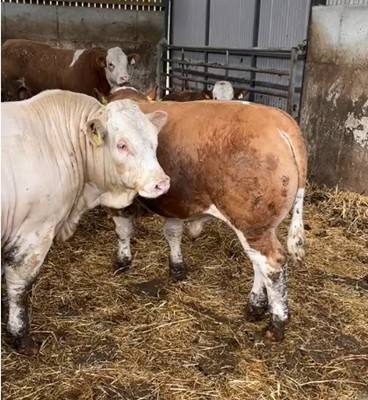 Photo 4: Under 16 month bulls in April 2026
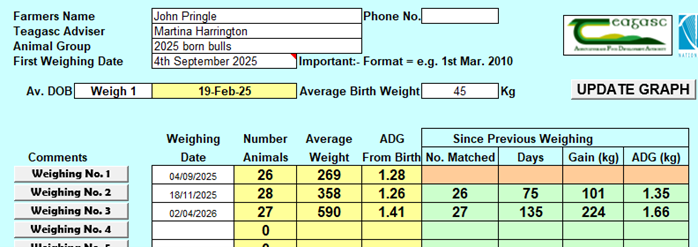
Table: Weighing profile for 2025 born bulls
Ground conditions have improved well and there is a strong cover of grass across the farm.
I know fertiliser is expensive, but grass is still the cheapest form of feed available. I have a big demand for grass now, with both cattle and sheep at grass and silage ground closed. Fertiliser applied so far includes:
- 10 March: 0.5 bag/acre protected urea (46%) blanket spread
- April: 1.5 bags/acre 18-6-12 + sulphur
- May: plan of another half bag of pro urea across the whole farm
Much of the farm is low in phosphorus, so compound fertiliser remains important this spring.
I also spread 140 tonnes of lime last year, and I believe the response is clear, with more grass grown this spring than ever before.
Silage ground is now closed and has received:
- 2,500–3,000 gallons slurry/acre
- 1 bag protected urea + sulphur
The aim is to cut first-cut silage by 25 May.
Focus for the Next Month
My priorities over the coming weeks are:
- Achieving strong conception rates
- Monitoring bull activity and performance
- Maintaining grass quality ahead of peak growth
- Building silage stocks early
- Finishing bulls at optimum weight and price