
Nematodirus in lambs
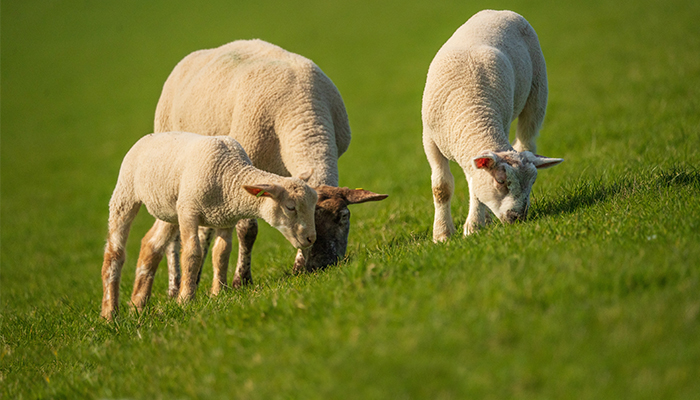
Focused on the peak hatching period, clinical signs and treatment options, Dr. Orla Keane, Senior Researcher in the Animal & Bioscience Department in Teagasc, shares key advice on controlling Nematodirus in lambs.
Nematodirus is an intestinal worm that causes disease in young lambs. It usually affects lambs between 6 and 12 weeks of age. It is a lamb crop to lamb crop disease, i.e. the Nematodirus worm larvae that are picked up by this year’s crop of lambs are hatched from eggs that were deposited by last year’s lambs.
When the weather conditions are favourable, there is synchronised mass hatching of Nematodirus eggs, with lots of larvae then available to infect naïve lambs. When this hatch coincides with a time when lambs are beginning to consume significant amounts of grass, it can result in severe disease including damage to the gut that may prevent the lambs from thriving in the future.
Signs include sudden onset of scouring, dull and depressed lambs that may stop suckling, dehydration and weight loss. Lambs may gather around water troughs due to dehydration, while ewes are unaffected. Nematodirus can occur at the same time as coccidiosis and the diseases are easily confused.
As Nematodirus is a lamb crop to lamb crop disease, grazing lambs on pasture that was grazed by lambs last year is a risk, albeit a risk that is difficult to avoid. Lambs consuming more grass such as those being reared as twins or triplets or lambs from ewes with poor milking ability will also be at increased risk, as will lambs under stress due to other diseases such as coccidia.
The Department of Agriculture, Food and the Marine in collaboration with Met Éireann produce a Nematodirus forecast each year that predicts when peak hatching of Nematodirus will occur around the country and when lambs should be treated. This year, the peak hatch was predicted to be in late March for much of the west coast and early April for the rest of the country.
The Nematodirus forecast is available to view here.
Treatment
Lambs should be treated approximately two weeks after the peak hatch. The recommended treatment for Nematodirus is a benzimidazole (white wormer) anthelmintic. While resistance to white wormers is common among other gut worms, it is rare in Nematodirus.
On some farms two treatments for Nematodirus may be needed, for example if lambs are treated too early before the hatch or in mixed age groups where younger lambs may not be eating significant quantities of grass at the time of the initial treatment as no wormer has persistent activity against Nematodirus.
By the time lambs are about three months of age they usually have developed sufficient immunity and do not require further treatment for Nematodirus. Faecal egg counts are of limited value for Nematodirus as the larval stage of the parasite can cause significant damage before any eggs are produced.
For further insights on parasite control in sheep, visit here.
More from Teagasc Daily: Understanding coccidiosis in lambs