Animal Health
- Calving 2026 has started
- Hygiene practices at calving
- Video of facilities & equipment used on the farm
Calving began in mid-February and despite challenging weather conditions, the calving season is progressing smoothly. For Wesley, health and hygiene are the foundations of a successful calving season. Disease prevention not only protects calf performance but also safeguards cow fertility and overall herd productivity.
Here are the key measures implemented on the farm:
1. IBR vaccination – All cows and in-calf heifers are vaccinated against Infectious Bovine Rhinotracheitis (IBR) pre-calving to reduce disease risk.
2. Tail clipping – Tails are clipped before calving to improve cleanliness and reduce contamination in calving pens.
3. Well-bedded calving pens – Pens are generously bedded with fresh straw to ensure comfort and minimise infection risk.
4. Naval dipping – Calves’ navels are dipped with iodine immediately after birth to prevent joint ill and infection.
5. Early colostrum intake – Every calf receives at least 2 litres of colostrum within two hours of birth, preferably for Wesley by natural suckling rather than stomach tubing.
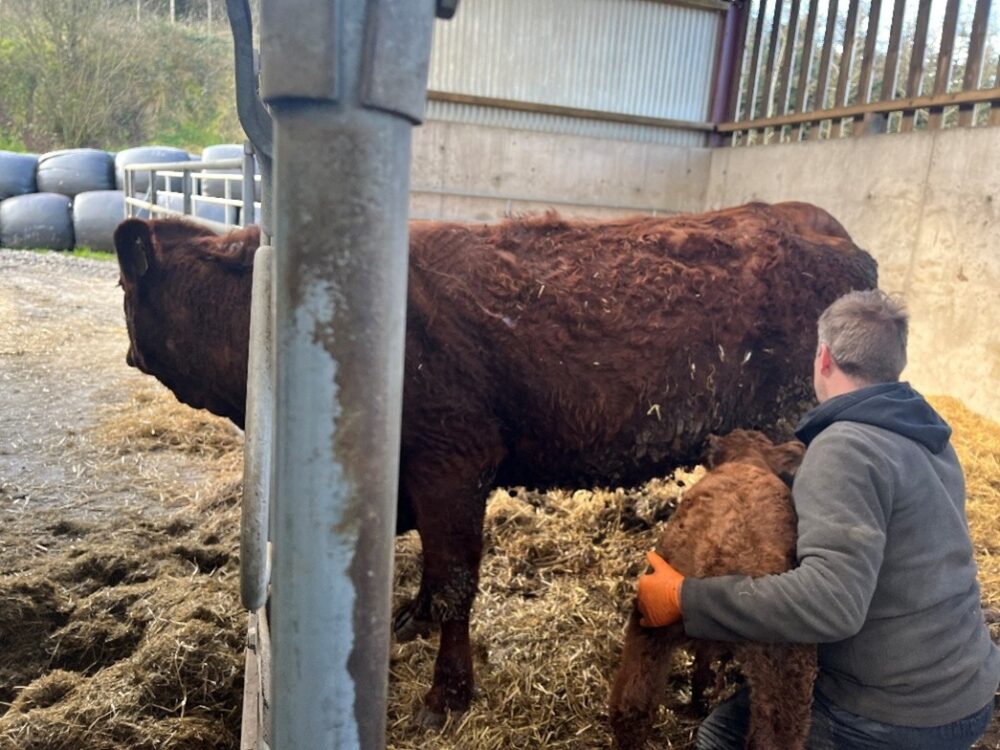
Figure 1: Good facilities allow Wesley to help calves suck when necessary
6. Pen sanitation – Calving pens are cleaned, disinfected, and freshly bedded between calvings.
7. Clean calving equipment – Equipment is kept clean and hot water is readily available when needed.
8. Personal hygiene – Wesley wears gloves daily during calving to reduce disease transmission.
9. Visitor biosecurity – Boot disinfectant and handwashing facilities are available to minimise disease risk from visitors.
10. Early turnout – Calved cows and calves are turned out to sheltered paddocks within 24–48 hours, weather permitting, reducing pressure on housing and improving animal health.
Watch the video below, where Wesley Browne provides an in-depth overview of his calving facilities, equipment, and hygiene practices on his farm.
Wesley presented at the AgriSearch Beef Conference “Beefing Up Performance – Driving Productivity and Profitability,” which took place on Tuesday 27th January 2026 at the Seagoe Hotel, Portadown. His topic was ‘optimising the use of forage to drive productivity and profitability’.
You can watch the presentation back here:
The under 16 month bulls (41) are being fed 7.5kg of a 12% crude protein ration along with 77% DMD silage per head per day. They were weighed on 3rd February and averaged 448kg, gaining 1.44kg/day since 24th November. Their lifetime average daily gain is 1.28 kg/day since birth which is 0.04kg/day ahead of the same time last year. Their average date of birth is 22nd March so they are on target to reach 500kg by 12 months of age.
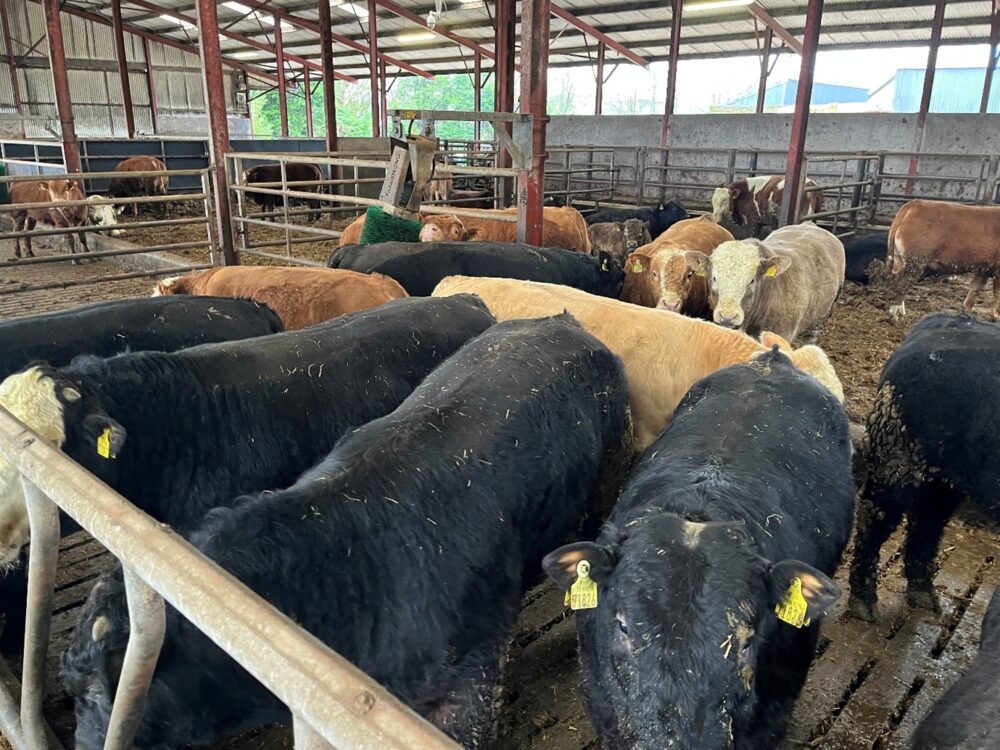
Figure 2: The heaviest 2025 born bulls
The heifers (33) are eating 2.5kg of a 14% crude protein ration per head per day, while the cull cows are on 3kg/head/day.
The heifers averaged 352kg on 3rd February after gaining 0.85kg/day since 23rd December. Their lifetime performance is 1kg/day since birth, which is 0.05kg/day ahead of the same time last year.
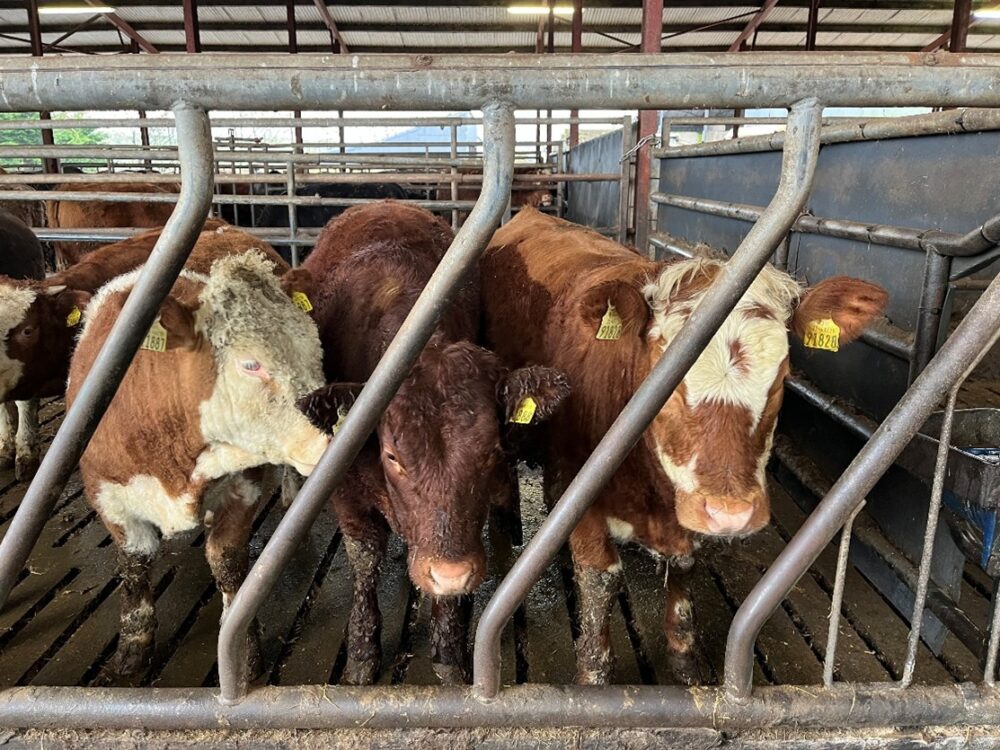
Figure 3: Last year’s heifers have exceeded their target 0.6kg/day over winter
Three cull cows were sold live on 24th January, with the remainder to be sold by the end of February. Five heifers were also sold live on 10th February for breeding.