
8 steps to keep dairy-beef calves performing at grass
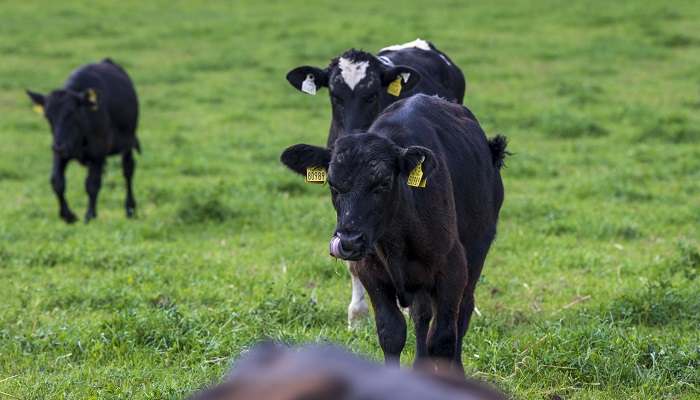
Having largely being turned out to grass, a priority is to ensure dairy-beef calves continue to perform over the first grazing season. In this article, the Teagasc DairyBeef 500 team share 8 steps to keep calves performing.
Maintaining calf performance at grass centres on doing the basics well in terms of grassland management, concentrate supplementation, health planning and observation. Hitting growth rates in the first grazing season leads to easier to finish, more efficient and profitable systems.
In the below video, DairyBeef 500 Manager, Alan Dillon discusses the key factors in maintaining dairy beef calf performance at grass during the first grazing season:
1). Weight gain targets
For spring-born, dairy-beef calves, the target daily liveweight gain is 0.7 to 0.9kg per day. If calf performance drops below this, it is usually a sign that something is wrong and needs attention. The key is to recognise this early and act fast before performance dips too far.
The first grazing season is hugely important as it sets the foundation for future performance. Calves should be growing consistently from turnout to housing, with no major setbacks.
Once growth is reduced, it’s hard to fully make it up later in the year. Maintaining growth rates will leave you with heavier animals that are easier to manage, finish earlier and deliver better overall profitability.
2). Grass quality
Grass is your cheapest feed available and calves perform best on leafy, digestible grass swards rather than heavier, stemmy covers.
Aim to graze covers of 1,000 to 1,200kg DM/ha. This helps to increase intake and performance. Paddocks should be grazed out well without forcing the calves to be hungry for too long, and calves moved regularly (every two to three days) onto fresh grass. It’s a balance; too little grass will limit intakes, while too much reduces quality and utilisation. Getting this right is one of the biggest drivers of performance.
3). Meal feeding
While grass will do most of the work and will make up most of the diet, there are times when it’s not enough and concentration supplementation is necessary. Poor weather, tight grass supplies or a drop in quality can all hit performance.
During periods of poor weather, grass intakes can drop quickly and calves may struggle to achieve target weight gains. Feeding 1 to 2kg of concentrates per head per day can help keep performance on track and a short period of meal feeding may prevent a bigger set back later on.
4). Water and minerals
Calves need constant access to clean, fresh water. Even on lush grass, their water requirement is high and any water restriction will affect intake and growth.
Minerals are another key area that should not be overlooked. Deficiencies won’t always be obvious, but they can impact thrive. Mineral supplementation options include boluses, oral drenches or injections. Ensuring calves receive adequate minerals will support both growth and overall health.
5). Parasite control
Parasites are one of the most common causes of poor performance at grass and the damage often occurs before obvious clinical signs appear.
A clear dosing plan should be in place from the start, developed in consultation with your vet. Faecal egg sampling can help aid decisions, but regular monitoring and observation is essential.
Watch for warning signs like coughing, reduced appetite or calves going backwards. Trust your eyes and ears. If you hear coughing and/or see evidence of poor thrive, it is essential to act early and treat the calves. Delaying treatment will result in lost performance that is difficult to regain and can be costly.
6). Monitoring
Healthy calves should be content, actively grazing and showing good thrive. Any change in behaviour or performance should be investigated. When performance drops, look at the basics – grass quality, feed supply, health and weather. Act quickly to address the issues. Small delays at this stage can lead to bigger losses over the remainder of the grazing season.
7). Weigh and monitor performance
Regular weighing is a useful tool and one of the most effective ways to track performance. At a minimum, weigh calves at turnout, mid-season and again at housing.
Regular weight data provides a measure of how calves are performing at a number of key stages of their development and helps identify issues, allowing for more informed management decisions throughout the season.
8). Be consistent
Consistency is key to good performance at grass. Group calves by size and weight and avoid unnecessary mixing or stress. Consistent grazing, nutrition and health will help maintain growth rates and reduce the risk of setbacks.
The above article first appeared in Agriland and was adapted for use on Teagasc Daily.
For more information on the Teagasc DairyBeef 500 Campaign, visit here.