
8 steps to keep dairy-beef calves thriving after turnout
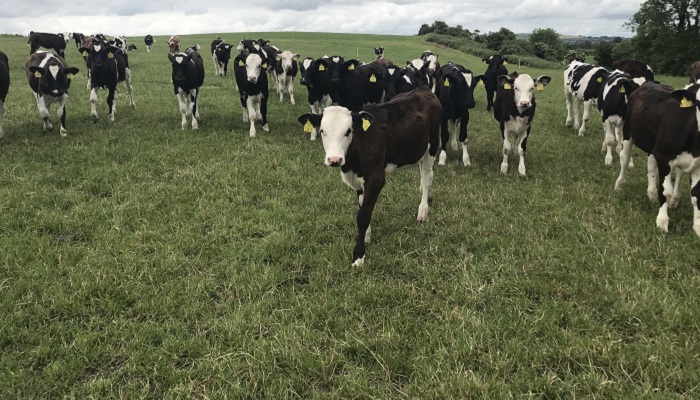
Have you noticed your dairy-beef calves taking a check in performance in the first few weeks after turnout? Here, the Teagasc DairyBeef 500 team share key steps to get the transition to grass right.
The transition from weaning to grass is a crucial step. Get this right and calves will thrive, making the rest of the season more straightforward. Get it wrong and it can quickly turn into a summer of trying to catch up.
In the video below, Tommy Cox, DairyBeef 500 Advisor, provides some advice on the successful transitioning of dairy beef calves to grass:
1). The first 10-14 days
The period immediately after turnout is the highest risk. Calves are adapting to a completely new diet, a new environment and often variable weather conditions.
During this time, even small management issues can lead to a drop in performance. Close attention in the first 10 to 14 days will help avoid setbacks that can be difficult to recover from later in the season.
2). Concentrate feeding
One of the most common mistakes is removing concentrates too quickly. While calves are now grazing, their rumen is still developing and adjusting to a grass-based diet.
To support this transition, continue feeding up to 2kg of concentrates per head per day for at least the first four weeks after turnout. This helps maintain energy intake and continues to promote rumen development.
Depending on grass quality and quantity, weather conditions and if the calves are meeting their weight targets, concentrate feeding may continue at a reduced rate or be removed if all the previous conditions are being met. This will vary from farm to farm.
3). Water and fibre
At all times, calves must have access to fresh, clean water and particularly in dry conditions or where concentrate feeding continues. Calves on concentrates will require at least 20 litres of water daily and more in warm, dry weather.
Fibre remains an essential part of the diet at this stage. Providing access to clean, dry straw will help support rumen function and improve overall digestion. It also helps to settle calves as they adjust to grazing. After a period at grass, straw can be substituted for good quality hay or high dry matter silage.
4). Paddock selection
Grass quality and paddock selection can have a major impact on how calves perform after turnout. Very lush, high-nitrogen swards should be avoided in the initial stages, as they can lead to loose dung and nutritional scours.
Instead, target paddocks with stemmy/fibrous covers and lower nitrogen levels initially. These will provide a more balanced diet and help ease the transition.
Where possible, use paddocks that have not carried young stock in the previous year. This can help reduce the risk of disease and parasite carryover. Once calves are fully transitioned to grass, good quality grass of 1,000 -1,200 kg DM/ha can be provided.
5). Shelter and ground conditions
Weather can quickly undo good management. Cold winds and heavy rain will check calves, particularly those that are younger or lighter.
Aim to turn calves out onto dry, well-drained ground in settled weather conditions. Sheltered paddocks are ideal in the early weeks, helping to reduce stress and maintain performance. Avoid exposed fields until calves are stronger and more accustomed to life at grass.
6). Parasite pressure
Even in the first few weeks after turnout, calves can be exposed to parasites, particularly on previously grazed ground. Stress around weaning and turnout can also increase susceptibility to issues such as coccidiosis.
Work with your vet to put an appropriate dosing plan in place and avoid high-risk paddocks where possible. Prevention at this stage is far more effective than trying to correct a setback later.
7). Grouping and minimising stress
Keeping calves in groups of similar size and weight will reduce bullying and competition, allowing more even thrive across the group. Any additional stress at this stage, whether from mixing groups, poor weather, or inadequate nutrition, can lead to a performance check. Consistency in management is key.
8). Monitor calves closely
Regular observation is essential in the weeks after turnout. Early warning signs such as loose dung, dullness, or reduced grazing activity should not be ignored.
Acting quickly can prevent a small issue from becoming a bigger setback. Calves that go back at this stage can be slow to recover, impacting performance for the rest of the grazing season.
The above article first appeared in Agriland and was adapted for use on Teagasc Daily.
For more from the Teagasc DairyBeef 500 Programme, visit here.