
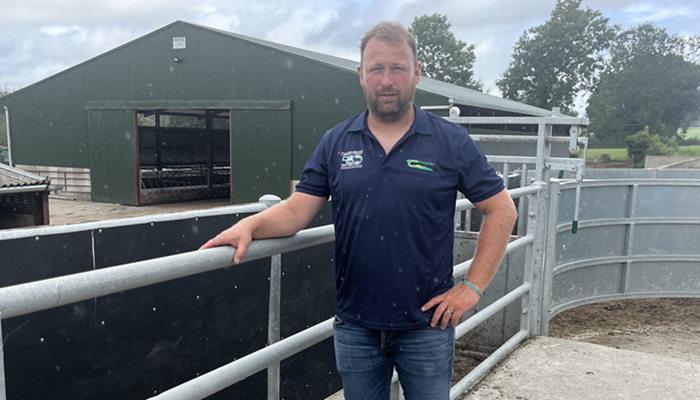
Ahead of a major DairyBeef 500 farm walk next week on the farm of Thomas and Peter O’Hanrahan, DairyBeef 500 Campaign Advisor, Gordon Peppard talks us through how continuous farm development over the last number of years has helped reduce labour, improving both animal performance and farm efficiencies and profitability on the O’Hanrahan farm.
Since joining the Dairy Beef monitor farm programme over six years ago, the O’Hanrahans have focused on continually developing their farm to maximise beef output, with the aim to improve profitability and enhance labour efficiency on their farm.
Grazing infrastructure for dairy beef
Initially, a major emphasis was put on establishing a simple grazing system where animal groups could get in and graze a paddock in a maximum of three days. Permanent fences were incorporated, and some temporary wires were used to ensure correct paddock size and to link to adjoining roadways. There are adequate water troughs to service all paddocks and if paddocks are subdivided.
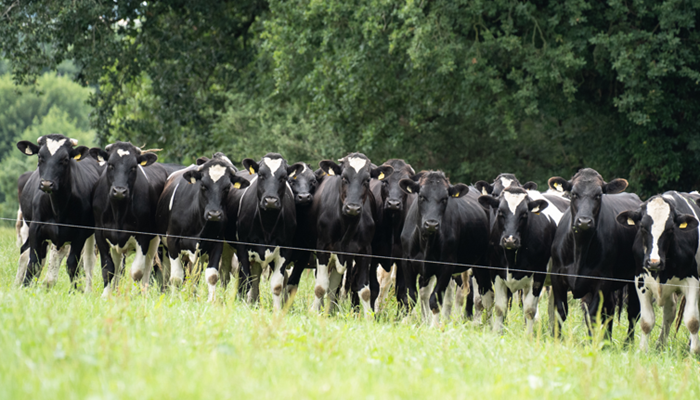
The O’Hanrahans started to measure grass on a regular basis, and this has greatly helped with grass management decisions – ensuring stock are entering the correct grass covers at all times and that there is enough grass ahead.
Building development
There has also been a lot of building development completed on the farm in the last six years.
A purpose-built calf shed was constructed in 2019 to rear 120 calves at a time on an automatic calf feeder stations. This shed has not only reduced labour but has also improved calf performance and enhanced calf health up to weaning.
Due to the increasing numbers of calves being reared and kept to finish, there was a lot more finishing animals requiring winter housing on the farm. In the same year, a double-sided slatted shed was also built to accommodate c.150 finishing steers. This shed has been a life saver in terms of managing finishing animals. There is adequate slurry storage, a large number of finishing animals are all under the one roof and can be fed in a short space of time. As there are feeding troughs at both sides of the shed, animals can be fed concentrates at the same time without the need of a Total Mixed Ration (TMR).
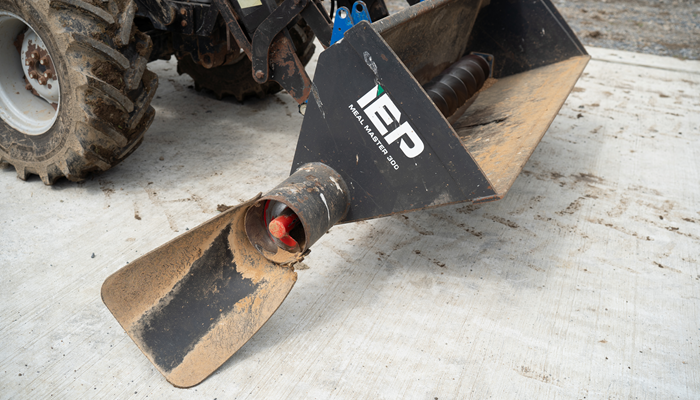
A meal feeding bucket significantly reduces labour input when feeding concentrates to growing and finishing stock
In recent times, a handling unit has been constructed to assist with the handling and management of large groups of stock. This handling unit facilities dosing, castration, weighing, drafting etc. and once cattle are in the yard, they can be managed by one person if required.
Peter O’Hanrahan is on this week’s Beef Edge podcast to discuss his dairy beef system, grassland management on the farm and the upcoming farm walk taking place.
Listen in below:
See the full system in action
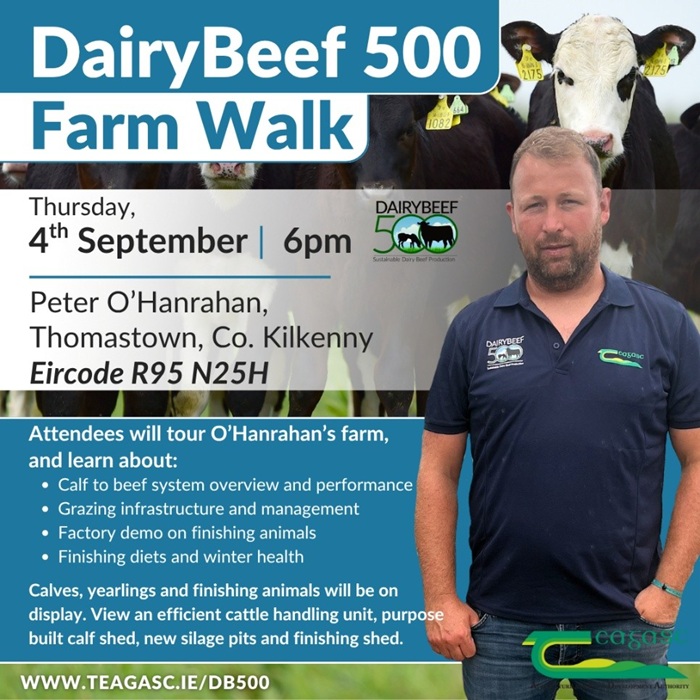
Come join us on Thursday evening, 4th September at 6pm when the O’Hanrahans will host a Teagasc DairyBeef 500 Farm Walk on their farm just outside Thomastown, Co. Kilkenny (Eircode R95 N25H). The event offers a valuable opportunity for anyone involved or interested in dairy calf-to-beef systems to see at firsthand how a simple, well-run farm from calf rearing to beef finishing can be both labour-efficient and profitable.
Find out more about Thomas and Peter O’Hanrahan’s DairyBeef 500 Farm Walk here