
A turn in conditions
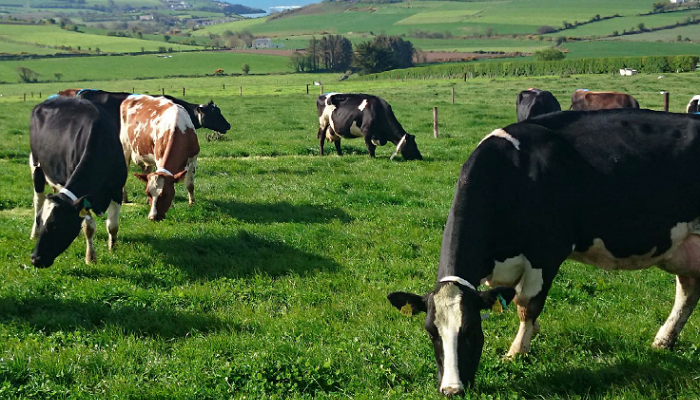
Nikki Kennedy, Teagasc Grass10 Advisor, discusses the challenges brought about by difficult weather conditions and outlines steps to manage grass growth and grazing heading into summer.
For the majority of the country, the first 100 days of the year were extremely challenging. Continued wet weather caused havoc for ground and grazing conditions and has added a lot of work to farmers’ loads with extended winter feeding. The last week, and the forecast going forward, looks to be the change in the tide as the first extended spell of dry weather has arrived, and with it improved grazing conditions. However, this doesn’t magically make everything perfect. There are many challenges that must be approached with proper planning to ensure grazing is optimised for the summer ahead. A lot of grazed swards didn’t get cleaned as well as they should be. Every effort now must be made to enter the right grass so clean-out is made as easy as possible.
May is generally the month when the rate of grass growth reaches its peak for the year, so grass supply can change extremely quickly. How you respond to grass growth is key; you need to be aware of what is happening on your farm in terms of grass growth. In general, the aim is to ensure that from now on paddocks are entered at optimum grass quality to keep grass and animal production high. This is when grass plants are at the 2–3 leaf stage, as a grass plant only has three live leaves. When the fourth leaf starts to appear, the first leaf starts to die and more stem appears, reducing the quality of the grass. It is critical that growth rates and re-growths on farms are monitored so that this stage isn’t missed in paddocks coming back, in an effort to get everything grazed. Action must be taken.
On farms where pasture supply is low, the imminent increase in growth will be very welcome and much easier to manage. Ensure pasture supply (AFC) doesn’t drop below the critical point of 500 kg DM/ha or 160 kg DM/LU; otherwise, growth rates will remain low even when conditions are favourable, as “grass grows grass,” and you will struggle to then hit growth rates that match demand. Keep a level of supplementary feed in the diet to ensure pasture on the farm doesn’t drop below this point until growth rates exceed demand and the extra supplementary feed can be removed.
A lot of farms across the country, both dairy and drystock, are facing a situation where there is excess pasture on the farm due to being unable to graze significantly so far this year. While the improvement in weather is welcome and more stock will be able to be turned out to graze or remain grazing full time, the issue of what to do with all the pasture, especially when growth rates are to increase, is the next challenge. Target reducing AFC to 600–700 kg DM/ha or 180–200 kg DM/LU. A number of approaches can and should be taken. After the extended winter feeding period, a lot of silage stocks will be depleted. Replacing these when conditions allow should be one of the farm’s priorities. However, be cautious about taking too much silage out as bales at once, as these paddocks will all return to the grazing platform at once and the same issue will be faced again. A combination of short- and long-term silage could overcome this issue. Alternatively, grazing some paddocks and then removing them for reseeding will also benefit your farm in terms of increasing overall pasture quality and growing capacity, and it will further stagger when paddocks return to the grazing platform.