
20 July 2024
ACRES assessments: What will advisors be looking for?
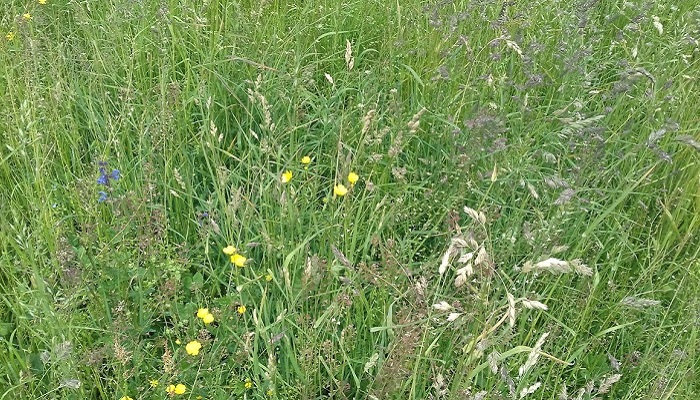
Advisors will visit farmers enrolled in ACRES General or ACRES Co-operation (CP) between now and August 31 to score land parcels which have been allocated as grassland, peatland or scrub/woodland, Eamonn Dempsey, Drystock Advisor in Tralee, shares the ins and outs of this assessment.
If there are changes with rented/leased land or management practices, it is important to discuss such changes with your advisor so decisions can be made regarding scoring or non-productive investments.
If there are no changes, the advisor will score all the fields listed in the AgriSnap app using scorecards identified by the CP team or ACRES planner. For the majority of farmers, the main scorecard is the grassland scorecard.
During the ‘W’ walk of the field, the advisor will identify and tick off positive indicator species present in the field. As not all positive indicators will be in flower at the same time, the advisor will look for plant leaves as well as flowers during assessment.
Positive indicators may not be evenly distributed throughout the field. Some will occur as a few throughout, others are naturally found in clumps or tussocks, while others may occur with sparse distribution (e.g. Orchids).
Grazing management and negative indicators
Along with the timing of the assessment, grazing management will also be important to support a good cover of positive indicators. Fields with a high occurrence of negative indicators / weeds, e.g. nettle, thistle, docks, ragwort, can pose a threat to semi-natural habitats. If negative indicators have been managed prior to the field being scored, they will be ticked for being present but not included in overall assessment of cover of negative indicators.
In cases where two or more fields have been merged into the one scorecard, e.g. grazing ground and silage ground, then the dominant management type of the area is scored.
Sward structure
Sward structure is an important contributor to biodiversity and refers to vegetation height. Optimally, the field will have a mix of short, medium and tall vegetation throughout. Grazing is the best way to maintain an open structure in a rush sward.
Low Input Grassland selected in the ACRES General stream cannot be cut for hay or silage until July 1 each year. Hay/silage fields cut as late as possible ensures tall vegetation and to allow grasses and other flowering plants to go to seed. Aim to score LIG Fields in advance of cutting.
Field boundaries
Field boundaries are also assessed, as they provide habitats for insects, small mammals, birds and plant species. The overall field boundary condition is decided based on the condition of the worst 30 metres of field boundary. Threats and pressures include scrub, bracken, invasive species, bare soil, erosion and artificial drainage – their presence is negatively marked.
Damaging activities such as quarrying, dumping, supplementary feeding, burning, herbicides and damage to watercourses is also negatively marked. The level of risk to water quality due to pressures relating to flow, sediment, nutrients and other pollutants is also assessed.
Submitting results
Once the assessment is completed the advisor submits the scorecard on the AgriSnap app. The resulting score is then used by the Department of Agriculture, Food and the Marine to calculate ACRES payments. The assessment report is useful for consultations with the CP team on specific issues e.g. Non-Native Invasive Species Management and selection of Non-Productive Investments.
This article by Eamonn Dempsey was first published in the Kerryman