
All you need to know about rearing calves this spring
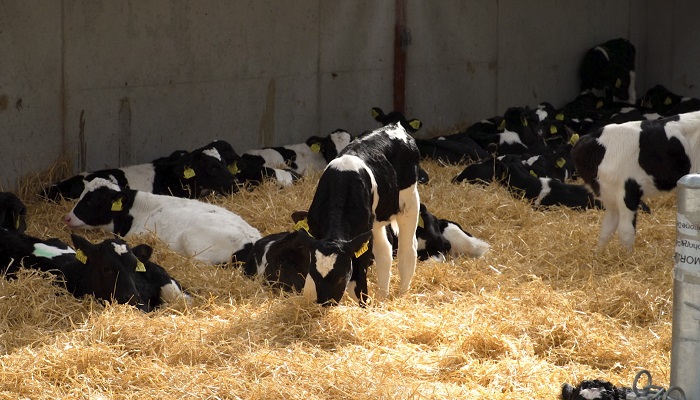
In a recent RTÉ Brainstorm article, Catherine Egan, Teagasc Beef Specialist, highlighted recent episodes of the Beef Edge podcast that provided practical advice on managing dairy beef calves.
Building a profitable system
A profitable system is less about scale and more about performance. Key factors include good grass growth, high-quality silage, good animal health planning and steady weight gain. The animal’s genetics and the age at which it is finished also significantly affect farm income.
On this episode, DairyBeef 500 Manager, Alan Dillon, discussed the key performance indicators of a sustainable, profitable dairy beef system and discussed variable and fixed costs on farm and the impact calf price can have.
Purchase the right calf
The calf’s health at purchase is crucial. Signs of illness, poor transport conditions or overcrowding can affect performance for months afterwards. Warm, dry housing and consistent feeding routines dramatically reduce disease risk. Teagasc Beef Specialist, David Argue, discussed what to be aware of when sourcing calves on this episode, and the essential things to get right during the rearing process.
It is essential that the calf has a well-developed rumen and maximises early life performance to ensure good thrive going forward. David highlighted that developing a farm-specific health plan with a vet is key to ensure issues from previous years are resolved and overcome.
Prevent illness
Common calf diseases like pneumonia and diarrhoea often arise in cold, damp spring weather. Planning vaccination and health protocols with a vet before calves arrive is far more effective than treating outbreaks later.
Vet Tommy Heffernan discussed the key areas to ensure a healthy calf and on this episode. Tommy outlined ways to manage pneumonia and scour outbreaks in calves, plus he highlighted the best procedure for calf arrival on farm.
Consistent feeding
Young calves rely on milk replacer before their stomach fully develops. The exact mix, temperature and timing of feeding influence growth, digestion and long-term performance. Inconsistent feeding is one of the most common causes of setbacks.
On this episode Liam Gannon, Volac Milk Replacers – Feed for Growth, explaind the ingredients to focus on when selecting a milk replacer and the benefits of feeding a high-quality milk replacer in terms of nutrition and calf performance. Liam shared a recommended feeding program for spring-born calves. He also outlined common digestive issues when feeding milk replacer, and how farmers can prevent them.
This article was first published on RTÉ Brainstorm.