
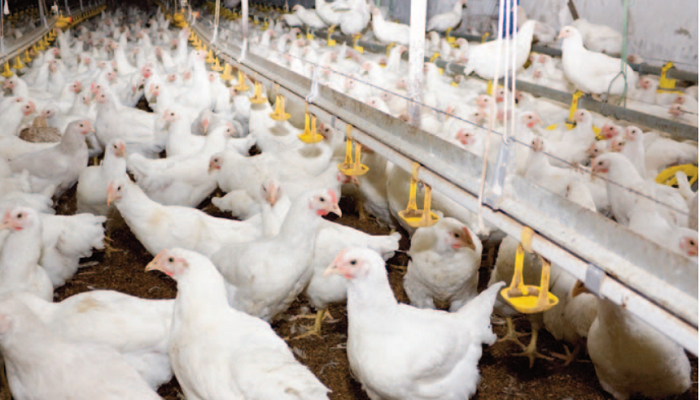
Antimicrobial resistance (AMR) is global threat to human, animal and plant health, as well as to food security and the economic wellbeing of the agricultural community. In this article, Addiena Luke-Currier, PhD Student in the Sociology Department in Trinity, aims to outline exactly what this problem is, why it is important for poultry farmers and what can be done about it.
What is AMR?
AMR is the ability of microorganisms which can cause disease, such as bacteria, fungi, protozoa and viruses, to resist antimicrobial treatments (such as antibiotics). This means that treatments are less effective and may no longer work, increasing the risk for severe illnesses, disease spread, and death in both animals and humans. Antimicrobials are a precious resource and unfortunately, it is unlikely any new antimicrobials will be developed and made available in the near future.
Resistant microorganisms, such as bacteria, can spread across humans, animals and the environment. Resistant bacteria can spread from animals to the environment via manure spread on fields. This can further contaminate crops, which in addition to the consumption of animal products and direct contact, can be a source of AMR for humans.
Every time that antimicrobials are used (in humans, animals, or plants), there is a chance for microorganisms to become resistant. While this is the case, it is possible to reduce the threat of AMR. Everyone has a role to play and can make a difference!
Why does it matter?
The World Health Organisation (WHO) reports that resistant bacteria were the direct cause of 1.27 million human deaths in 2019. AMR also makes it so that modern medical procedures, such as surgery, are more risky, as possible infections are harder to treat. It is estimated that by 2050, ten million people could die each year from AMR infections, which would be more than the deaths due to cancer.
Beyond the human impact of AMR, AMR is also an issue for agriculture and can lead to more severe disease or death of animals and costs for farmers in terms of losses, labour costs, veterinary bills, and costly antimicrobials.
What is the situation in Ireland?
The poultry industry has made great progress in the last ten years in reducing antimicrobial use and addressing AMR, though there are still improvements which can be made. The broiler industry had large reductions in antimicrobial use from 2015 to 2022. Key indicators of antimicrobial resistance in broilers also fell during the same period.
While this is a great achievement, recent data from 2022 found that there was a significant increase in Campylobacter jejuni isolates from broilers which were resistant to the antibiotic tetracycline. This is of particular concern for humans, as Campylobacter is a key food-borne pathogen, and resistant strains might be more difficult to treat.
What can poultry farmers do to address the threat of AMR?
We can slow the threat of AMR by keeping animals healthy and by engaging in prudent antimicrobial use. Improving animal health reduces the need for the use of antimicrobials on the farm and can help to maximise productivity. This can be done by engaging in and strengthening activities which are already common practice on many farms, such as developing flock health plans, ensuring good biosecurity and animal husbandry practices, and more.
Prudent antimicrobial use involves only using antimicrobials following veterinary advice and always using antimicrobials as prescribed. Misuse of antimicrobials should be avoided and includes practices such as:
- Overusing antimicrobials or using them in an untargeted manner
- Using antimicrobials to treat diseases not caused by the targeted pathogen (e.g. using antibiotics on diseases which are not caused by bacteria)
- Underdosing animals with antimicrobials (including not finishing the treatment course)
- Improper storage and disposal of antimicrobials
The 6 Rights of Antimicrobial Use can help to guide prudent use:
- Right Veterinary Diagnosis
- Right Animal(s)
- Right Antibiotic
- Right Dose
- Right Duration
- Right Storage and Disposal
Many resources are available to support farmers in the effort to reduce antimicrobial use and resistance. The Code of Good Practice on responsible antimicrobial use on poultry farms by the IFA and Veterinary Ireland provides advice on how farmers can accomplish this and can be accessed here. Further resources are provided below.
What more can be done?
TCD’s RESIST AMR research team is seeking broiler farmers’ views on animal health and antibiotic use in an effort to develop policy and practice options which are informed by farmers’ experiences. If you are interested in participating, please visit this link to provide your contact details. You can also contact the lead researcher, Addiena Luke-Currier, at lukecura@tcd.ie or 089 268 3087.
References and Further Resources:
AMR:
What is it? | Antimicrobial Resistance | Food and Agriculture Organization of the United Nations
What is AMR – Teagasc | Agriculture and Food Development Authority
WHO – Antimicrobial Resistance Fact Sheet
Responsible Use of Antimicrobials:
IFA and Veterinary Ireland Code of Good Practice Regarding Antimicrobial Use in Poultry
FAO Guide on Effective and Responsible Use of Antibiotics in Poultry
National AMR Plans and Reports:
Ireland’s Second One Health National Action Plan on Antimicrobial Resistance 2021-2025 (iNAP2)