
17 October 2024
Autumn weed control
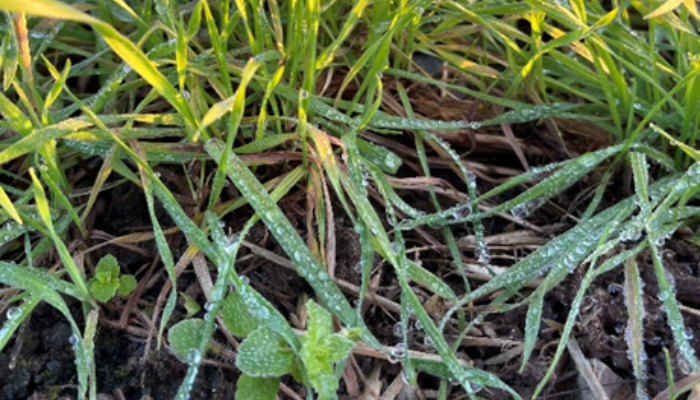
Pre-emergence herbicides are key for controlling weeds, with the right mix needed for each field’s specific challenges. Shay Phelan, Teagasc Tillage Specialist, tells us more.
Pre-emergence herbicides have been shown to be more effective in controlling many problem grass weeds, such as bromes, blackgrass and annual meadow grass. There are plenty of options, so pick a mix that will control the main weeds in each field.
It is unlikely that the same mix will cover all weeds in all fields, so knowledge of the predominant weeds is vital for pre- emergence herbicides to work efficiently. If in doubt, ask your Teagasc advisor about what weeds the different herbicides give best control of and base your programme off this.
Control options
Products such as pendimethalin (various), prosulfocarb (Defy/Roxy), and flufenacet (Firebird/Navigate, etc.) give best results when applied early, especially where annual meadow grass is a problem, while chlorotoluron (Tower) can be used early post emergence. Add in diflufenican (Stride/Diflanil, etc.) to improve the control of charlock, chickweed and speedwells. Firebird Met will help to control groundsel, as well as many other broadleaf and grass weeds.
There have been new reports of blackgrass. Many of these fields will have break crops, but some will be drilled with wheat or barley. Avadex Factor (tri-allate) will improve control of blackgrass and Italian ryegrass as part of a strategy with flufenacet. Do not use it alone – it will require a follow-up, possibly of flufenacet or in wheat, Pacific Plus or Monolith (provided that it is not resistant).
Zypar will improve control of fumitory, poppy and volunteer beans. Many of the active ingredients will appear in mixes, so choose products that will control as many of your weeds as possible. Target the most problematic weeds first and the less important ones can be tidied up later.
Winter oilseed rape
Given the delayed harvest, chances to drill oilseed rape were more limited this year. Slug damage doesn’t seem to be much of an issue, but be alert, especially if you drilled in September. If there are any signs of grazing, apply slug pellets as soon as possible.
Volunteer cereals and some grass weeds seem to be growing well and are competing with some crops. If they haven’t already been treated, any of the approved graminicides, e.g., Falcon, Fusilade Max, can be applied now at three-quarters to a full rate, depending on the weed issue.
Fungicide
Phoma will be the main target of autumn fungicide applications; however, varieties differ in their susceptibility, so follow the threshold guidelines for control (10% of plants affected).
Don’t forget that this fungicide timing needs to effective against phoma and light leaf spot (LLS). The choice of fungicide will often come down to whether or not the crop needs a growth regulator effect or not. Backward or thin crops will not need a growth regulator, so an application of a half-rate prothioconazole (Proline) should be adequate.
In early-sown crops where a regulator is probably needed, options include metconazole-based products (Sirena, Plexeo) or tebuconazole-based products (Prosaro, Jade, Pontoon, Protendo), again at half the recommended rates.
Read the Teagasc Tillage Newsletter