
Avoid mediocre cattle performance this winter – test your silage
With the winter housing period commencing, farmers have been encouraged to avoid mediocre cattle performance this winter.
Sharing winter nutrition tips on a recent episode of the Beef Edge podcast, Ruminant Nutritionist at Teagasc, Aisling Claffey said: “Silage testing is the only timely option to give us that information”, when asked how farmers can know if their silage will meet the nutritional requirements of cattle this winter.
“Otherwise, we are looking at animal performance and hindsight. In that case, we could have lost a lot of valuable time and maybe have a mediocre performance in the absence of that information to work with,” she explained.
Joining podcast host Catherine Egan, Aisling Claffey encouraged farmers to complete a silage analysis as early as possible to formulate winter diets for various classes of stock.
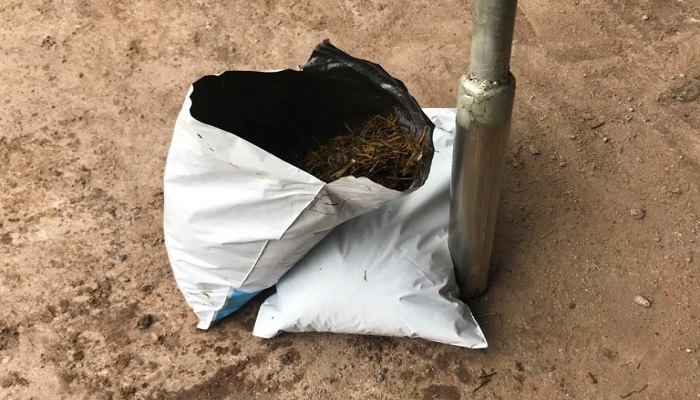
Tips were also offered on how to take silage samples, with Aisling Claffey advising those with silage pits to take representative samples in a W pattern across the pit face. Samples from a fresh pit face, within the clamp, should be prioritised. In the case of bales, samples should be taken from individual batches of silage, whether first, second or surplus bales.
Discussing the benefits that silage testing can bring, Aisling Claffey said it provides information on forage quality, energy density, protein content and the palatability of silage.
“The key is forage quality. That is what is going to underpin the diet, and it is what gives us the balance between our feed costs, the amount of supplement we are going to use over the winter and meeting the targeted level of animal performance,” Aisling Claffey said.
In terms of quality, dry matter digestibility (DMD) values of 70-75 are desired for high-quality silage, and crude protein values of a minimum of 12-14%
“Ideally, we are looking at 70-75 DMD for that high-quality silage. If you have some suckler cows in the system, you might be happy to have some 66-68 DMD silage for in advance of calving.
“In general, for most other stock, we want to have 70 DMD silage ideally, and protein values in the minimum of 12-14%. Where it is going below that 12% crude protein, we are probably looking at factoring that into our meal feeding then as well,” she said.
For more information, listen to the full episode of the Beef Edge podcast ‘Getting Winter Ready: Winter Nutrition’ below: