
Be proactive – complete a feed budget
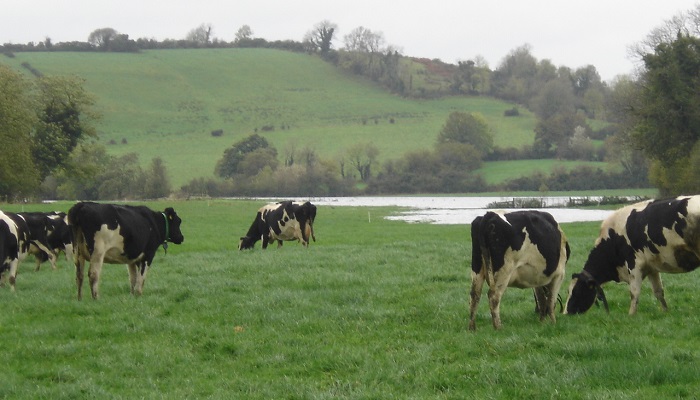
Each week, the Teagasc Grass10 team shares key grassland management tips; this week’s focus centres on feed budgeting, on-off grazing and managing through challenging grazing conditions.
Published as part of its weekly enewsletter, the Grass10 team has encouraged farmers to be proactive and identify what feed is available on the farm and what are the livestock demands.
- Decisions cannot be made if you are not informed
- Do an opening farm cover, grass budget and fodder available budget to establish the farms position
- Good quality silage should be allocated to priority animals
In situations where the feed demand on the grass budget does not match the fodder available and fodder deficits have been identified, farmers are encouraged to:
- Strive to get grass into cows – earmark paddocks for reseeding that could be used for on/off grazing (see feature farmer)
- Any surplus animals should be removed – 1 LU eats 1.5 bales per month
- Try to source extra fodder to create a buffer
- Fertiliser needs to be ready in the yard for when the conditions do improve
- Target 30 units protected urea/acre
On/off grazing
With challenging grazing conditions set to continue, the Teagasc Grass10 team encourages farmers to aim for a short bout of grazing every day if possible. High intakes of grass can be achieved in a short period (2-3 hour allocations). This will get grass growing for the second rotation and will help alleviate the pressure on feed supply.
According to the Grass10 team, on/off grazing is the most important tool available to farmers when conditions are challenging, as it allows farmers to get some level of grass in cows’ diet, gives a respite to farmers to clean out sheds and improves hygiene in milking cows.
- High intakes of grass can be achieved in a short period (2-3 hour allocations)
- It is especially important to on/off graze where:
- If there is a low level of fodder available (do a budget!!)
- Calved cows in January
- Have a high feed demand
- Walking the farm will help identify opportunities to graze
- Pick paddocks that have
- Multiple access points
- Better underfoot conditions
- Having paddocks selected will help to get out grazing when the weather presents a window
- Earmark paddocks for reseeding and allocate them to get cows out
- Utilise spur roadways!
Read more from this week’s Grass10 newsletter and subscribe for weekly updates here.
Grass10 weekly update
For this week’s Grass10 grazing management update, John Maher discusses being proactive and identifying what feed is available on the farm, dealing with the challenging conditions and why on/off grazing is the most important tool available to farmers at the present time.
Listen in below: